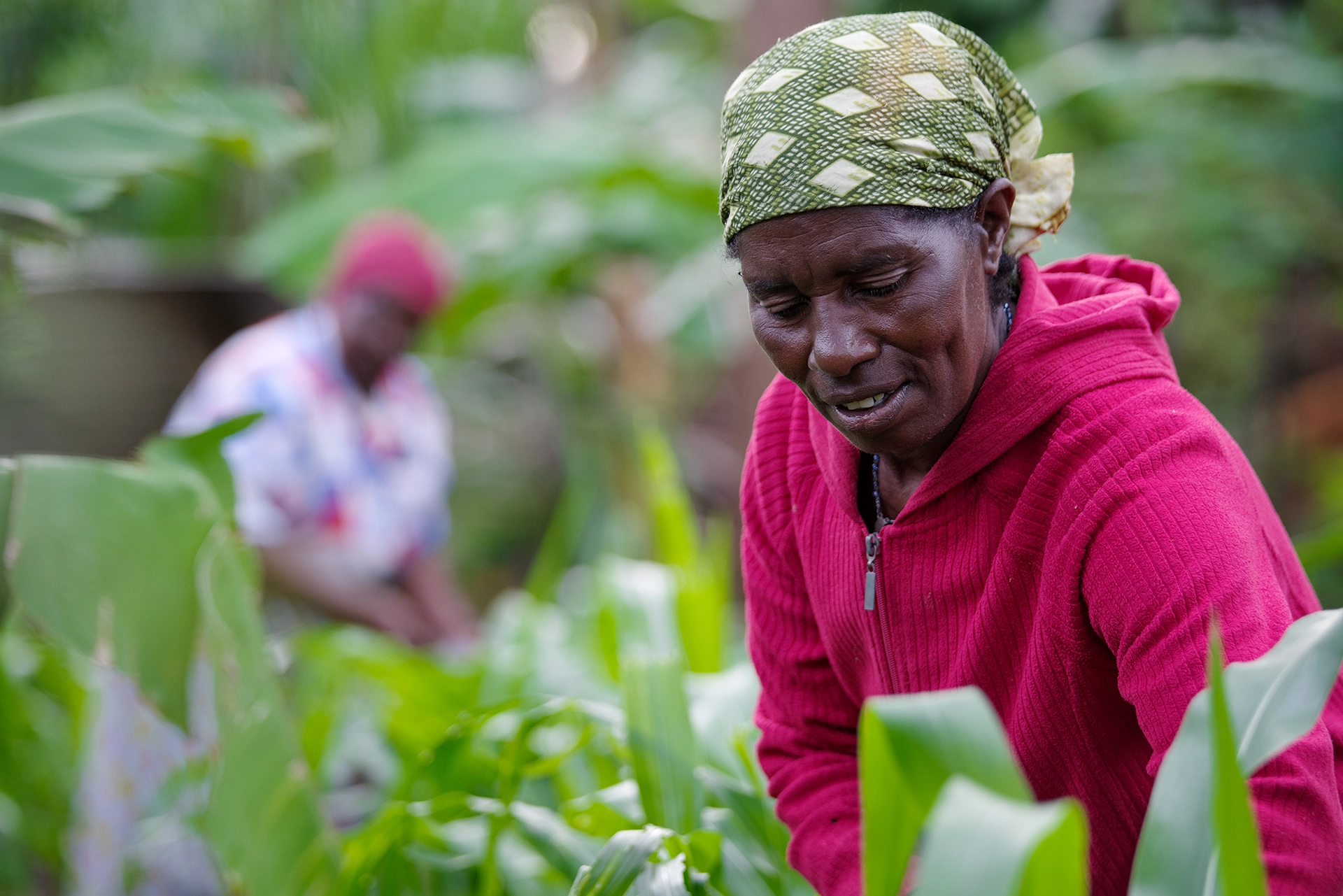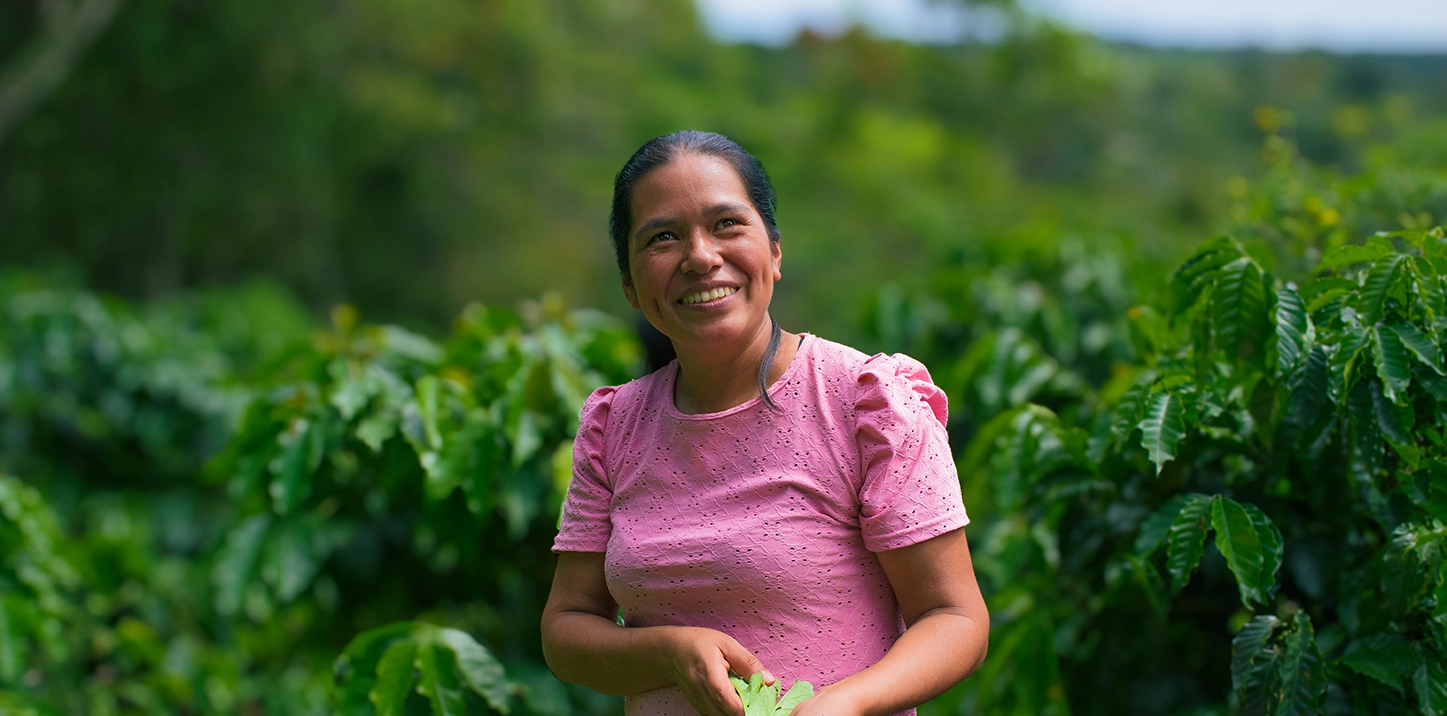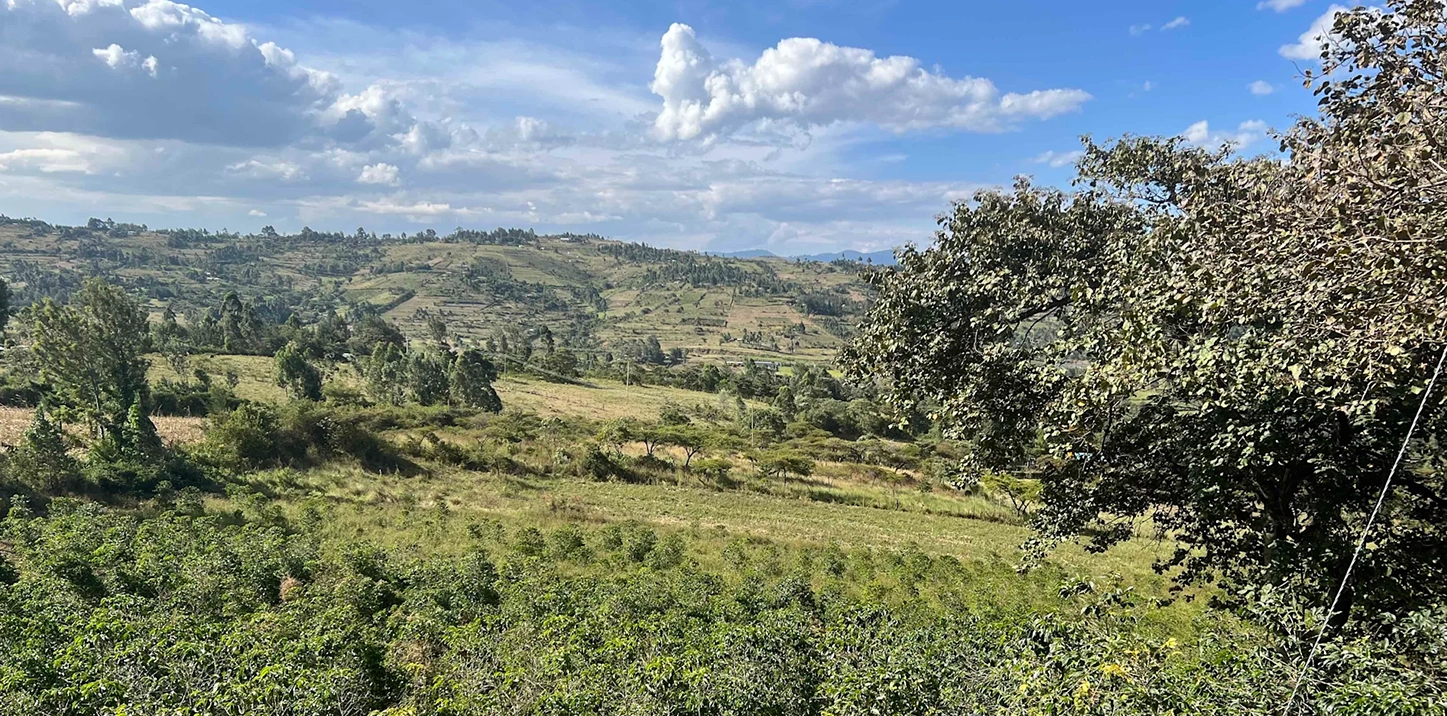

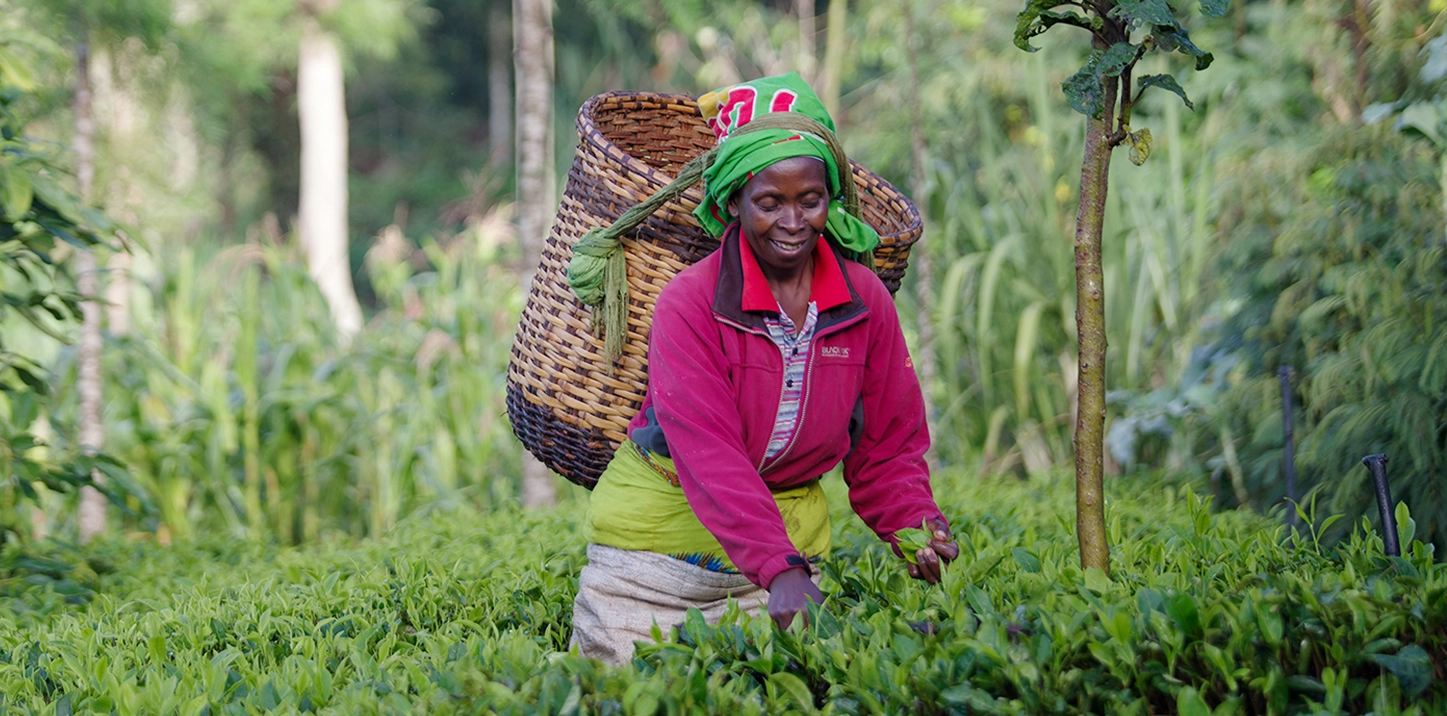
This Plan Vivo-certified Acorn project, run by our partner Trees for Kenya, supports over 31,800 smallholder coffee farmers in Embu, Kiambu, Kirinyaga and Tharaki Nithi Counties.
Most of the smallholder farmers in these regions live on less than $2 a day, with the level of poverty being more than 75% in the project area. They rely purely on cash crops and food crops grown from their farms, while the prices of cash crops are currently very low and the cost of inputs is rising. Because of this, farmers are unable to take care of their basic needs, such as health, food, education, and so on. The population in the project area is growing rapidly, especially due to its proximity to Nairobi, leading to a lack of resources in the community – including food insecurity. Another growing challenge farmers face is the loss of topsoil and fertile land due to the increasing impacts of climate change.
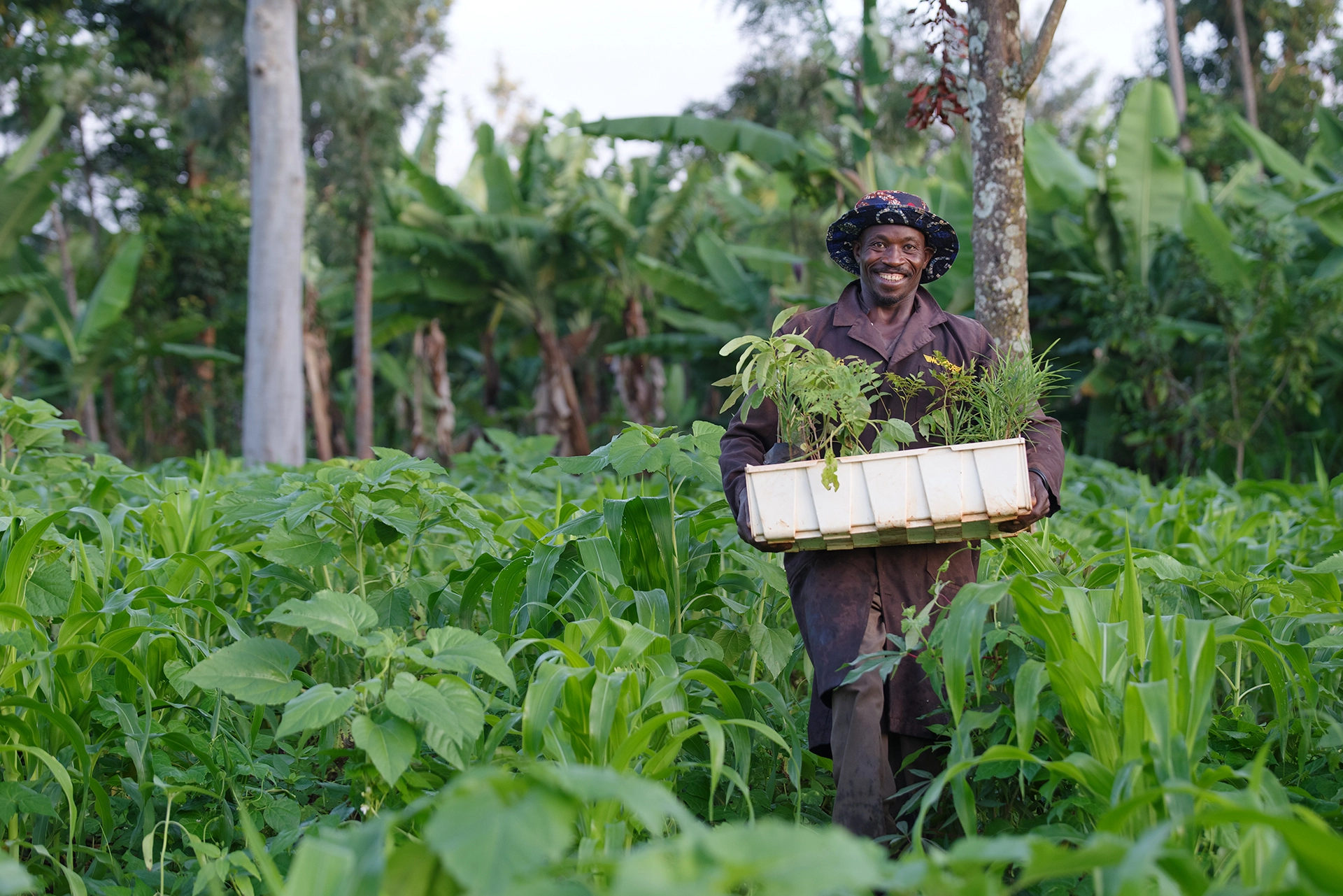
Trees for Kenya is a non-governmental organization registered in Kenya since 2012. They have been working in Kenya for more than 9 years implementing different environmental projects aimed at conserving the environment through restoration of degraded forests lands, agroforestry and greening school programmes.
Trees for Kenya aim to ensure the success of this project at a large scale, expanding to include all the smallholder farmers in their network and more, sharing the success of those who began planting trees in the initial years as a positive example. Their aim for this project is to improve the livelihoods of smallholder farmers and their communities through income diversification, enhancing soil health, increasing access to affordable inputs, reduce massive soil erosions on farms, and improving farmer nutritional intake and biodiversity.
Trees for Kenya strictly follow the Anti-Corruption and Economic Crimes Act (2003), and the Constitution of Kenya (2010) in terms of child labor and violence, equal treatment of men and women, and non-discrimination of any person. With regard to empowering disadvantaged groups, Trees for Kenya offers employment to women and youths. Examples of this is Trees for Kenya having hired women for the positions of field technicians and lead farmers. Women are also involved in the project by establishing nurseries to supply quality seedlings and training farmers.
Agroforestry and the additional income of carbon credits with the Acorn project can enable farmers to improve their crop yields, grow tree produce to sell, and diversify their income and access to inputs, medicine, and education. The local ecosystem is also set to benefit, as a diverse mix of trees will be planted as part of this project which increases plant biodiversity on farms and habitats for native birds to seek shelter in. The increased shade from these agroforestry systems will also offer refuge against the harsh heat and UV exposure.
To ensure inclusive participation, Trees for Kenya has put in place a mechanism to make sure each and every farmer is eligible to participate in the project regardless of their social status, income, ethnicity and religion. Farmers that belong to vulnerable groups that have been identified in the during a stakeholder analysis and will be nominated as leaders of farmer groups and elected by the farmers themselves. This ensures farmers can air their views and barriers faced in regards to participation over the life of the project.
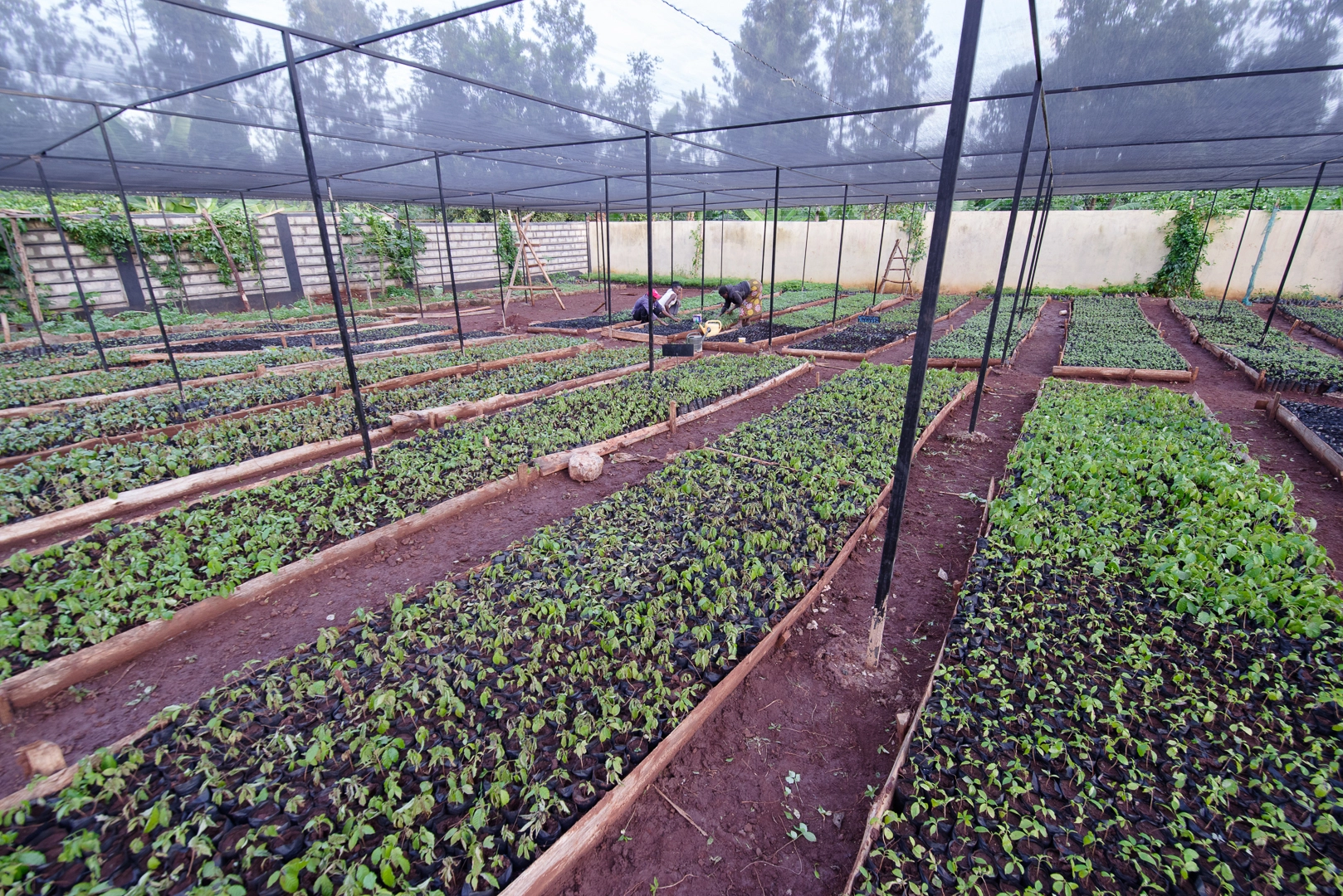
The project has already undertaken the following activities:
Click the links below to download the project's certification documents.