La Laja México
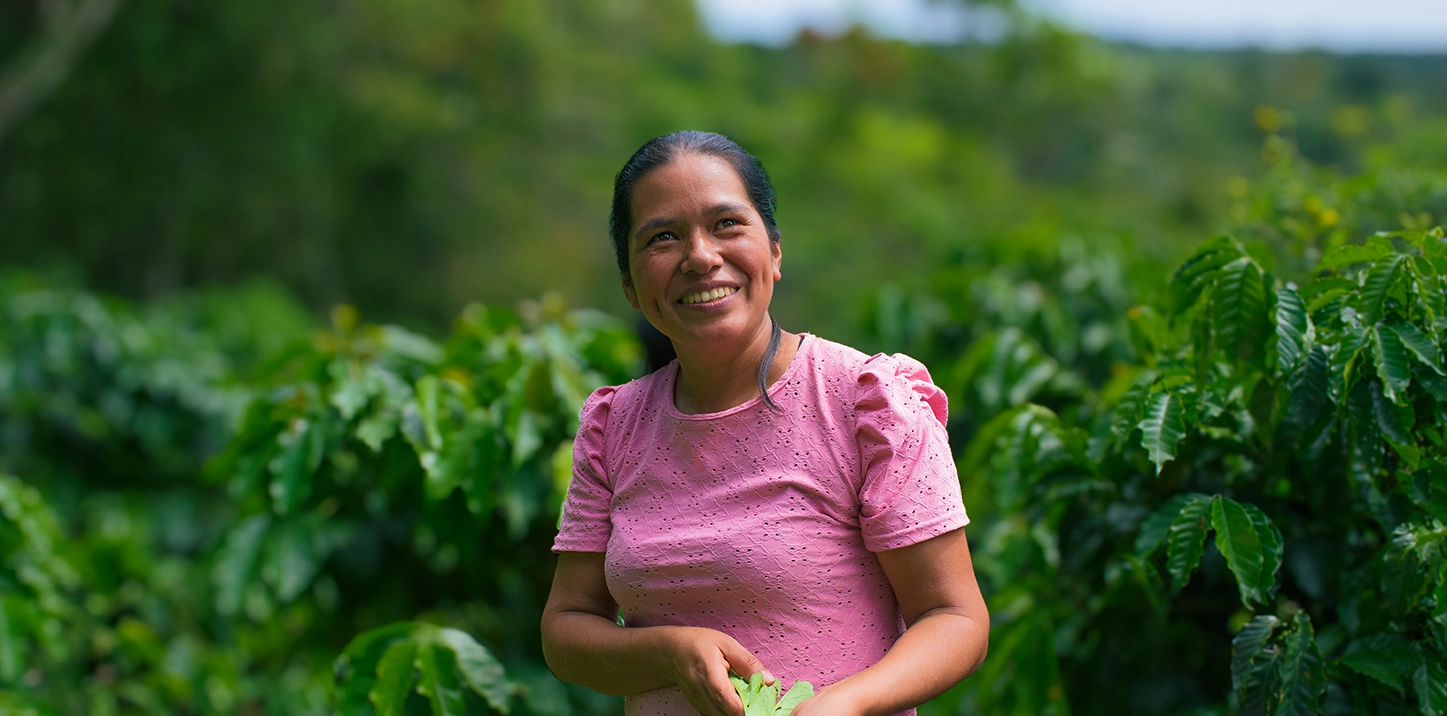
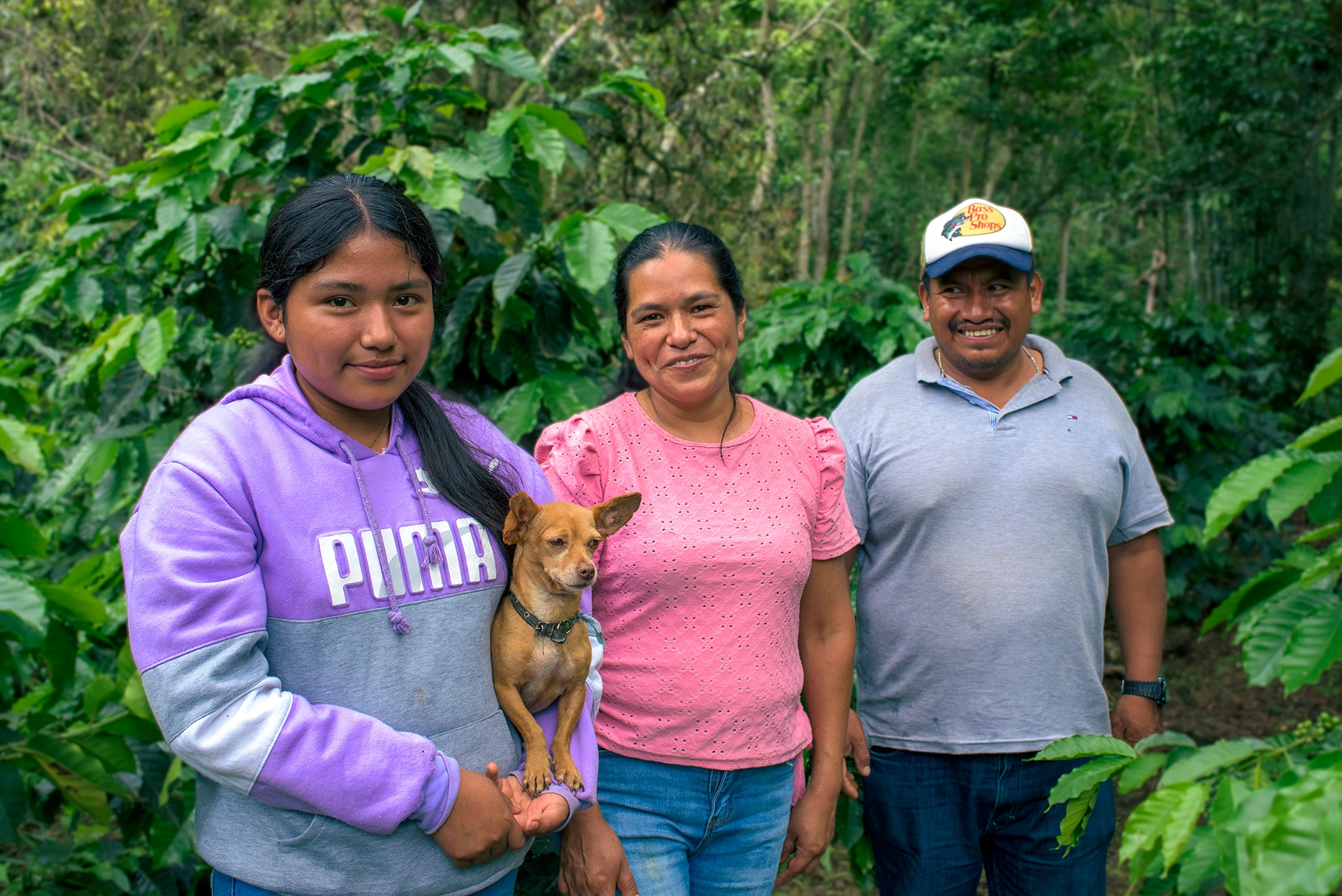
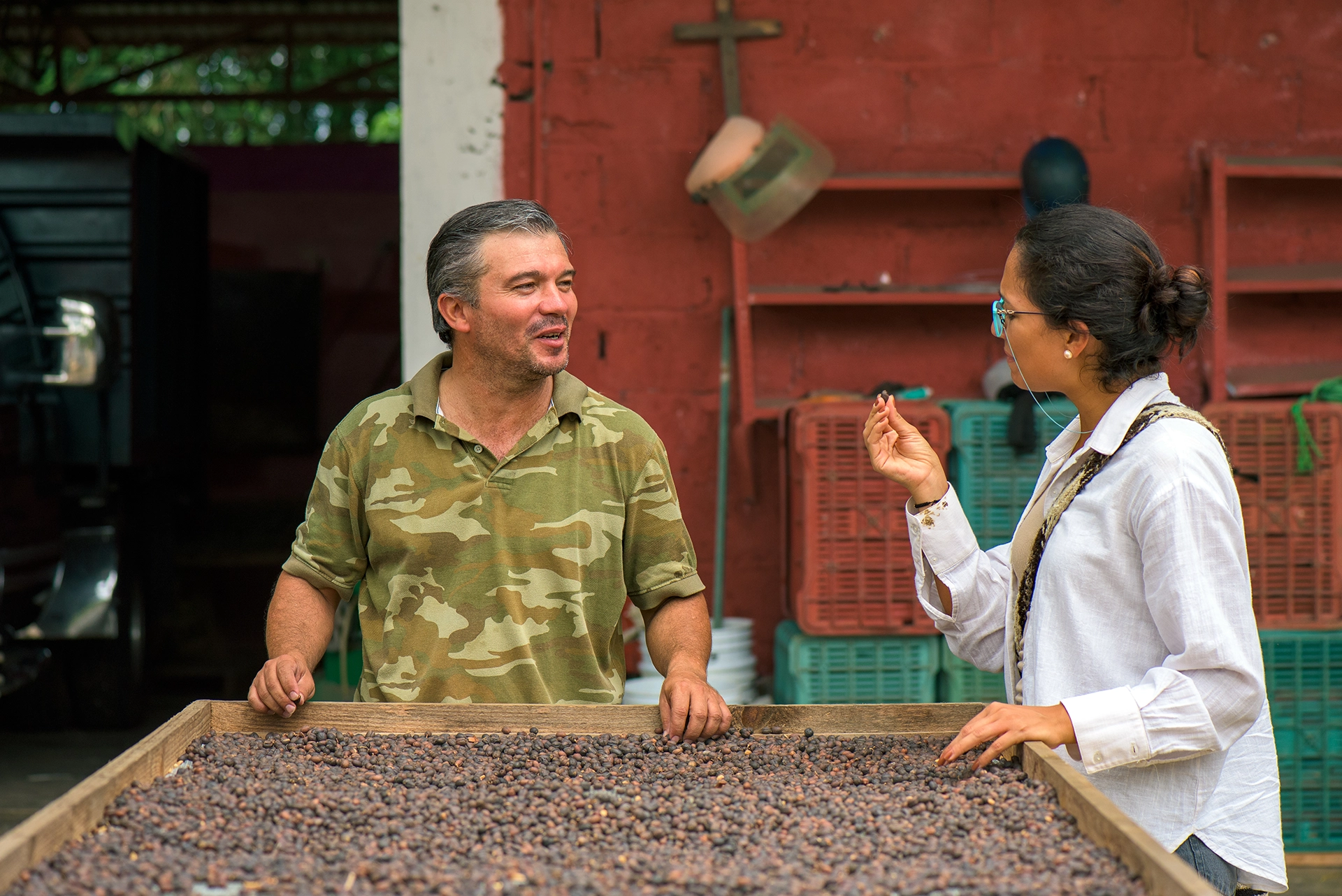
In México, we are partnering with La Laja to support over 4,000 smallholder coffee farmers in Huatusco to transform their farms into more sustainable agroforestry systems.
- Latin America
- Acorn Methodology 1.0
- Validated project
Project Results

4,214
Farmers supported

7,672
CRUs issued

11,137
Hectares covered
Why this project matters
Smallholder farmers in Huatusco, Veracruz rely heavily on coffee cultivation on small plots, leaving households exposed to volatile yields and limited income opportunities. Structural challenges compound this vulnerability: declining coffee prices, an aging farmer population, and the migration of younger generations in search of more stable livelihoods are reducing the resilience of rural communities. Climate pressures only intensify these risks, placing both production systems and farmer incomes under further strain.
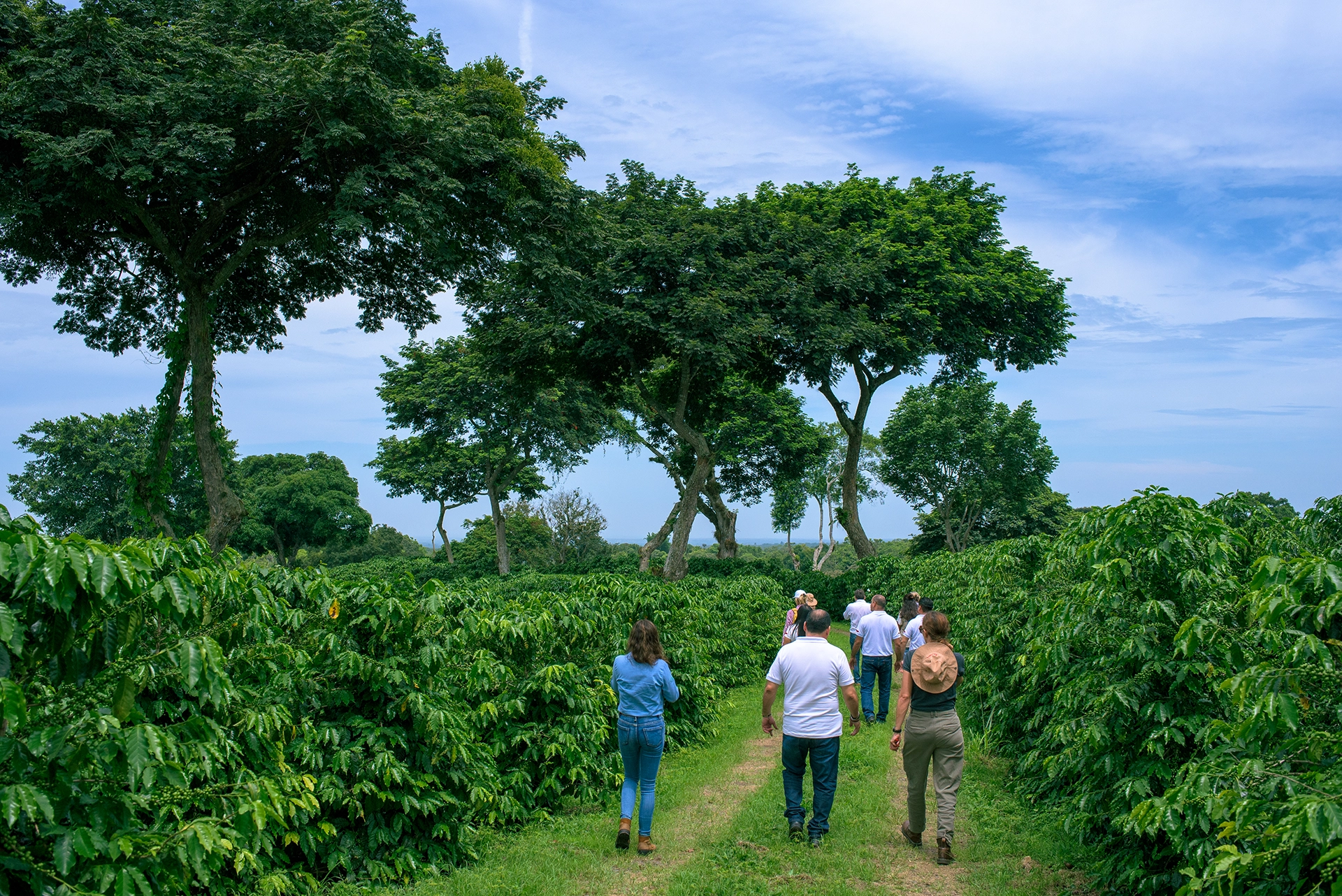
Our partnership with La Laja aims to support smallholder coffee farmers to improve existing agroforestry systems to restore soil health, stabilize yields and diversify their income streams. By integrating trees into coffee landscapes, these systems improve farm resilience to climate variability while enhancing biodiversity in Veracruz’s fragile cloud forest ecosystems.
Project impact
The project has already undertaken the following activities:
A selection of the trees (according to traditional knowledge and farmer desires)
Community meetings with local partner and farmers regarding the Acorn project
Established nurseries with the support of Instituto Tecnológico Superior de Huatusco
SDGs
The project contributes to the following SDGs:








Buy credits from this project
Offset your carbon emissions and join our impact today.
Page last updated September 17, 2026