Kaderes Tanzania
In Tanzania, we are partnering with Kaderes Peasant Development Public Limited Company (KPD PLc) to support smallholder coffee farmers in the adoption of agroforestry systems.
- Africa
- Acorn Methodology 1.0
- Validation Ongoing
Project Results

144.498
Farmers supported
58.417
CRUs issued
109.614
Hectares covered
Why this project matters
In northwestern Tanzania, smallholder coffee farmers rely on small, low-productivity plots with limited access to finance, leaving households highly exposed to income volatility and climate shocks. Across Kagera region, livelihoods are constrained by soil degradation, declining yields, and limited economic opportunities—factors that contribute to persistent poverty and drive younger generations to seek income elsewhere. Agroforestry is increasingly recognized as a pathway to address these challenges, improving soil fertility, moisture retention, and farm resilience while reducing pressure on natural ecosystems.
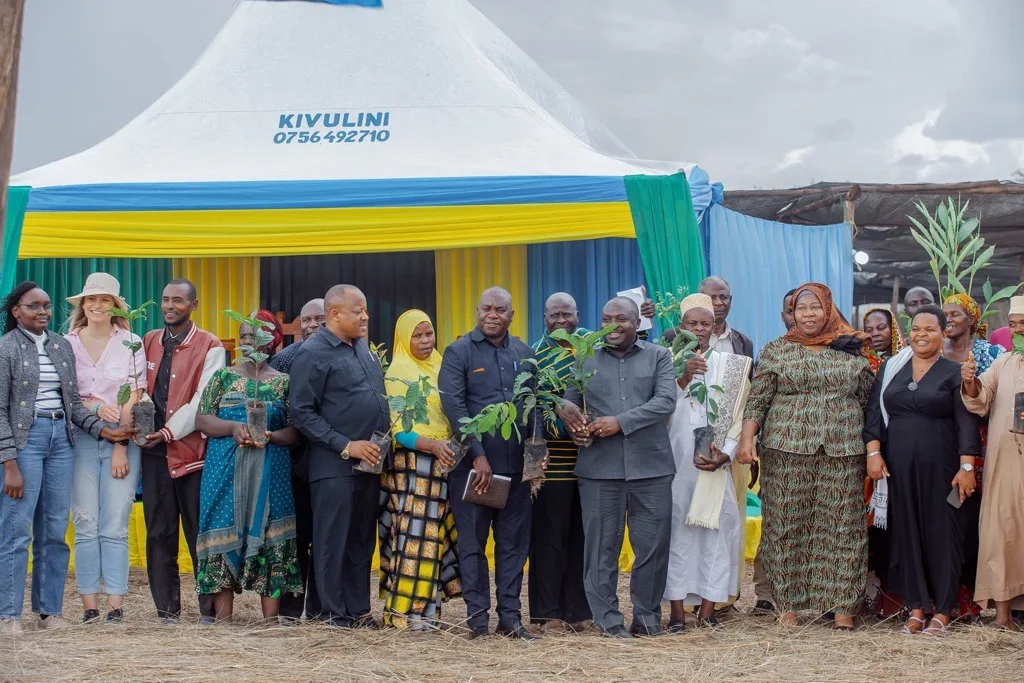
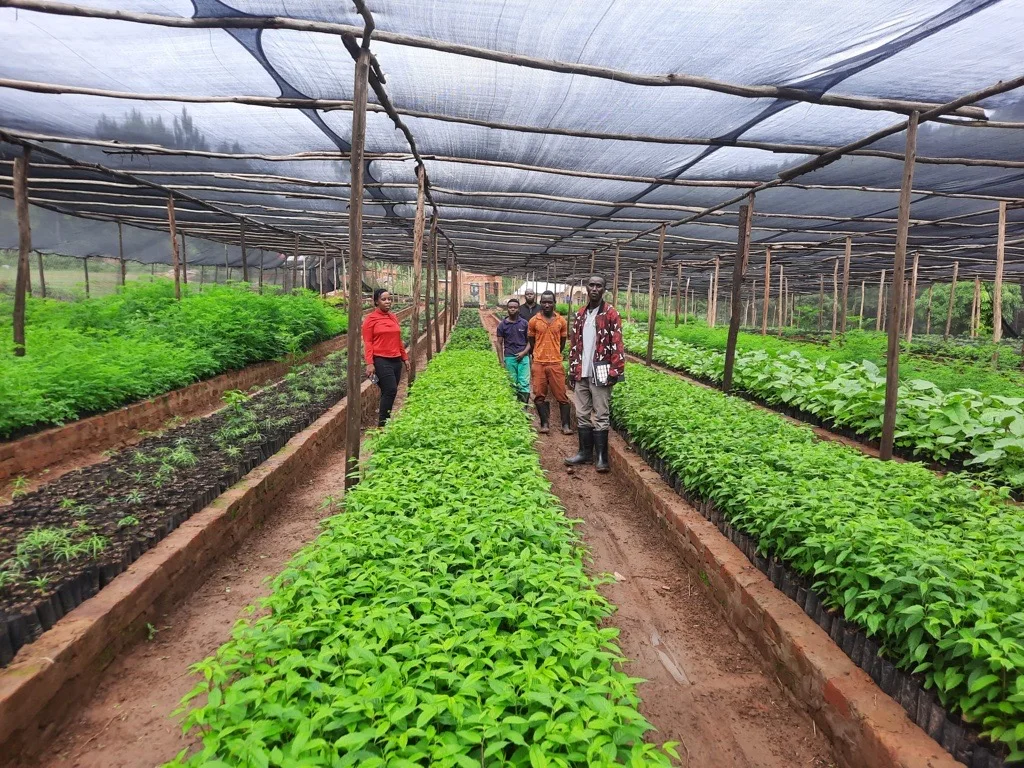
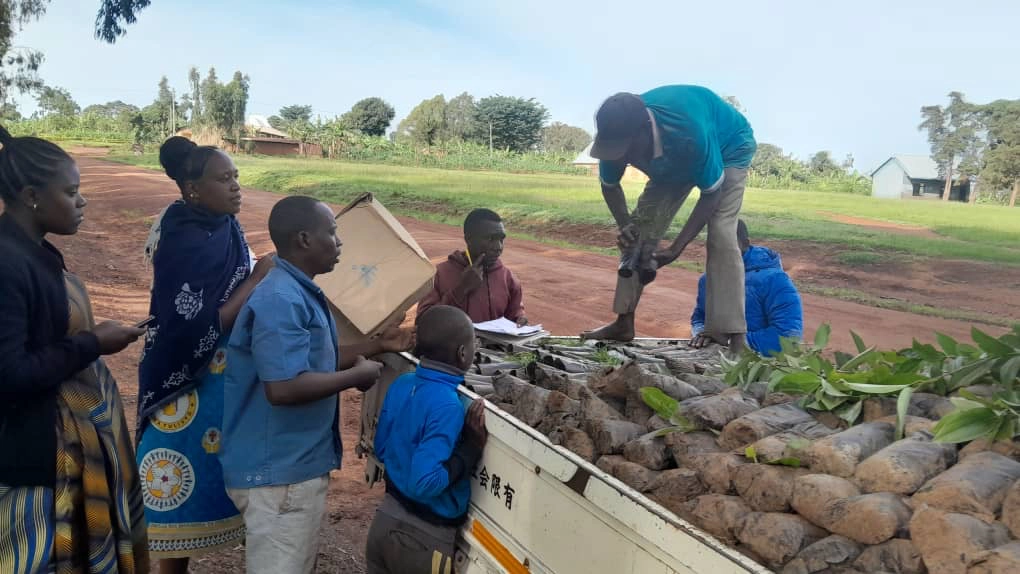
Through its partnership with Kaderes, this project supports farmers to integrate trees into existing coffee systems—restoring soil health, stabilizing yields, and diversifying incomes through both crop production and carbon finance. Over the past three years, more than 4 million trees have been planted across local nursery networks in the region, demonstrating a scalable model that links upfront support with long-term environmental and livelihood benefits.
Project impact
The project has already undertaken the following activities:
Implementation of a farmer & region specific agroforestry design that includes native tree species.
Farmer training sessions & capacity building by ToTs, trainers and lead farmers for the local community
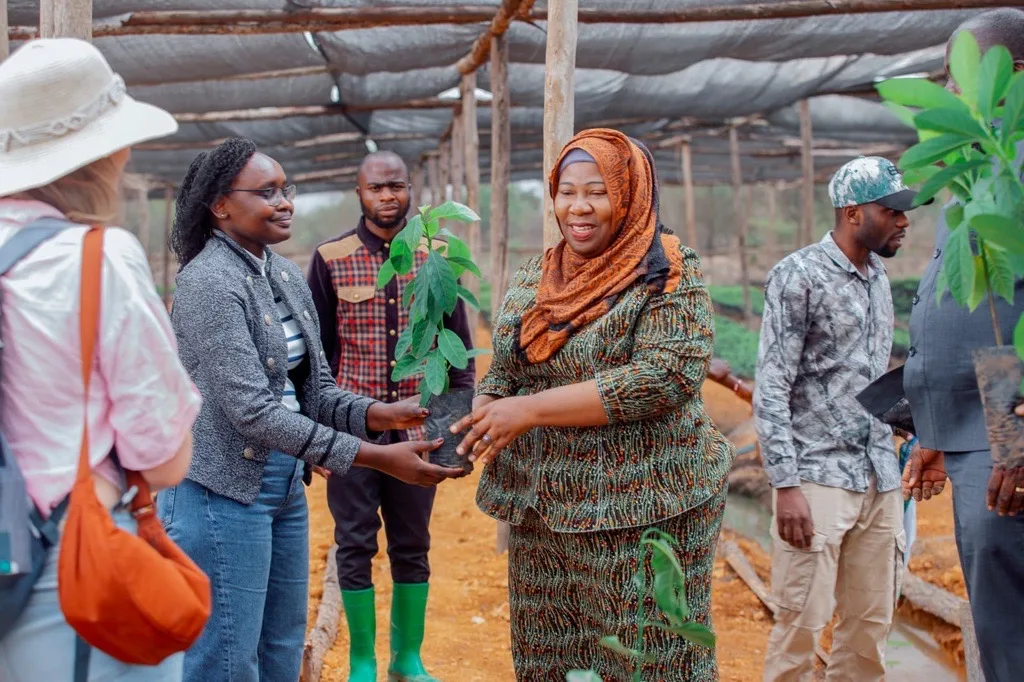
Established nurseries in 4 districts within the region
Farmer onboarding onto the agroforestry project
Farmer payouts from CRU generation
Stakeholder awareness and engagement through community meetings, project councils and maintains good relations with various stakeholders.
SDGs
Send us a message
Offset your carbon emissions and join our impact.
Page last updated September 17, 2026