Asian Forest Cooperation Organization Kyrgyzstan

This Acorn project, run by our partner the Asian Forest Cooperation Organization (AFoCO) in Kyrgyzstan, is currently supporting over 11,500 smallholder farmers.

About the farmers

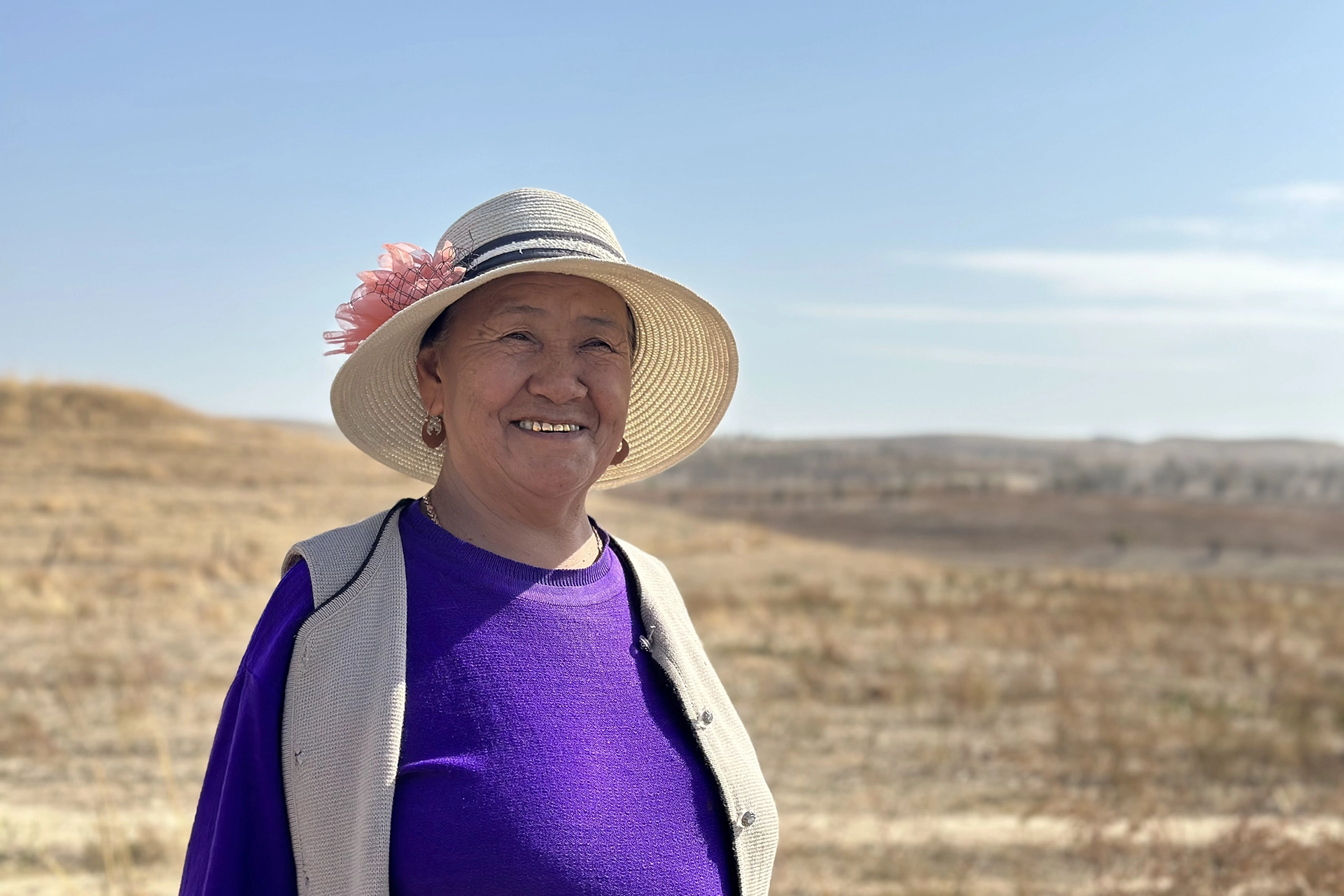
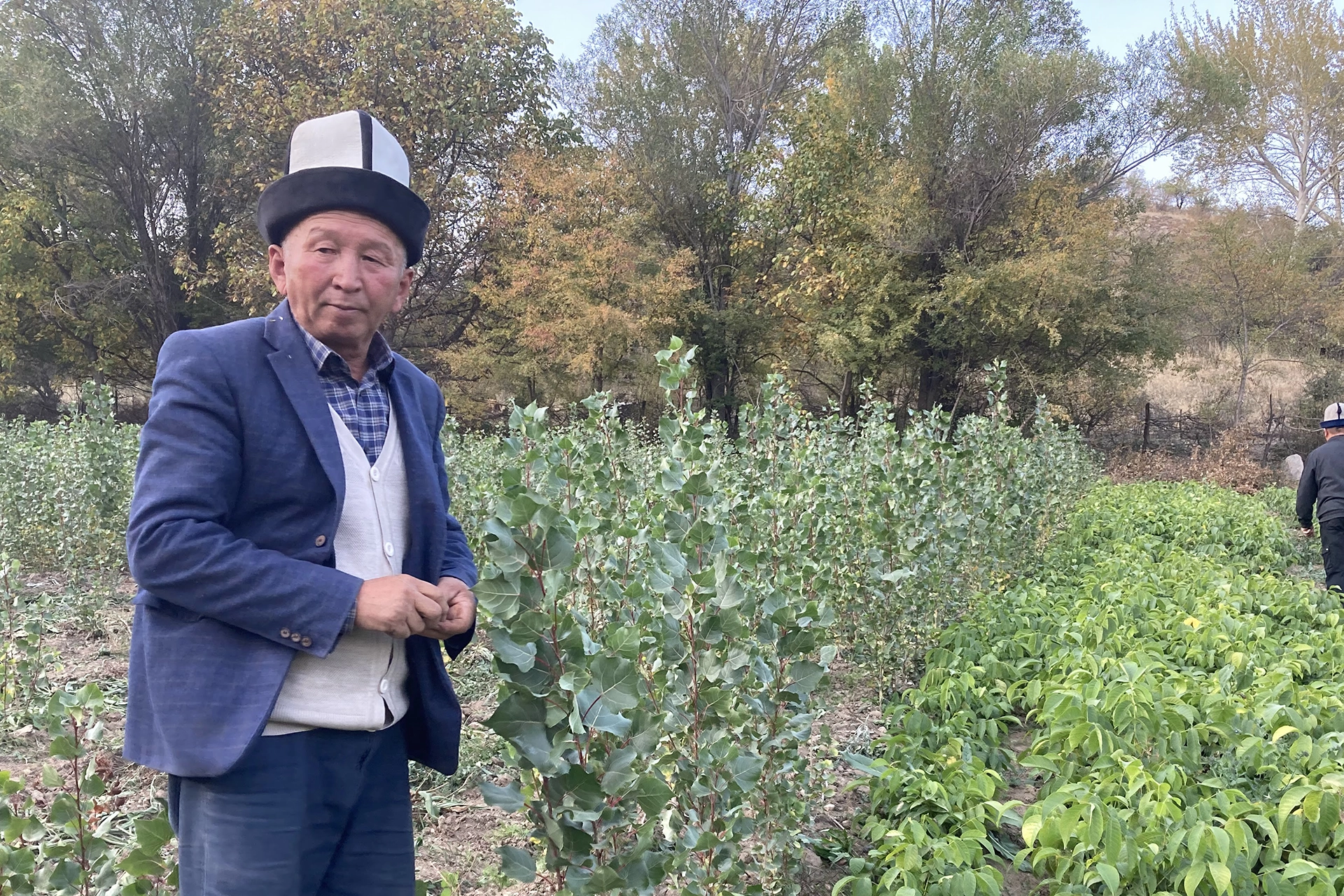
Many people in Kyrgyzstan rely on agriculture for sustenance as well as income, yet desertification has left many farmers living under the poverty line. The climate in Kyrgyzstan varies dramatically within the country, ranging from sharp continental to an almost oceanic climate due to the complex mountainous topography and the presence of Lake Issyk-Kol. As a result, cash crops and potential agroforestry designs depend on the specific region, but include fodder, (water)melon, tomato, cucumber, saffron, herbs, potato, corn, berries, and beans as cash crops, and fruit-bearing or nut-bearing trees as well as other trees (e.g. poplar and paulownia) for wind-breaking and timber harvesting, as well as to provide fencing to keep livestock in (or out). With the Acorn project, smallholder farmers are now replanting forests to improve their livelihoods and restore the fertility to their soil.

Kyrgyz smallholder farmer showing Acorn team the dry landscape.

About AFoCO

AFoCO is a treaty-based intergovernmental organization that promotes cooperation towards achieving the shared SDGs and regional and global forestry objectives. Through action-oriented practices, AFoCO aims to contribute to the global goals of increasing forest cover and implementing the Paris Agreement on climate change. AFoCO has implemented participatory forest management for empowering local communities in 42 community forests in U.N. Member Countries. AFoCO programs and projects have also promoted ecosystem services in 8 model forests, contributed to livelihood improvements through forest-based activities in 46 villages, and strengthened the institutional framework of the members through supporting improvements of national forest policies and law.

Acorn's impact

This project aims to promote sustainable food productivity improvement by integrating mixed trees, shrubs, and crops into landscape restoration systems. By embedding agroforestry within smallholder farming landscapes, the initiative strengthens soil health, enhances water retention, improves biodiversity, and increases long-term agricultural productivity. Farmers benefit from diversified income streams, improved resilience to climate variability, and greater economic stability. At the same time, the system contributes to greenhouse gas emission reductions and removals, aligned with national climate and development priorities, while delivering ecological, economic, and social co-benefits.

The development of the Kyrgyzstan initiative was directly initiated following an approach by the Ministry of Emergency Situations of the Government of Kyrgyzstan, which sought a structural solution to address climate-related risks in the country’s vulnerable mountain ecosystems. The Ministry identified agroforestry as a strategic intervention to establish a large-scale corridor across approximately 650,000 hectares of mountain slopes. The objective is to help regulate local climate conditions, stabilize soils, reduce erosion, improve watershed management, and contribute to the protection of glacier systems.

The preservation of glacier systems in Kyrgyzstan has profound regional significance. Glacier-fed water systems sustain approximately 76 million people across Central Asia who depend on these resources for agriculture, drinking water, and energy generation. From the government’s perspective, the agroforestry and carbon programme therefore serves an overarching objective that goes beyond carbon sequestration alone. It is designed as climate resilience infrastructure at landscape scale, strengthening disaster risk management, safeguarding long-term water and food security, and mobilizing climate finance to support adaptation efforts. In this context, the carbon component functions as an enabling financial mechanism that underpins a broader government-led strategy for climate stabilization and regional resilience.

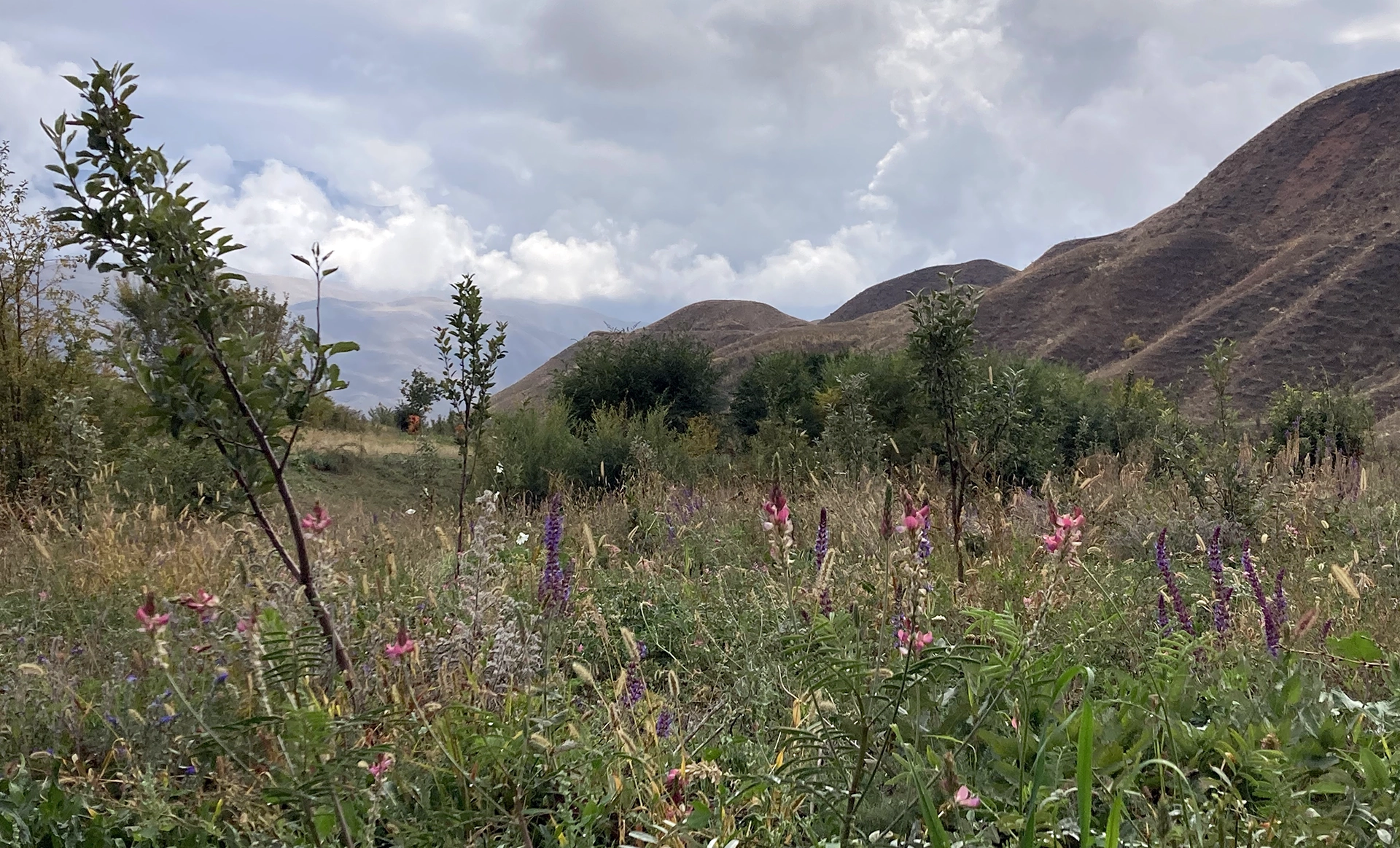
Wild landscape in Kyrgyzstan

Project Activities

The project has already undertaken the following activities:

  • Agroforestry design created
  • First training sessions by lead farmers for their local community
  • Secured funding for 2 nurseries

Project Documentation

Click the links below to download the project's certification documents.

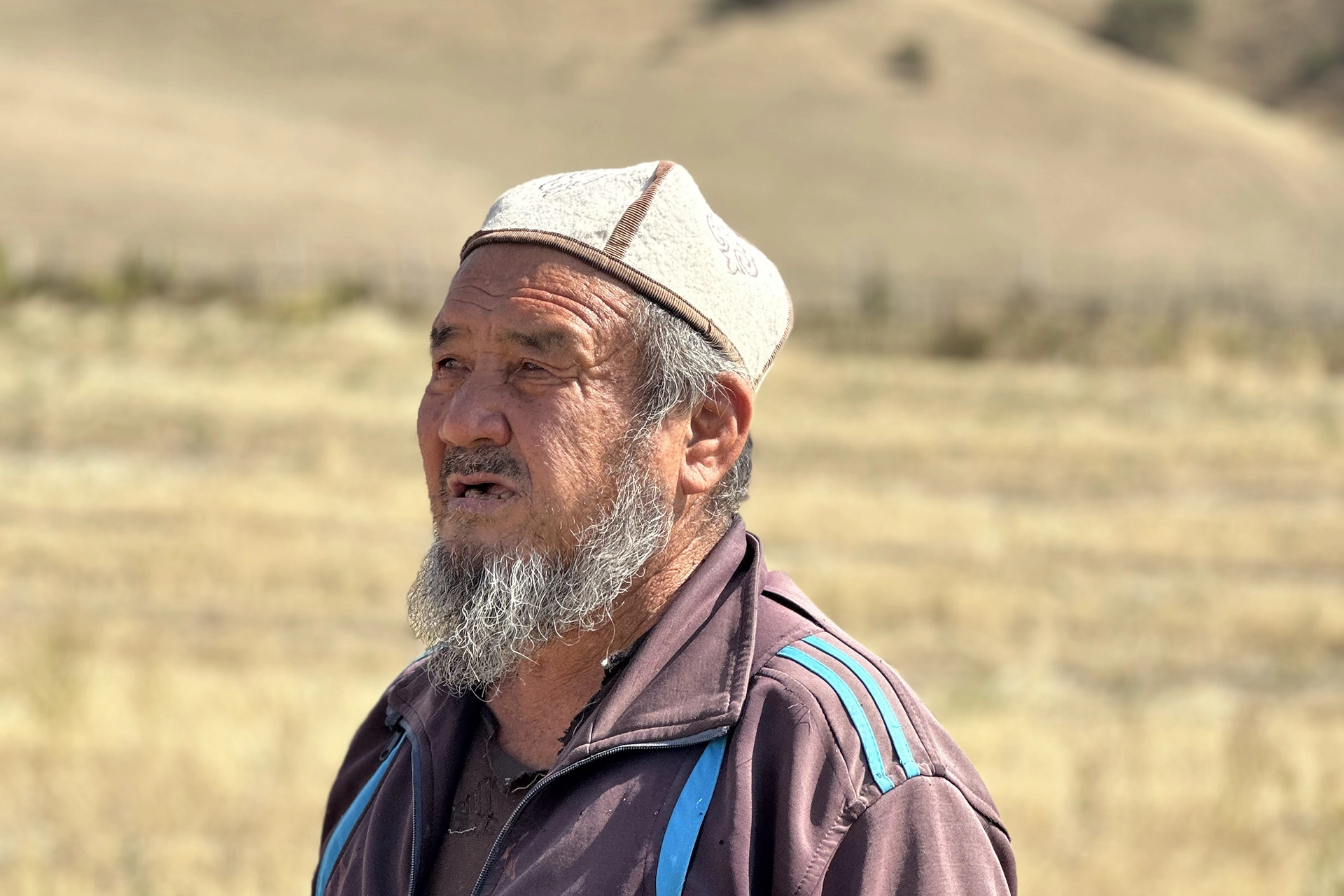
Kyrgyz smallholder showing Acorn his plot of land.

More Acorn Projects

Acorn B.V. is a registered company in the Netherlands. KvK number 98756834. VAT number NL86630263B01.