Solidaridad Kenya
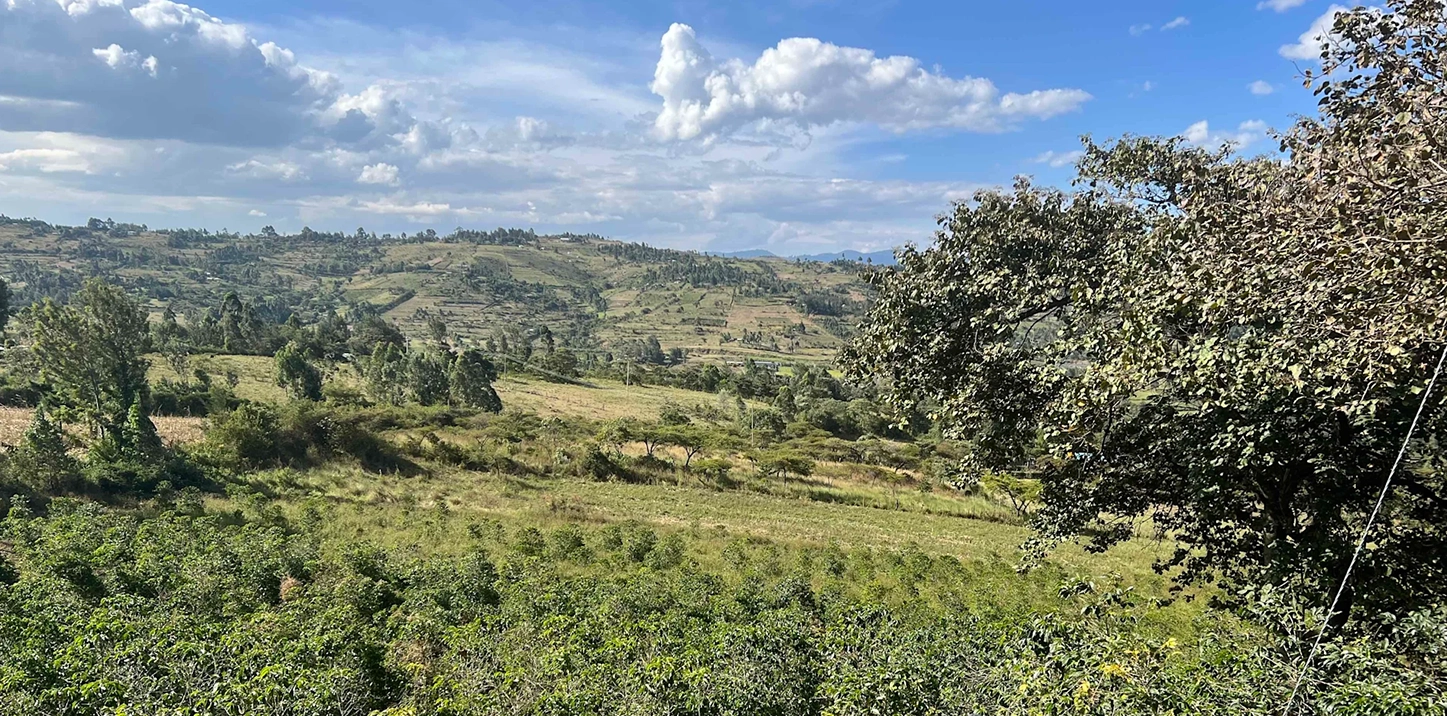
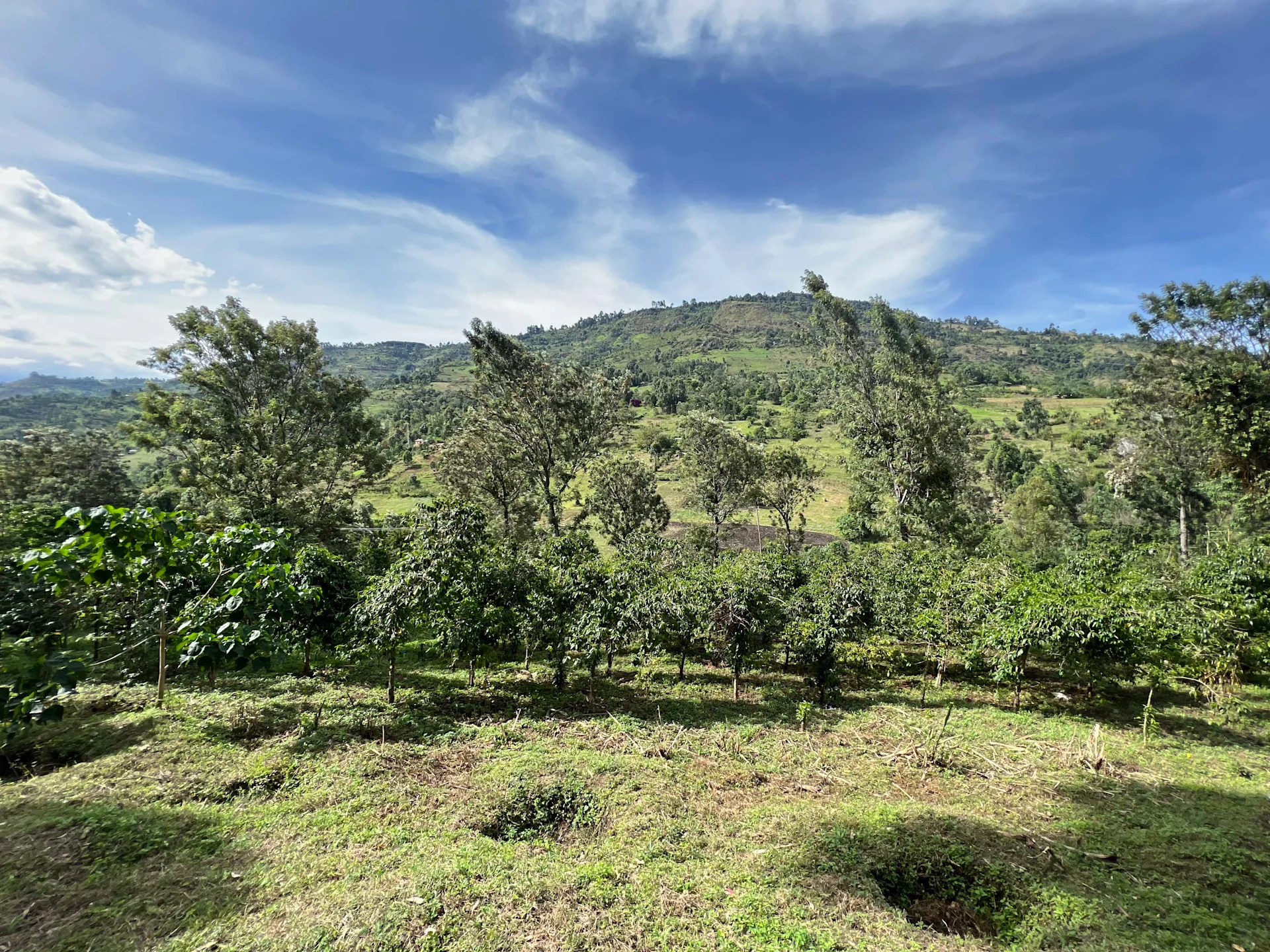
In Kenya, we are partnering with Solidaridad to support smallholder coffee farmers in their transition towards agroforestry systems.
- Africa
- Acorn Methodology 1.0
- Validation Ongoing
Project Results

8.512
Farmers supported
1.327
CRUs issued
5.132
Hectares covered
Why this project matters
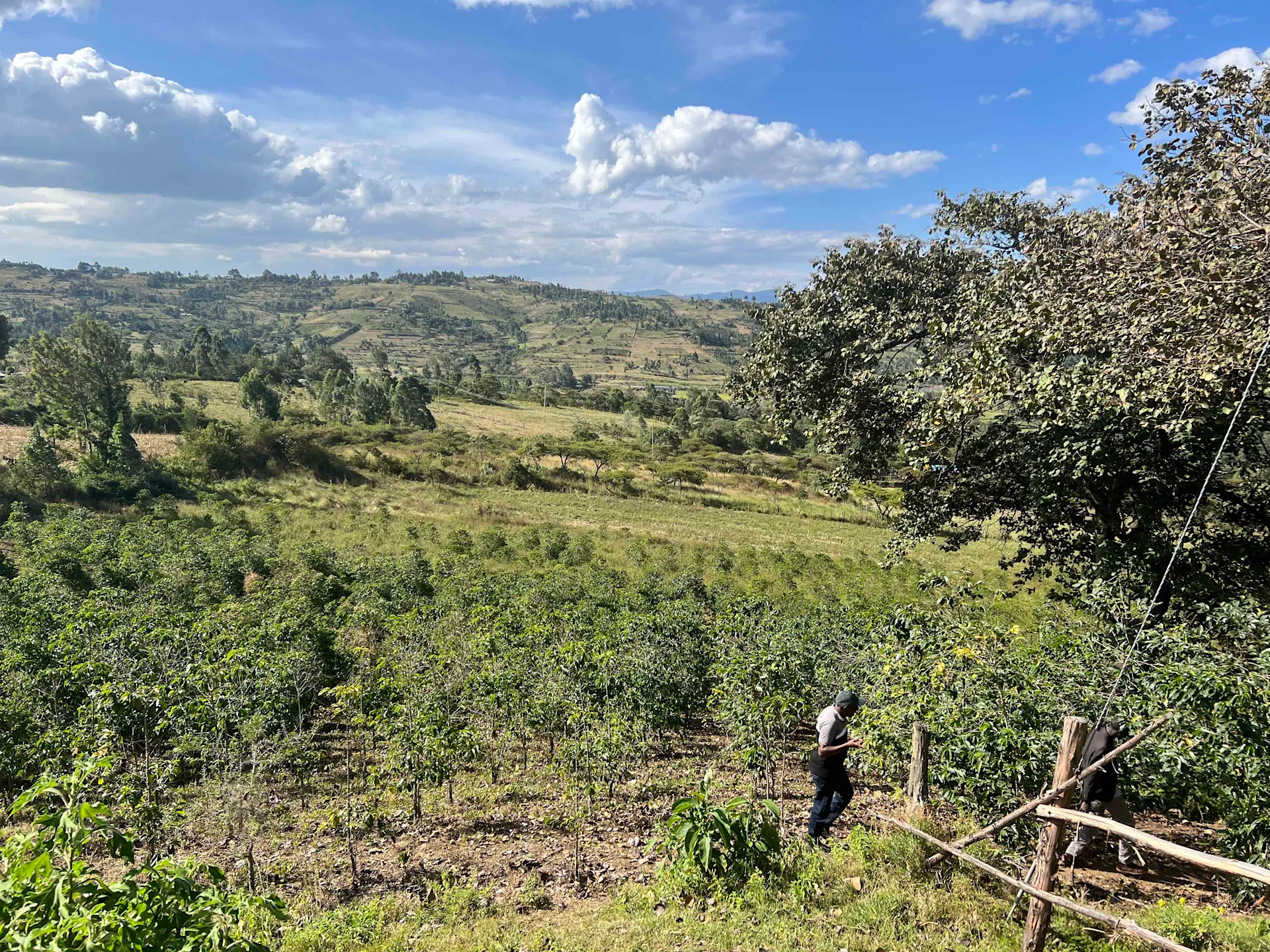
In Kenya’s western coffee belt, spanning Bungoma, Kericho, Nandi and Trans Nzoia, smallholder farmers cultivate small plots, often well below one hectare, and rely heavily on coffee as a primary source of income. Yet these farmers operate within a fragile economic reality: Kenya’s overall human development level remains moderate, with rural households facing disproportionate poverty and limited access to essential services such as reliable electricity, infrastructure, and markets. In practice, this means that coffee income alone often does not cover basic needs like food, education, and healthcare—even more so in remote areas—while population growth and pressure on land and natural resources continue to intensify these constraints.
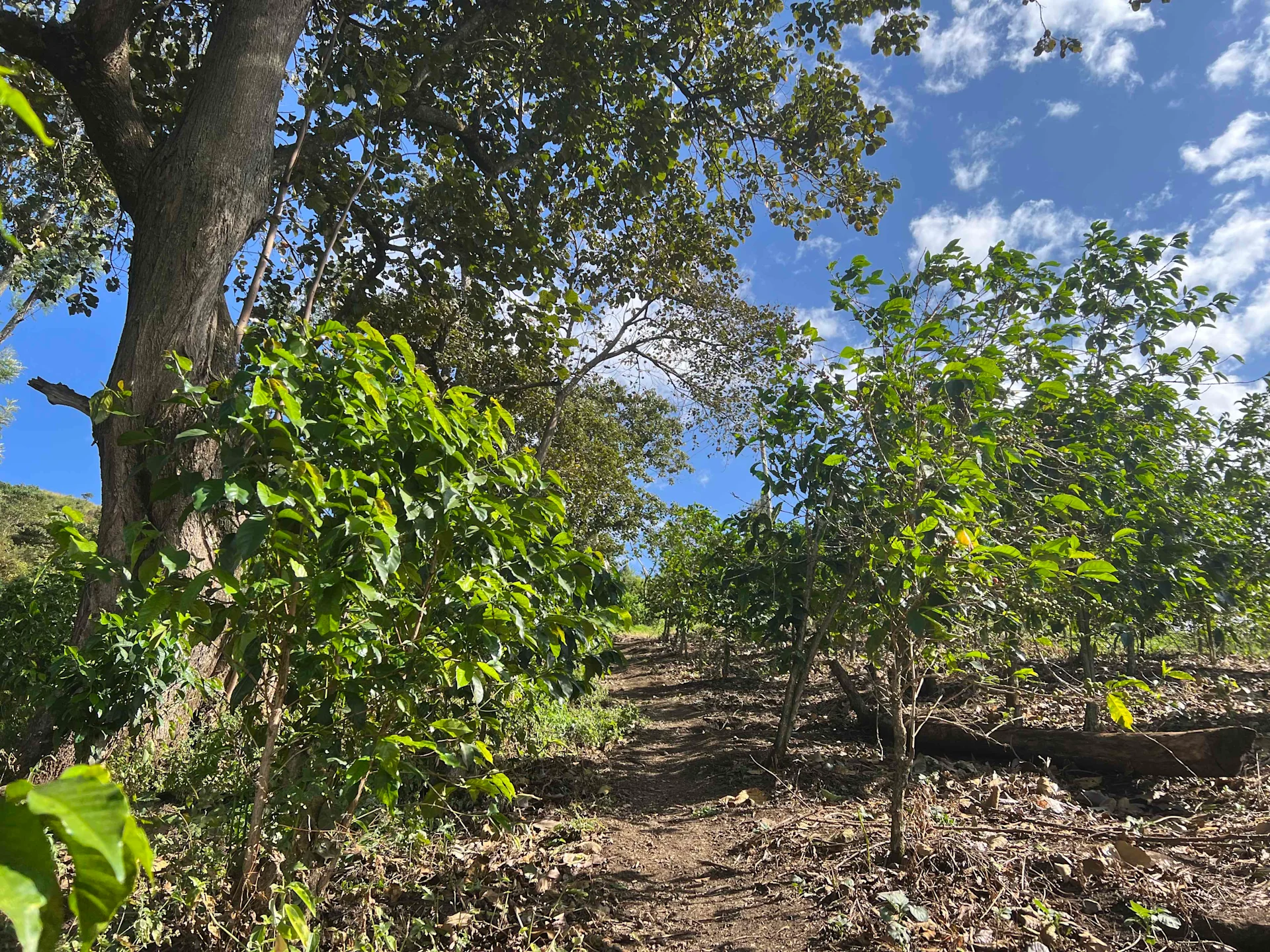
Our partnership with Solidaridad in Kenya aims to support farmers as they adopt more climate-resilient, tree-based design systems. By integrating diverse trees into coffee landscapes, farmers can restore soil quality, reduce climate risks, and improve productivity over time, addressing some of the root causes of low yields and declining incomes in Kenya’s coffee sector. At the same time, carbon finance provides a critical enabling mechanism: it helps farmers cover the upfront costs of seedlings, inputs, and training while creating an additional income stream tied to the long-term performance of their agroforestry systems. In doing so, this project also enables households to invest more consistently in food, education, and the future of their farms.
Project impact
The project has already undertaken the following activities:
Agroforestry designs created (according to traditional knowledge and farmer desires)
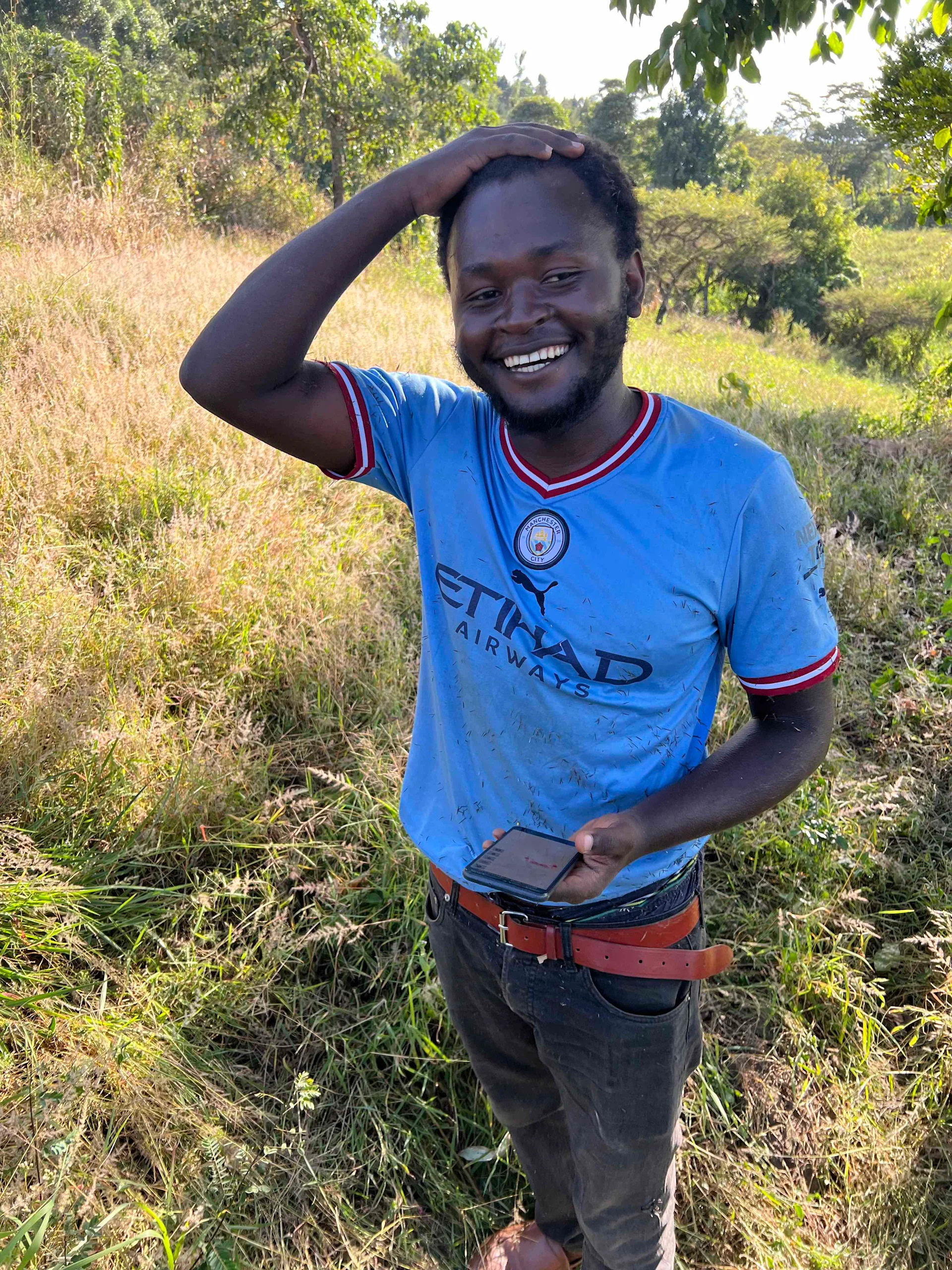
Training sessions by lead farmers for their local community
Identified 14 cooperatives which will be represented by different farmers.
Established four different project councils.
Send us a message
Offset your carbon emissions and join our impact.
SDGs
Page last updated September 17, 2026