High Atlas Foundation Morocco
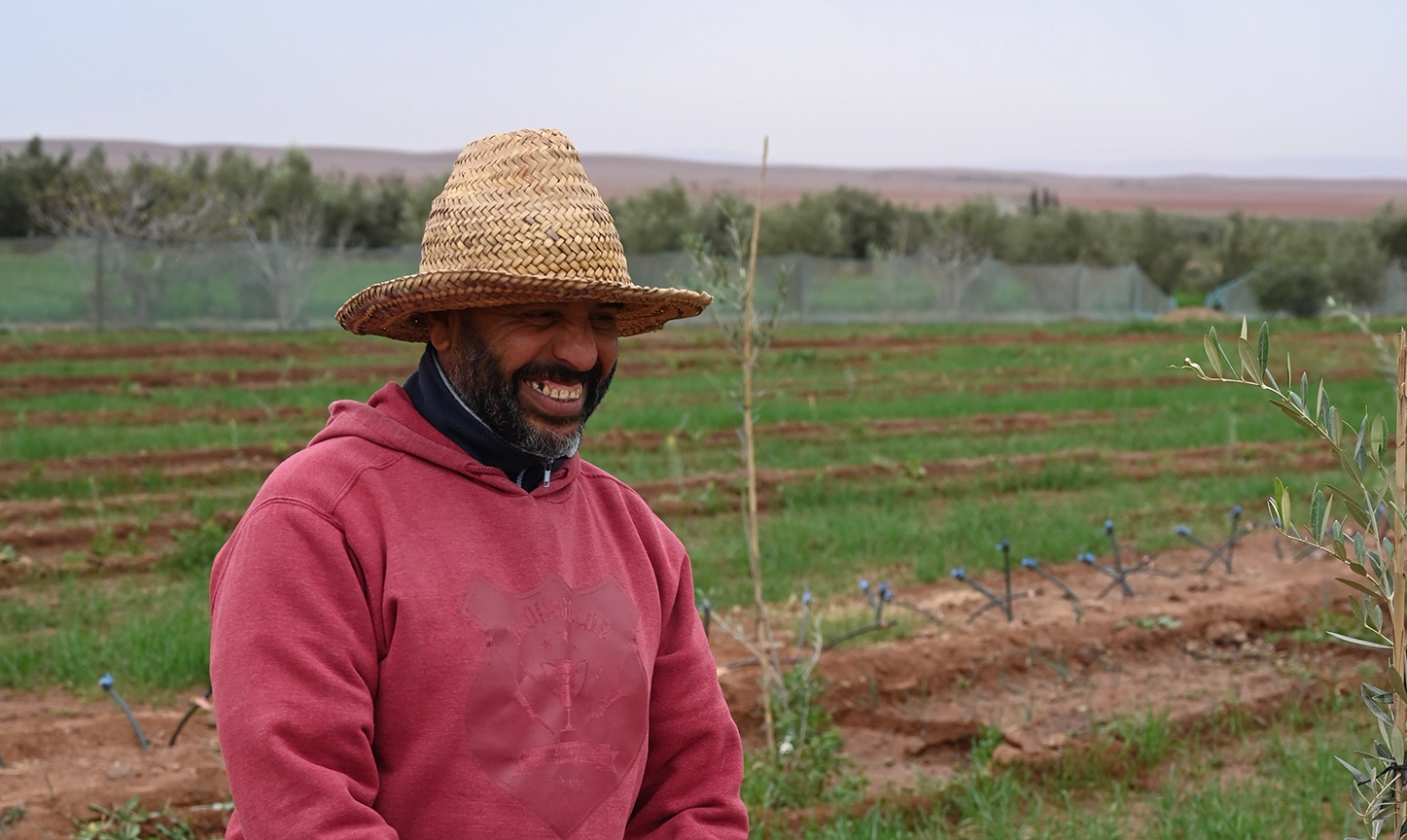
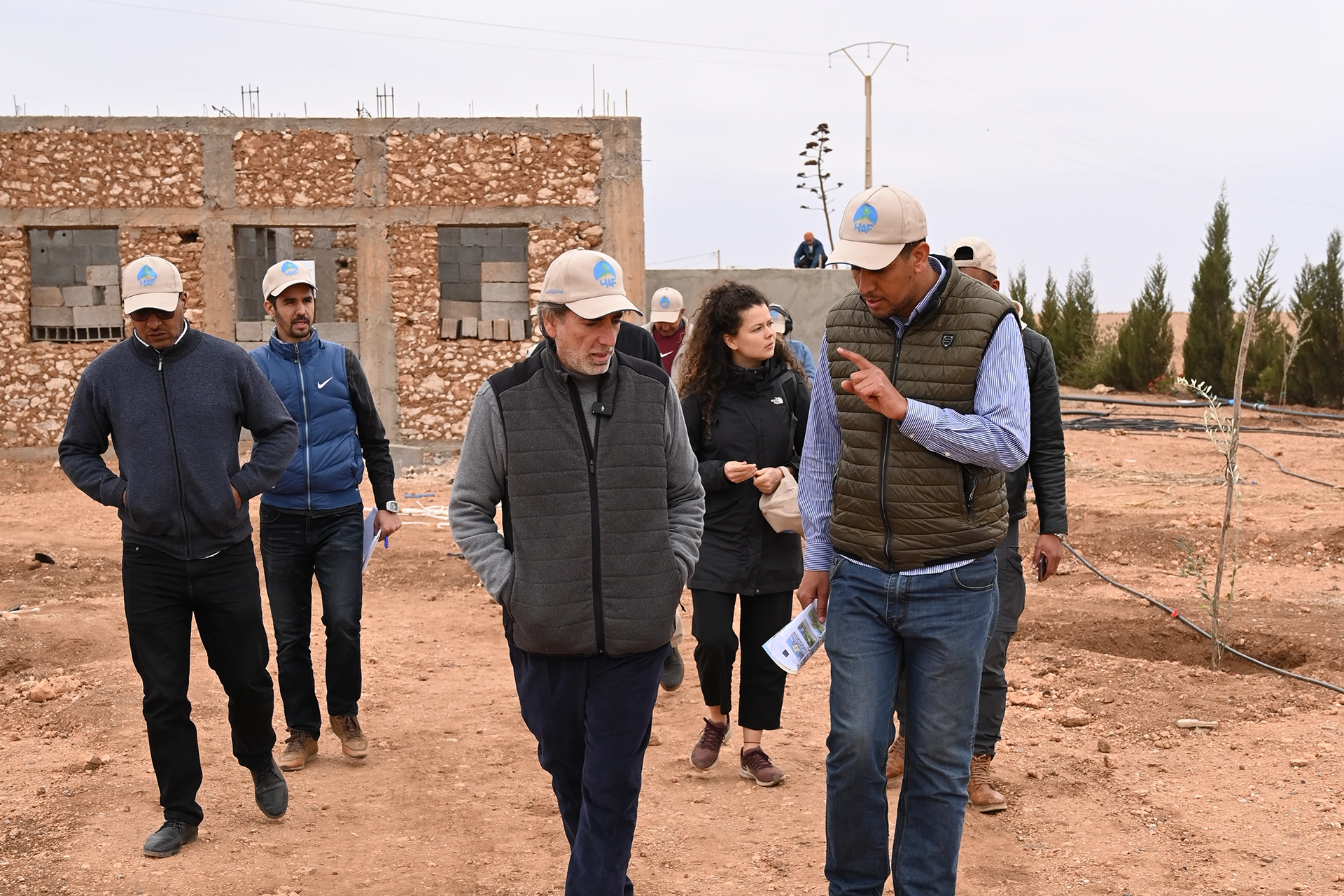
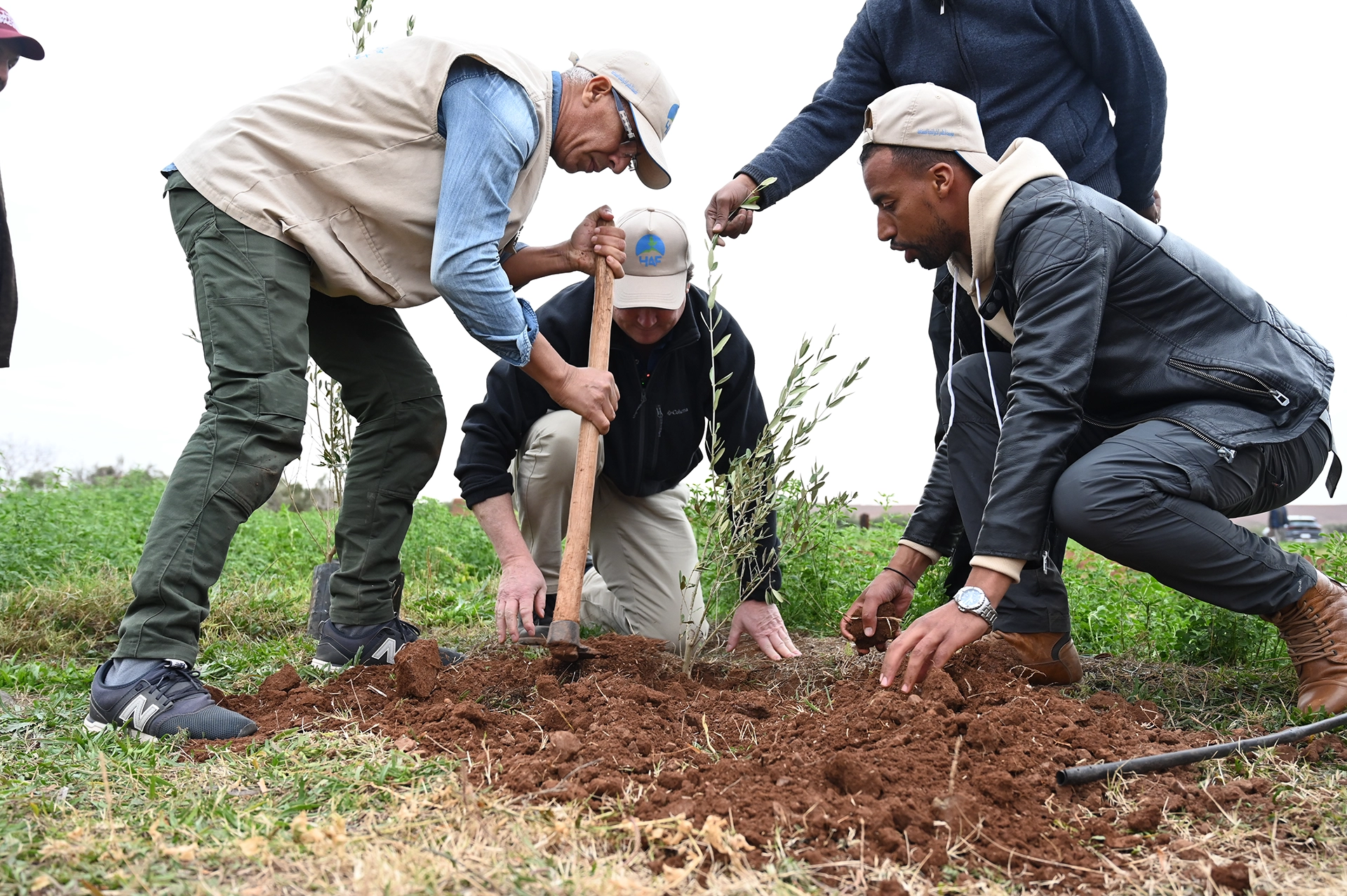
Our partnership with HAF is enabling almost 1,000 Moroccan smallholder farmers in their transition to agroforestry systems.
- Africa
- Acorn Methodology 1.0
- In development
Project Results
961
Farmers supported
0
CRUs issued

3.593
Hectares covered
Why this project matters
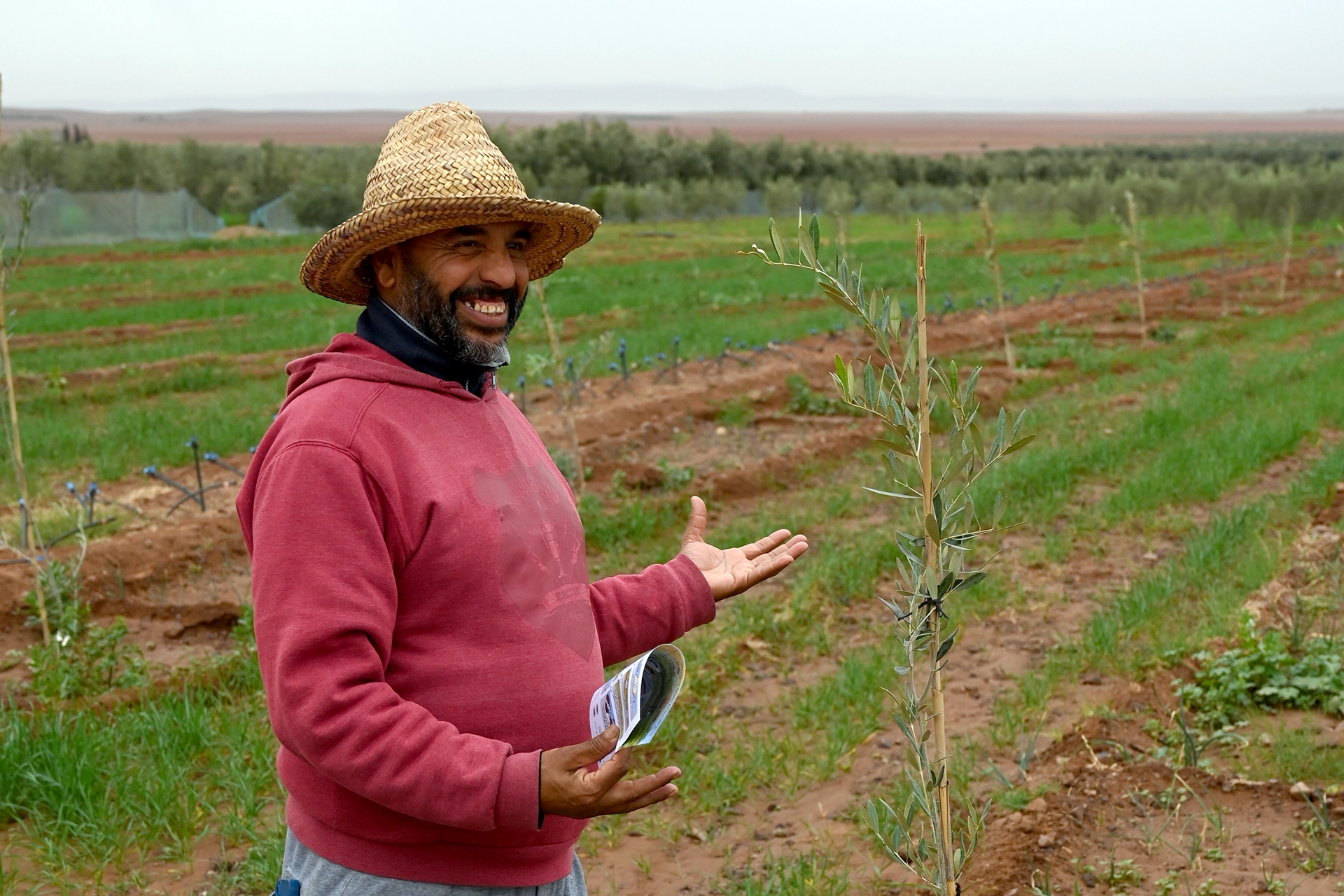
Rural Morocco is home to roughly one-third of the population, where livelihoods are heavily dependent on agriculture. Yet income opportunities remain limited and uneven, with many smallholder farmers in the project region earning only a few hundred dollars annually—constrained by low productivity, limited market access, and structural inequalities. Women play a central but often under-recognized role: while land ownership is typically male-dominated, rural outmigration leaves women responsible for farming and household management. At the same time, persistent barriers to education and high levels of illiteracy restrict access to economic opportunity and reinforce intergenerational poverty in rural areas.
Together with HAF, our Acorn project addresses these challenges through a community-driven approach that links agroforestry to carbon finance. Carbon revenues enable smallholders to reinvest in locally defined priorities—such as water infrastructure, women’s cooperatives, and education—strengthening both livelihoods and long-term resilience. Supported by strong partnerships with farmer cooperatives and government institutions, the project demonstrates a scalable pathway to deliver measurable climate outcomes alongside inclusive rural development.
Project impact
The project has already undertaken the following activities:
Agroforestry design created
First training sessions by lead farmers for their local community
Project documentation
Eligibility certificate
PDF
Buy credits from this project
Page last updated September 17, 2026