NABCONS India
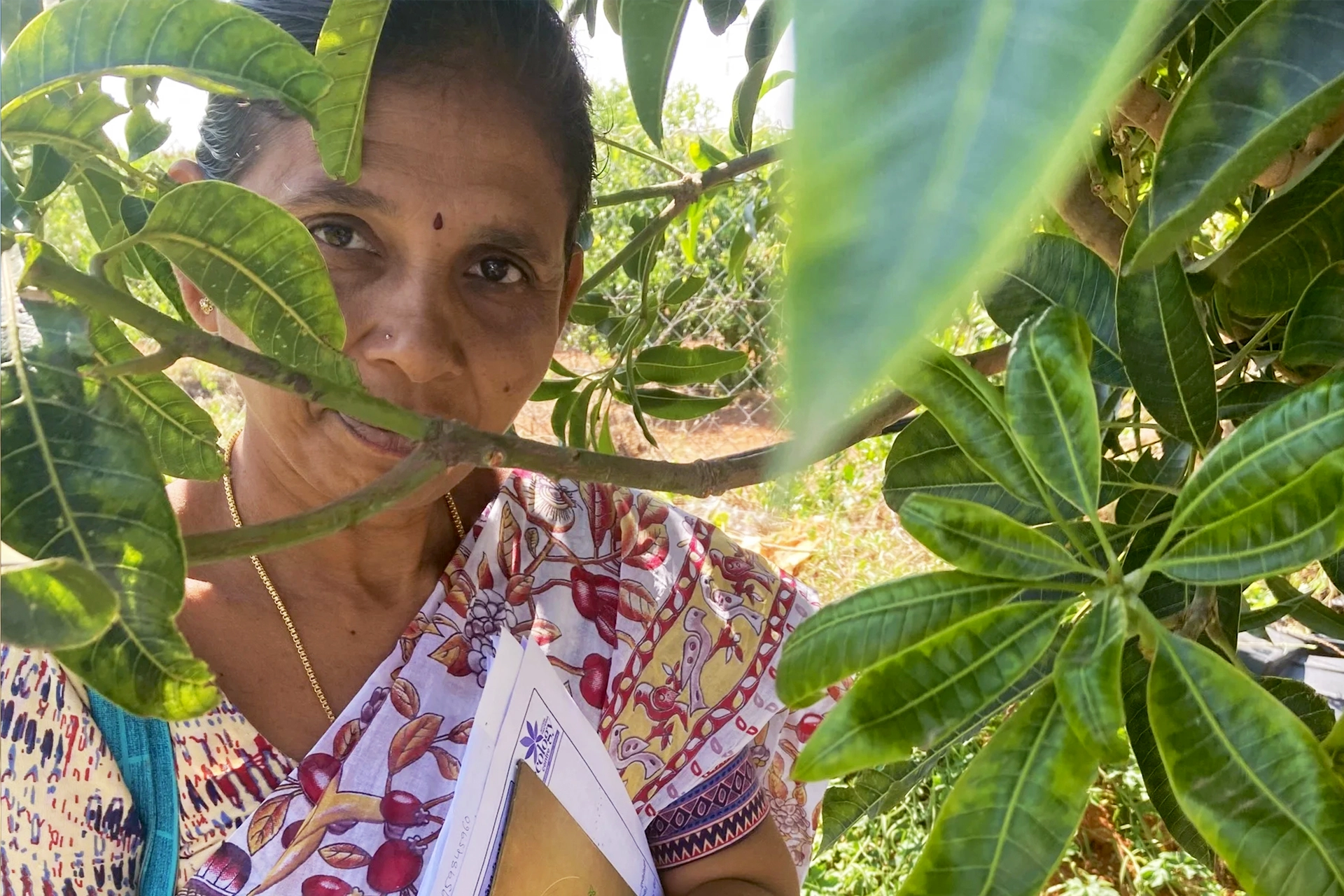
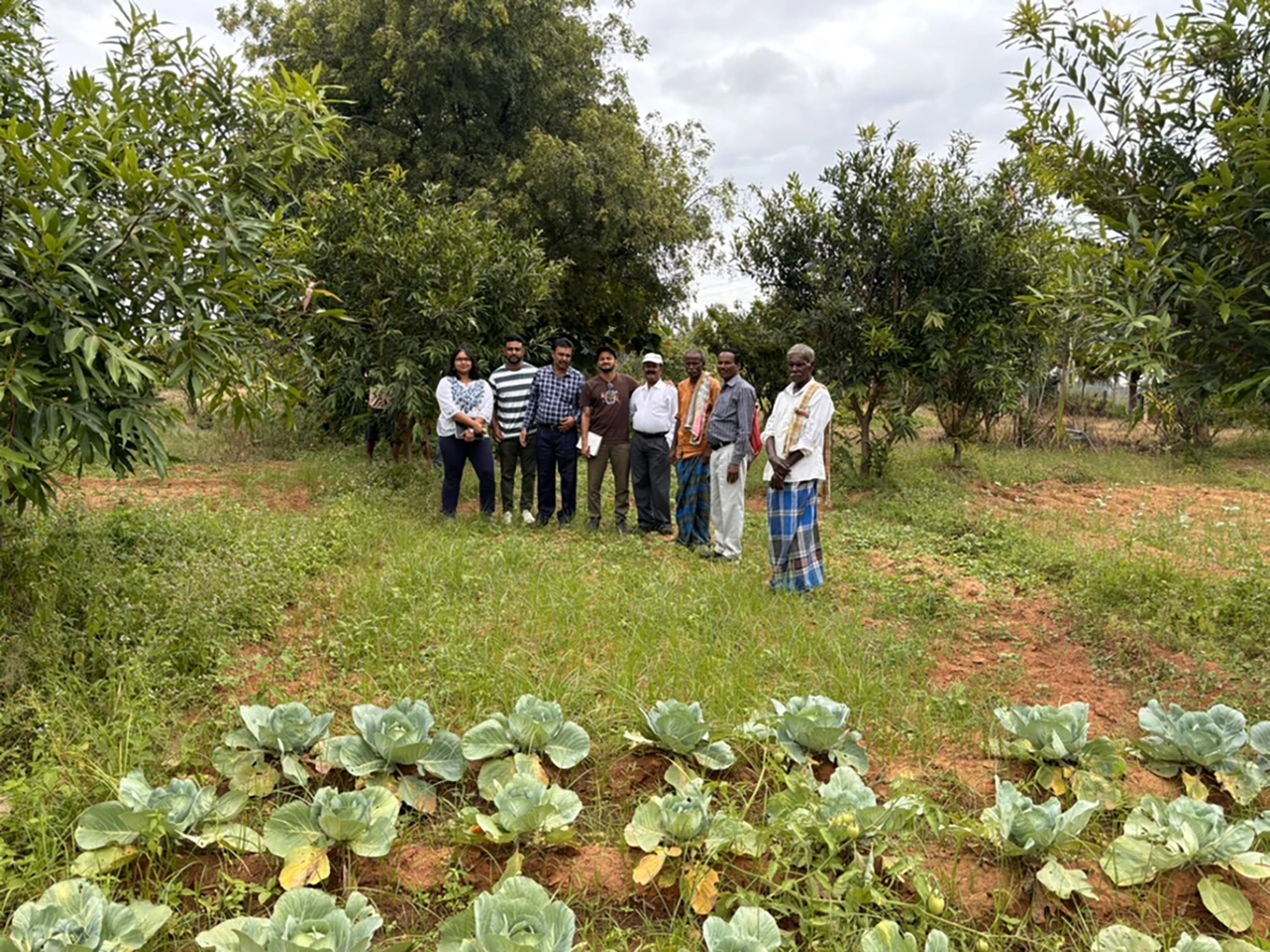
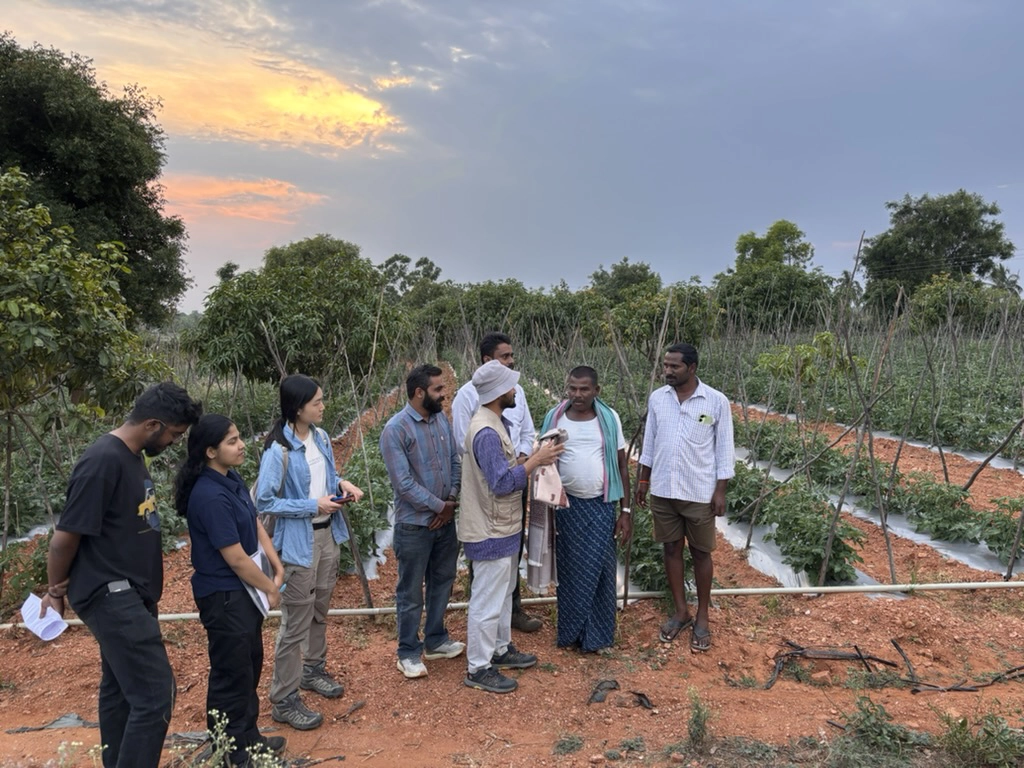
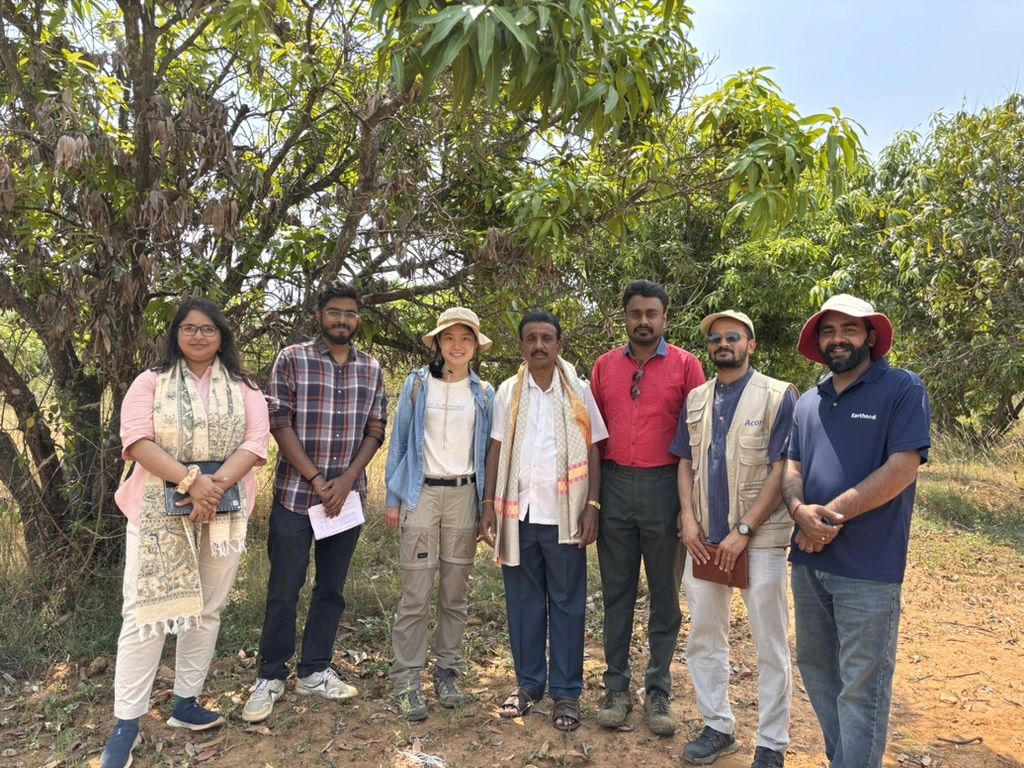
We are partnering with NABCONS and India’s Department of Horticulture to empower Indian smallholder farmers in Karnataka to transition towards agroforestry systems.
- Asia
- Acorn Methodology 1.0
- Validation Ongoing
Project Results

2.079
Farmers supported
219
CRUs issued

2.075
Hectares covered
Why this project matters
In Kolar district, farmers live with uncertainty every season. Rainfall is unpredictable, groundwater is severely depleted, and soils are increasingly unable to sustain healthy crop yields. For many smallholder families, farming remains the primary source of livelihood—but one that delivers diminishing and unreliable returns. Even those above the poverty line often lack the stability or resources to invest in their land, leaving them vulnerable to climate shocks and gradual environmental decline.
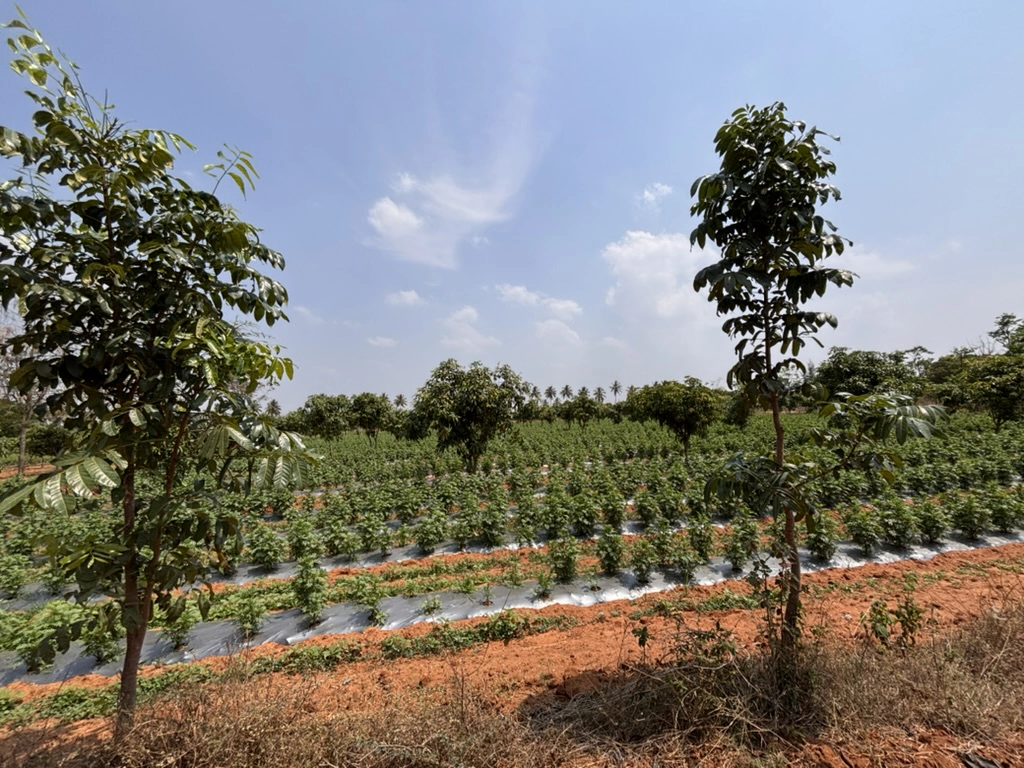
This project responds to that reality by helping farmers rebuild resilience from the ground up. By introducing agroforestry—integrating trees with crops—farmers can restore soil fertility, improve water retention, and diversify what they grow and consume. With access to training and planting materials, families can move beyond limited crop choices, producing a wider range of nutritious food while creating new income streams. The result is not just higher productivity, but more secure livelihoods—where farming once again becomes a foundation for stability, nutrition, and long-term wellbeing.
Project impact
The project has already undertaken the following activities:
Stakeholder engagement
Farmer onboarding
Identified suitable agroforestry designs
Farmer engagement sessions
Send us a message
Offset your carbon emissions and join our impact.
SDGs



Page last updated September 17, 2026