IORA Ecological Services India
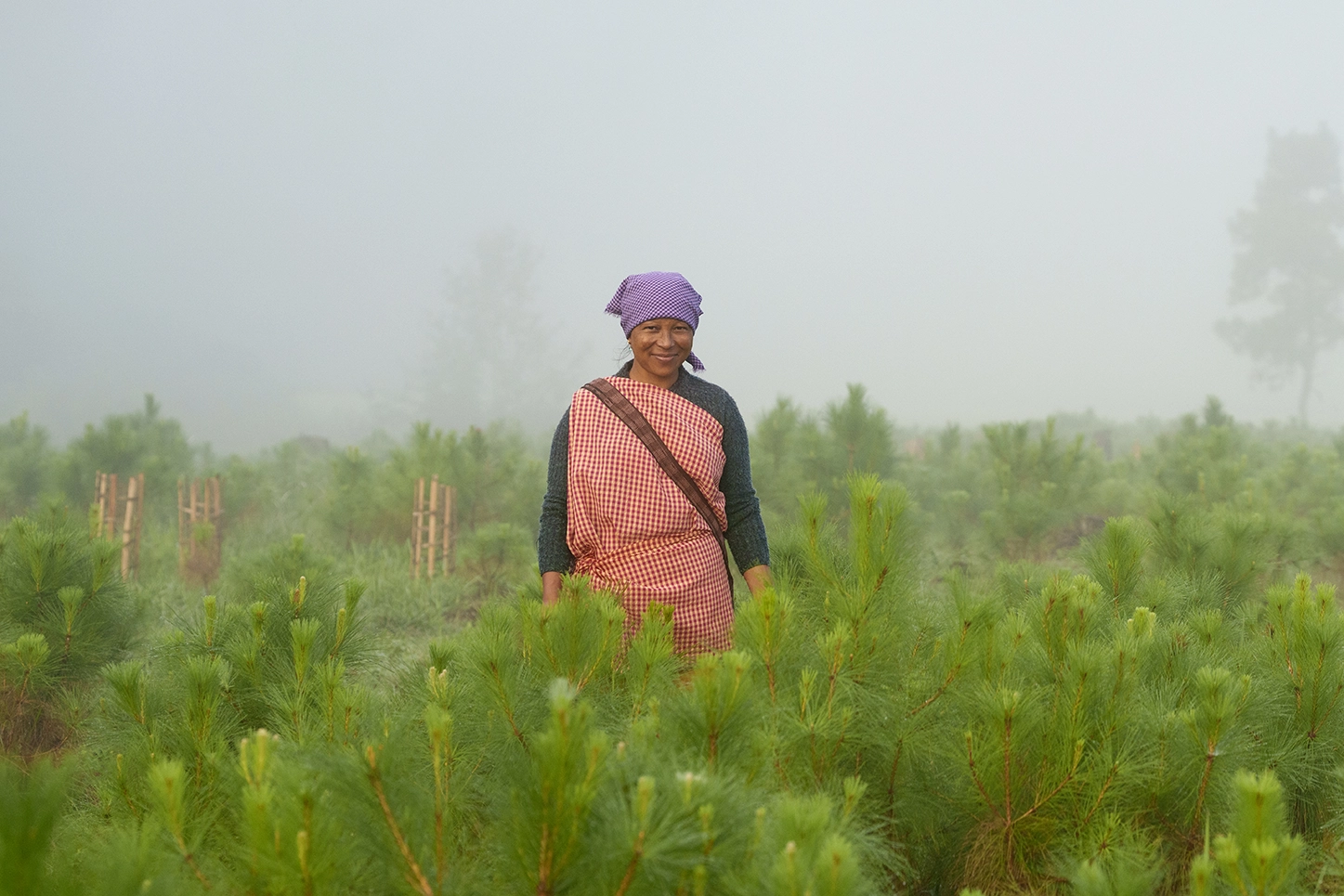
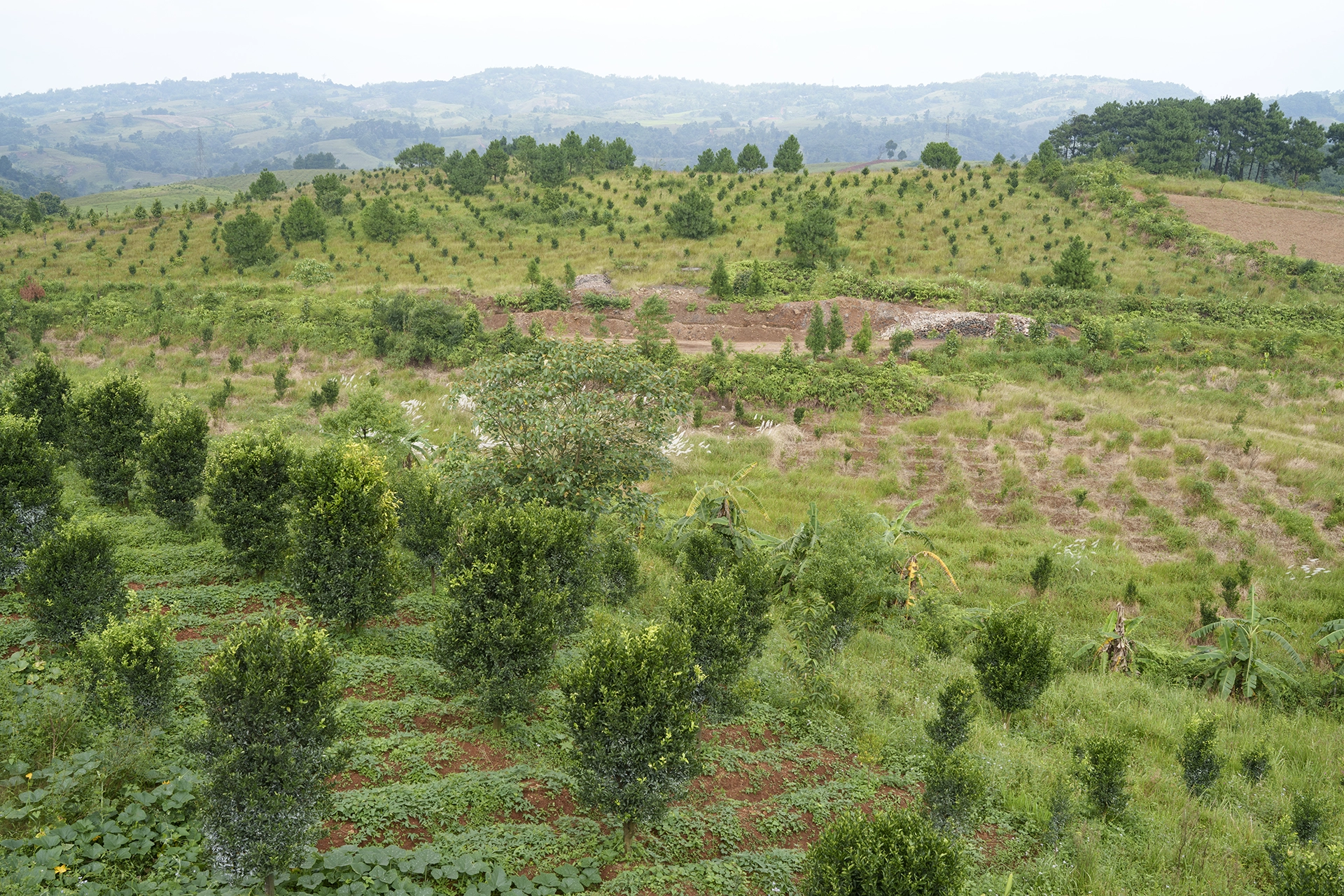
In India, we are partnering with IORA Ecological Services to support the agroforestry practices of over 14,000 smallholder farmers across Meghalaya.
- Asia
- Acorn Methodology 1.0
- Validation Ongoing
Project Results
6.230
Farmers supported
468
CRUs issued

12.014
Hectares covered
Why this project matters
Meghalaya, in northeastern India, is home to nearly 3 million people, with over 85% belong to Indigenous tribal communities. This region holds a quiet strength: a matrilineal culture where women inherit land and serve as custodians of both family and natural resources. Despite strong cultural systems, poverty and vulnerability persist: recent estimates suggest that over 30% of the population live in poverty, while livelihoods remain heavily dependent on natural resources. At the same time, environmental pressures are intensifying. Deforestation, shifting cultivation, and population growth, combined with climate change, are driving soil degradation, water scarcity, and biodiversity loss — threatening long-term food security and rural resilience.
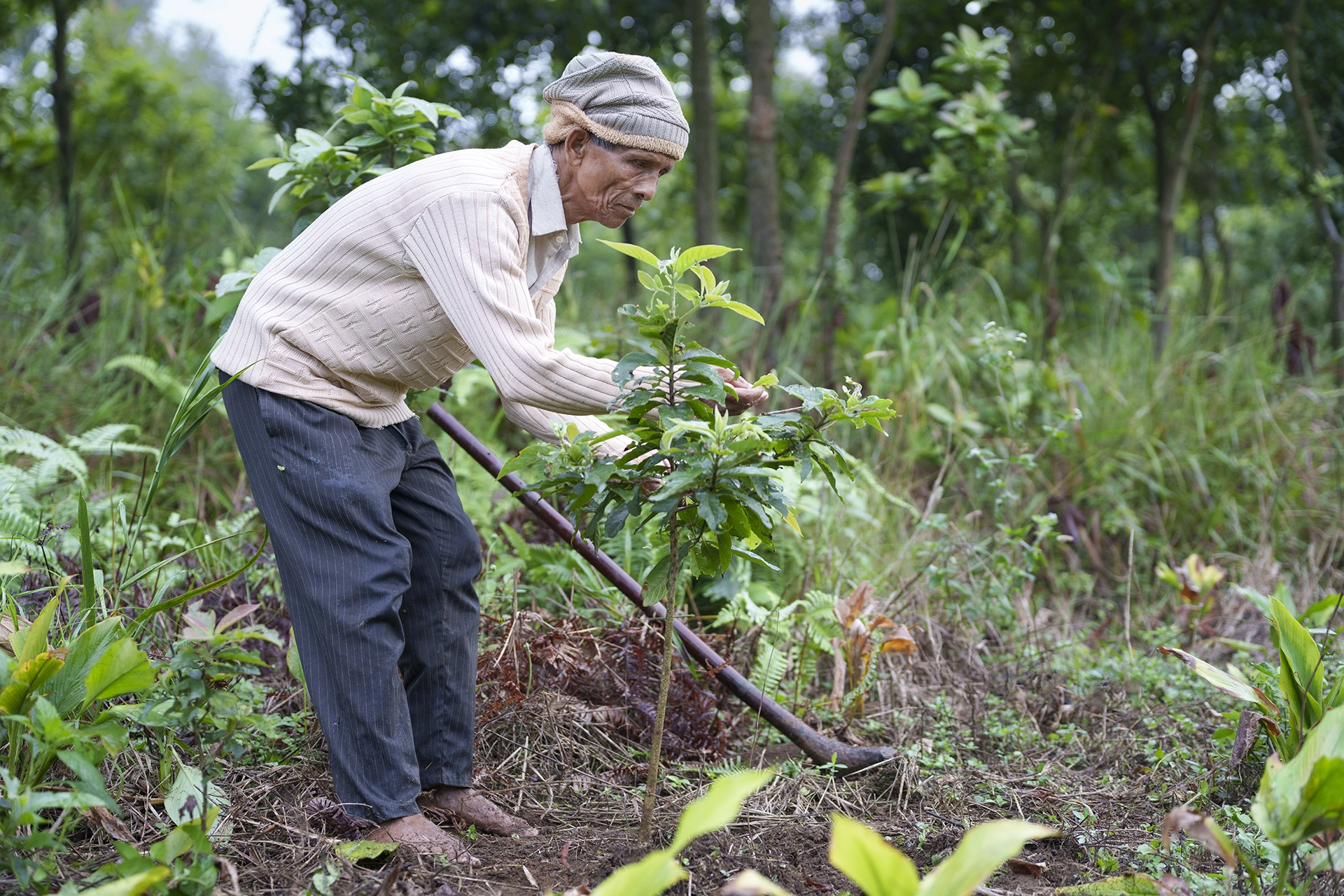
Building on indigenous traditions, we are partnering with IORA to empower these smallholder communities and their agroforestry systems that restore soil fertility, revive water systems, and create resilient, diversified livelihoods. In a region that is a biodiversity hotspot that is home to thousands of plant species and rare wildlife, such as clouded leopards and Asian elephants, these changes ripple far beyond individual farms, contributing to the long-term restoration of both ecosystems and communities.
Project impact
The project has already undertaken the following activities:
Stakeholder engagement
Farmer onboarding
Identifying and finalising suitable agroforestry designs after consultation with all stakeholders
Farmer engagement sessions
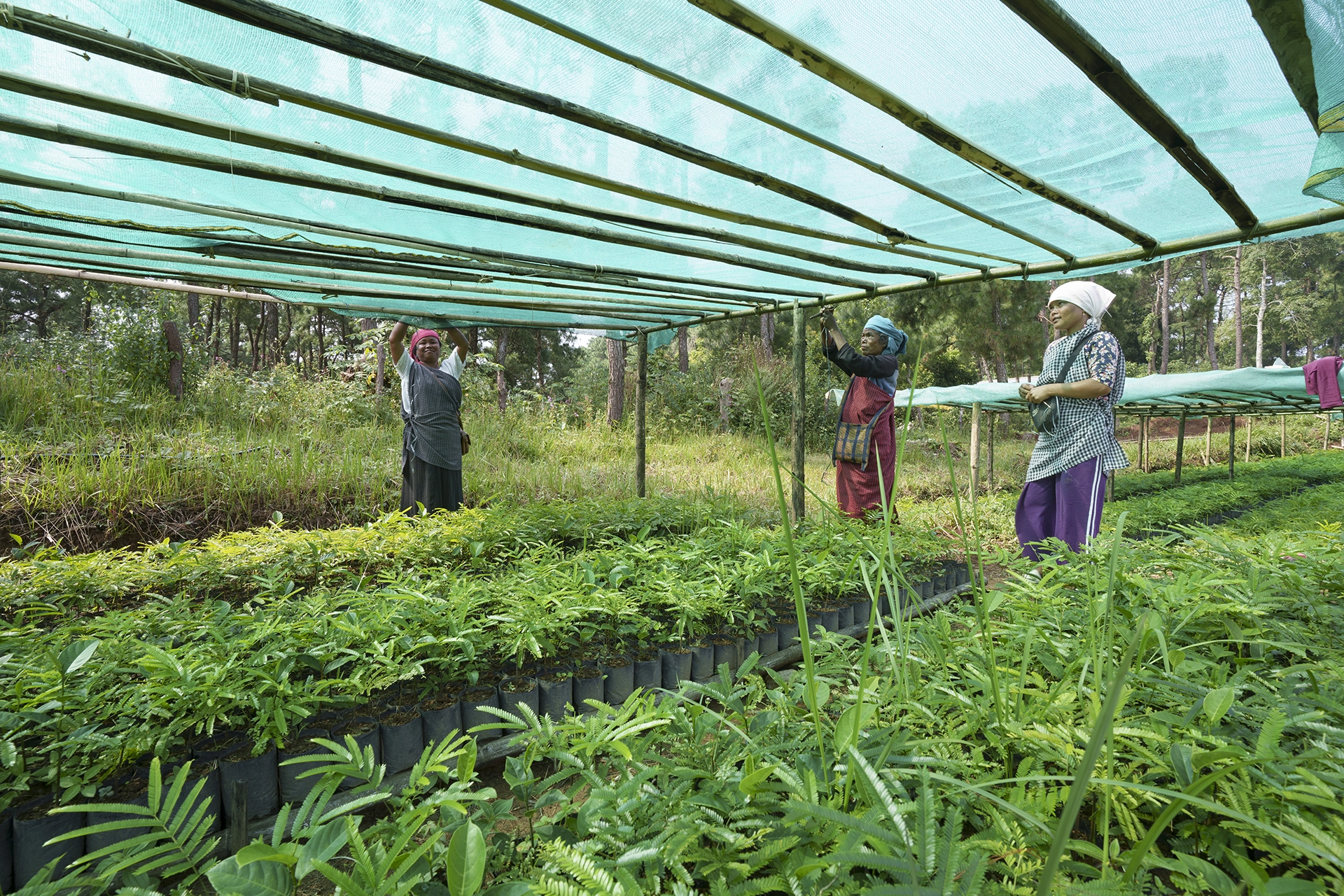
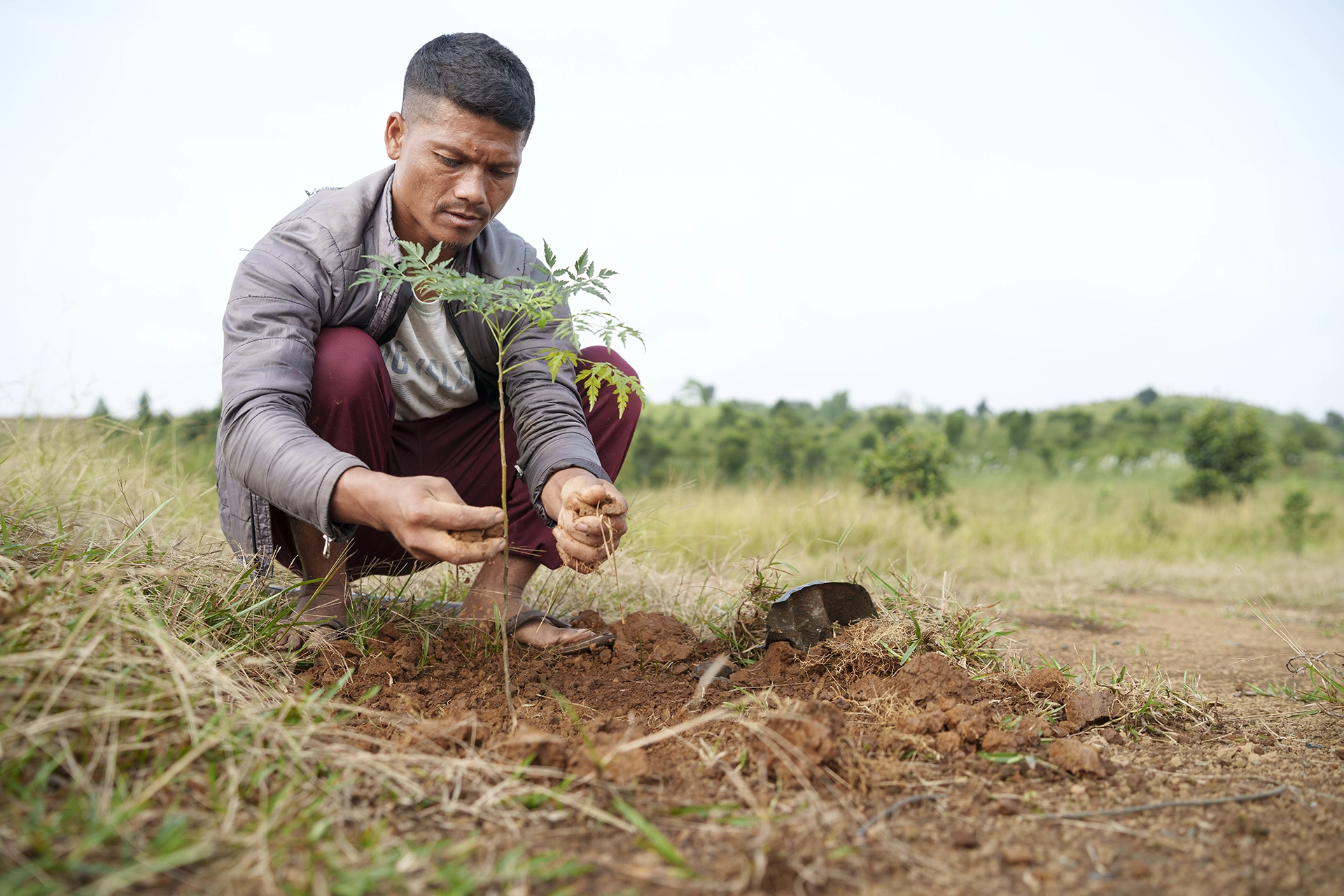
Tree sapling distribution and planting

Buy credits from this project
Page last updated September 17, 2026