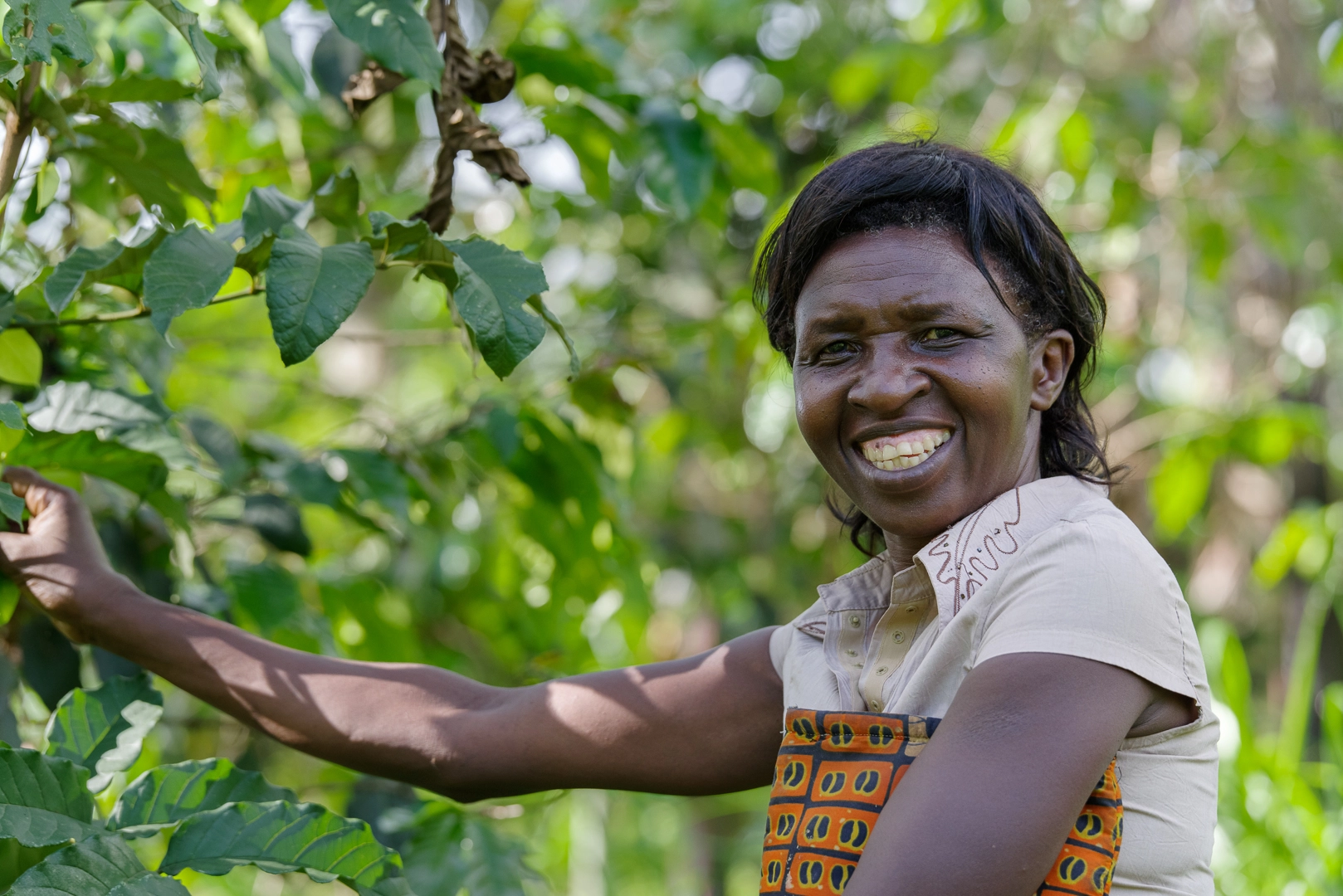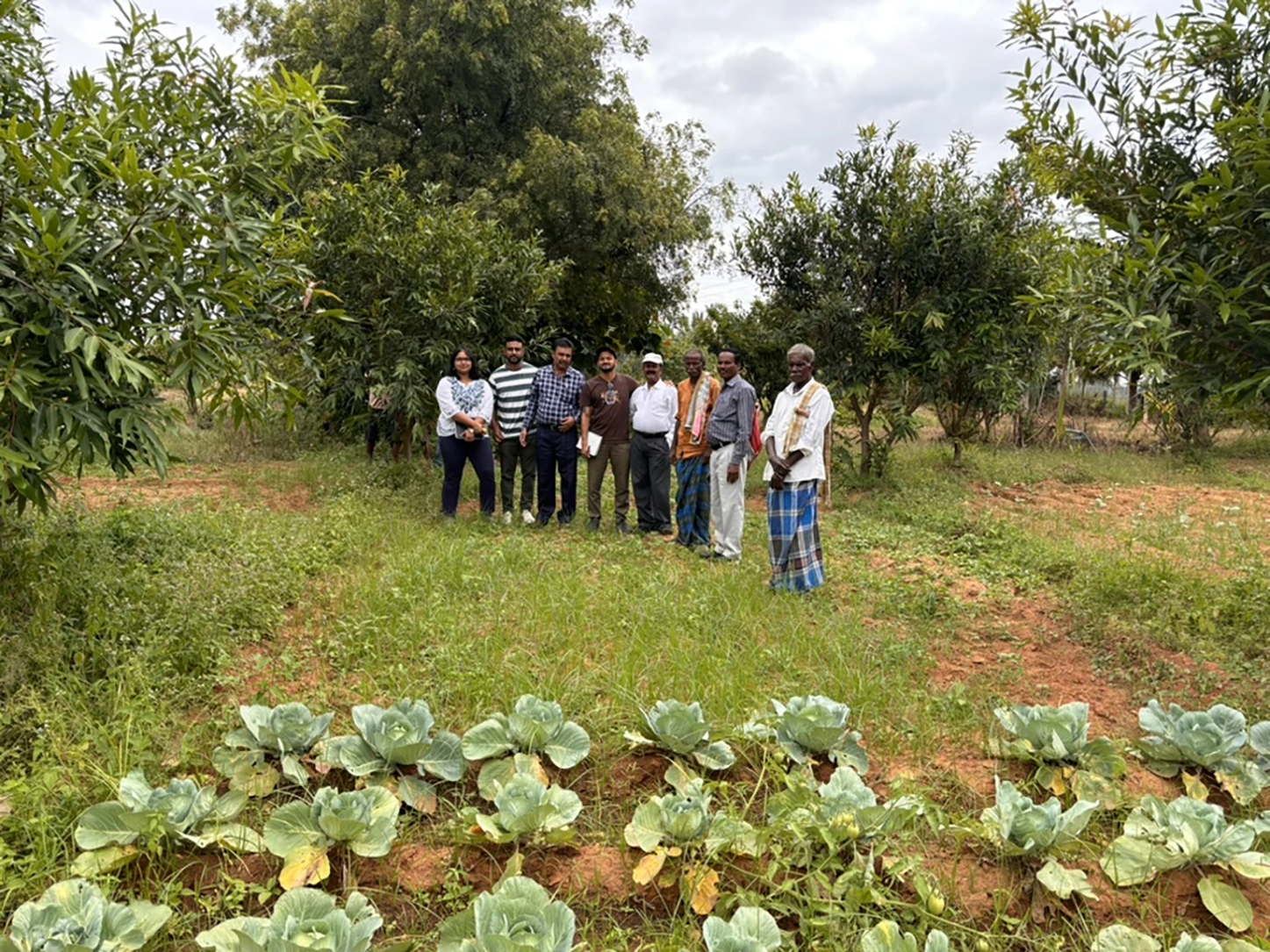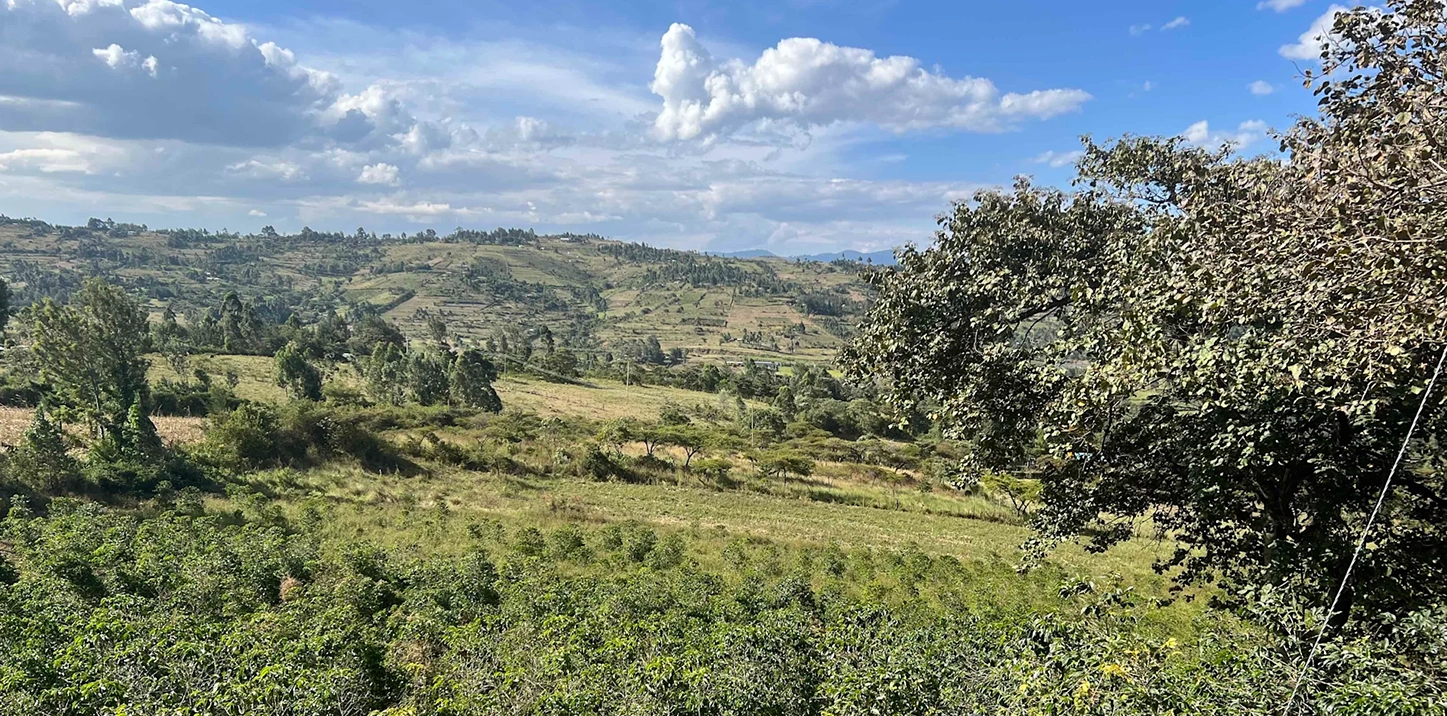

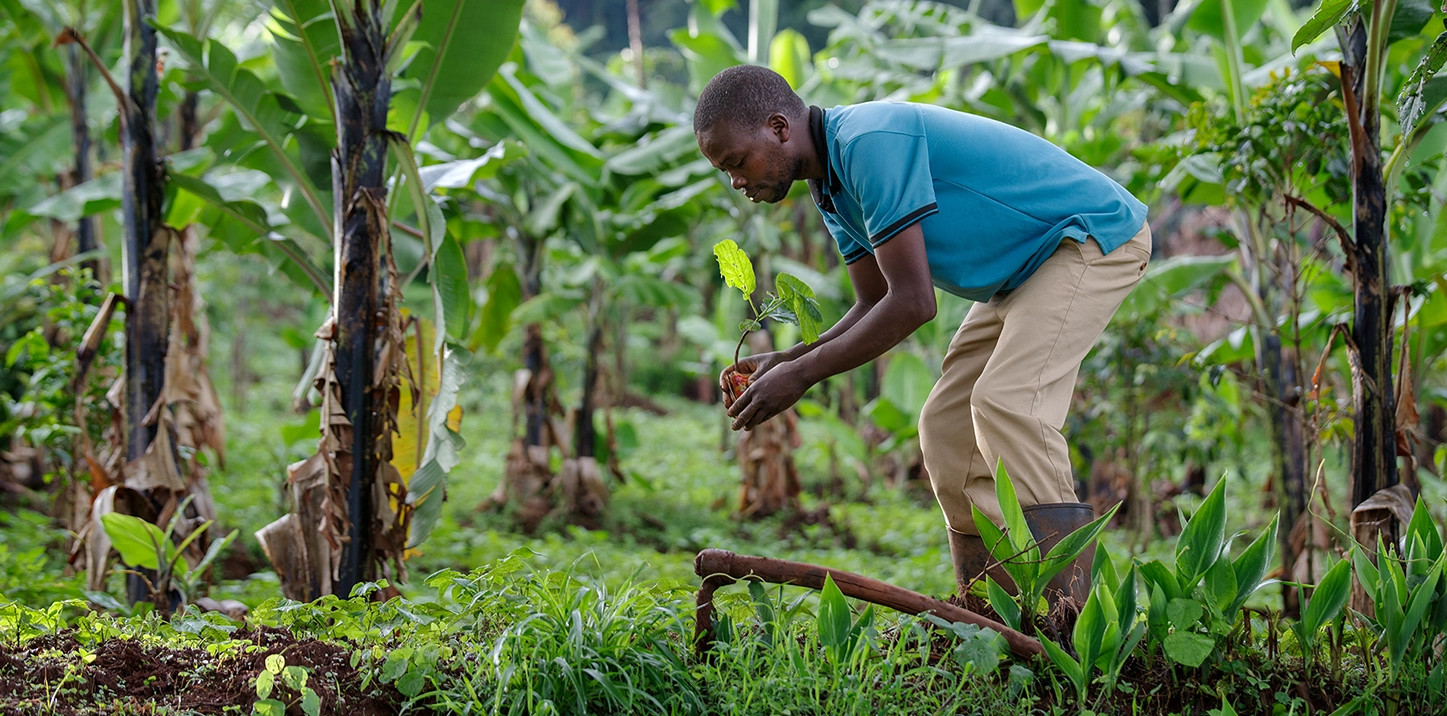
This Plan Vivo-certified Acorn project, run by our partner Solidaridad in Uganda, supports over 41,900 smallholder farmers in Arua, Gulu, Kasese, Masaka, Mbale, Mubende and Nebbi districts.
Poverty levels among Ugandan smallholder farmers ranges from 30 to 40%, with over 50% of family households having an income of less than 1 USD a day. Farmers significantly lack the income, resources, and capacity to develop agroforestry projects by themselves or as a community. Without project interventions, most farmers do not have sufficient finances to purchase tree seedlings themselves. A small minority of farmers in Uganda are able to afford these inputs. In addition to this financial barrier, participating farmers also technically challenged by a lack access to such planting materials and the necessary infrastructure for the implementation of the agroforestry practices and technology. Due to project intervention, farmers are supplied with the once inaccessible planting materials (tree seedlings/germplasm) in order to plant trees and continue their transition to an agroforestry system. The carbon credits that farmers receive will ensure they are able to afford the planting materials on their own and continue planting trees, throughout the first years of the Acorn project’s implementation phase, while successfully maintaining the first trees planted.
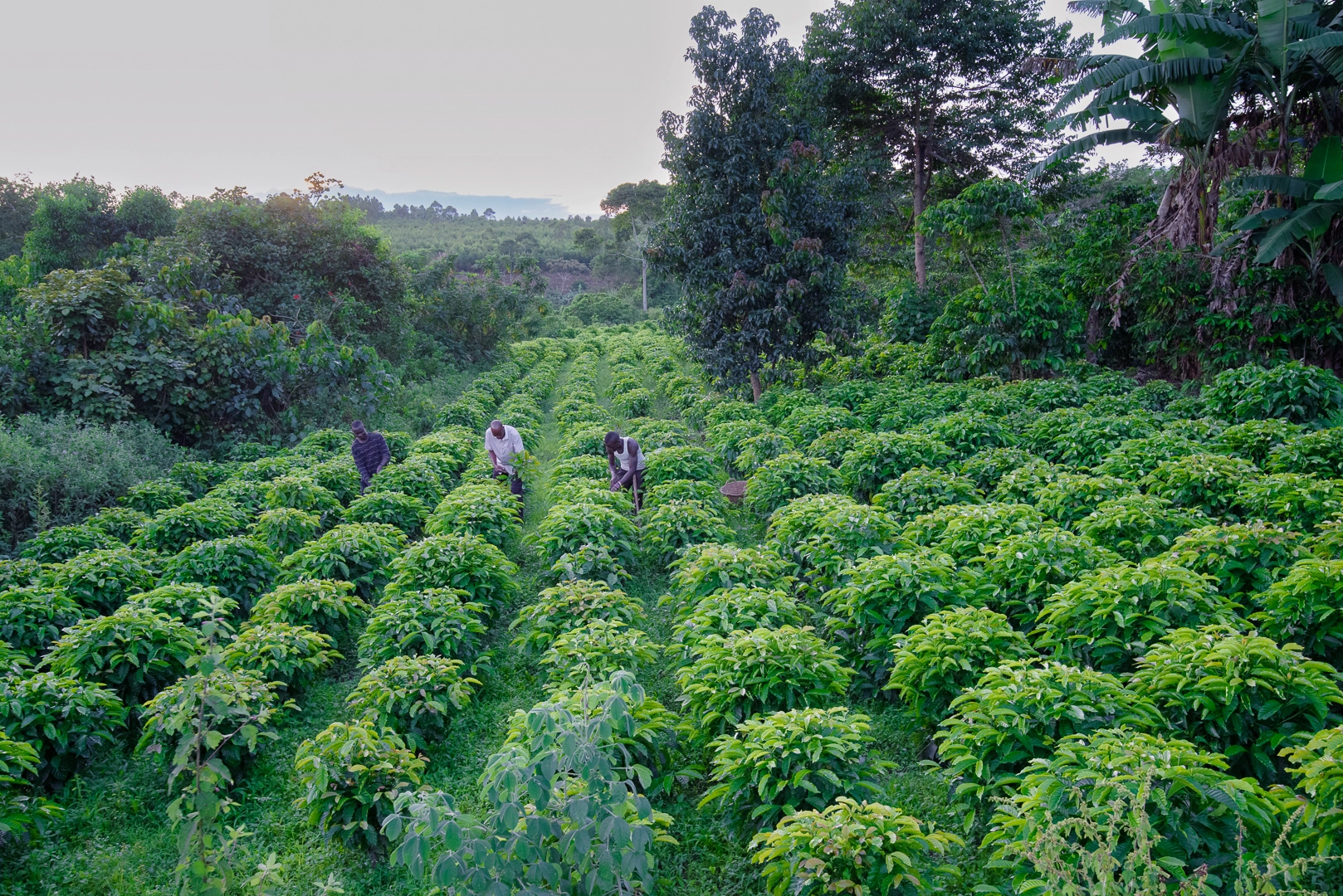
Solidaridad Network is an international civil society organisation established in 1969 that aims to create fair and sustainable supply chains. With 55 years of experience in developing solutions to make communities more resilient, they operate in over 40 countries worldwide to enable farmers, mines and workers to earn a decent income, shape their own future, and produce in balance with nature.
To further support Ugandan smallholder farmers, the Acorn project aims to increase the quality and productivity of farmer output, while improving food security from fruit trees that provide an accessible source of food. The expected increases in productivity and income diversification from project intervention can increase farmer income and their ability to afford a variety of nutritious food. Additionally, it seeks to help build farmer and crop resilience against the damaging effects of climate change, such as shade trees protecting from harsh weather conditions. The marketable products derived from the trees planted and the carbon credit received for sequestration will offer diversification in income streams and act as a buffer for farmers in times of financial hardship.
With Solidaridad providing farmers with agroforestry advice, ongoing capacity development and sensitization, planting materials, and the necessary infrastructure for the implementation of the agroforestry practices, the project is well underway. The carbon credits that farmers will receive will allow them to afford the necessary materials needed for the long-term maintenance of their agroforestry system. An agroforestry system that will in turn support farm biodiversity due to the planting of diverse shade and fruit trees among coffee crops that provide a suitable habitat for local species and pollinators.
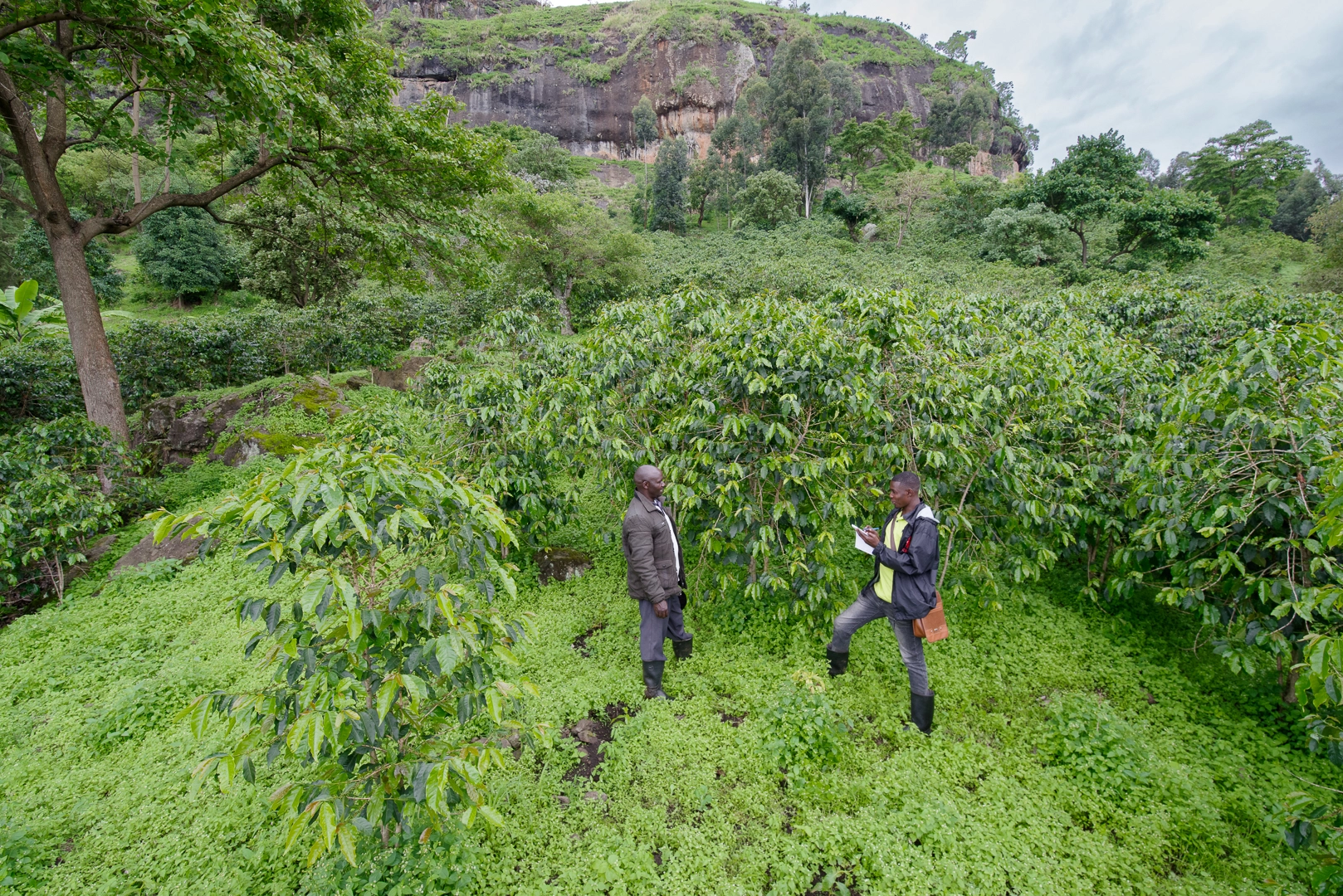
The project has already undertaken the following activities:
Click the links below to download the project's certification documents.