COMACO Zambia
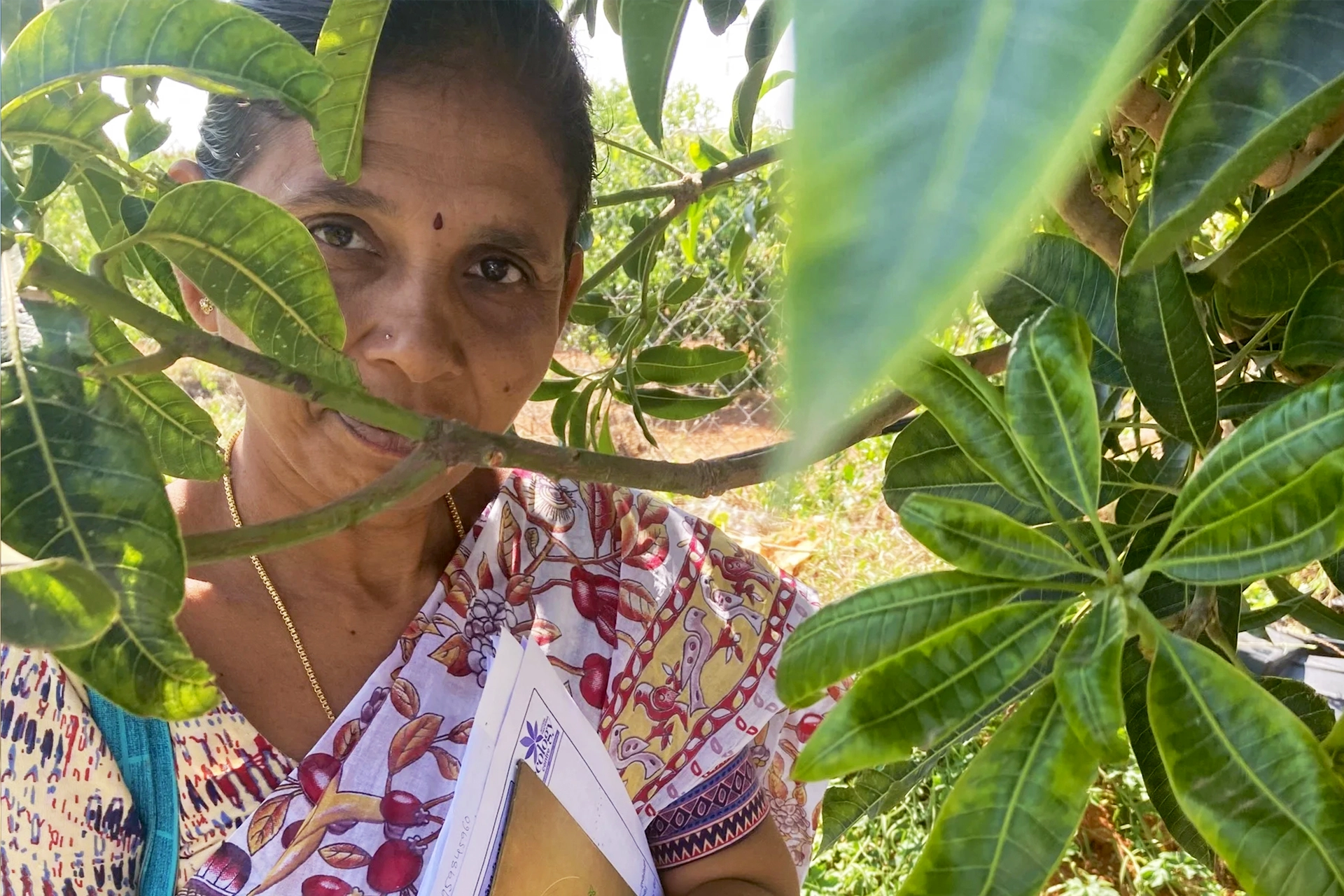
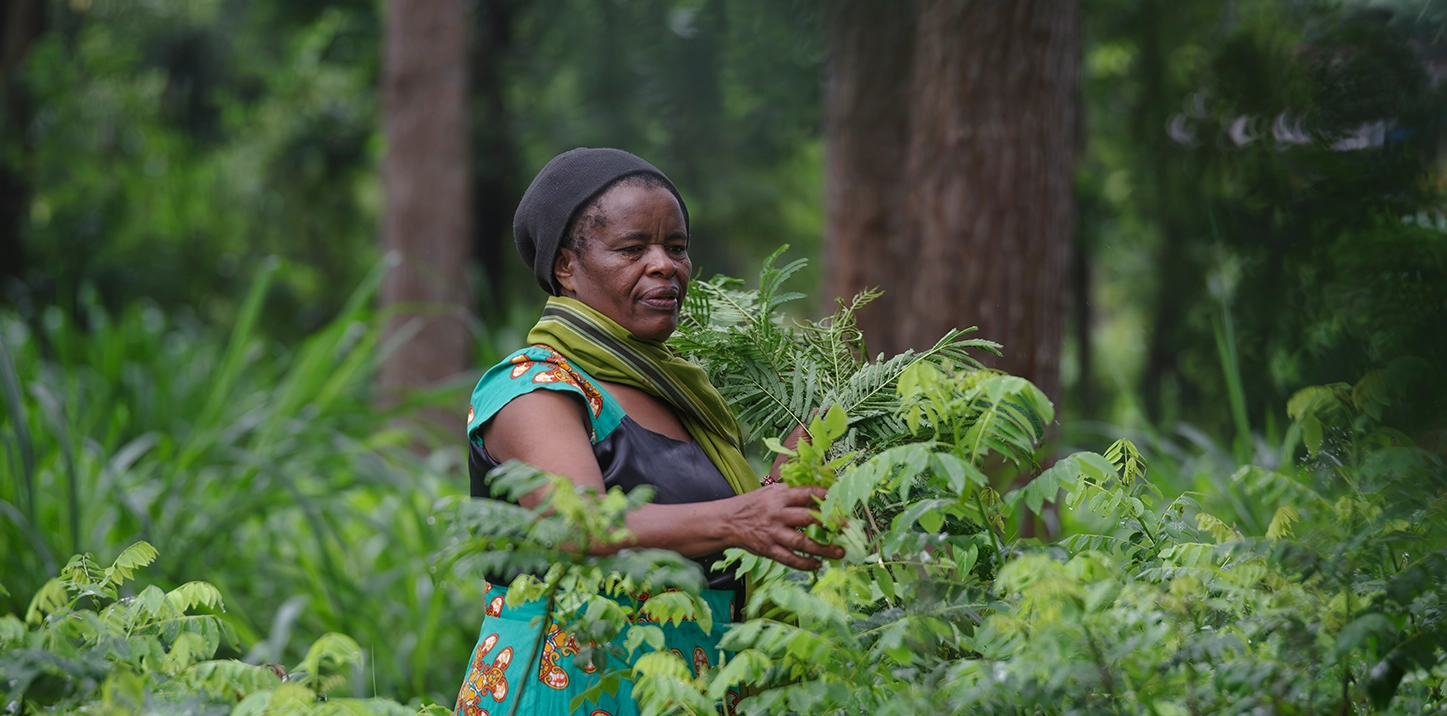
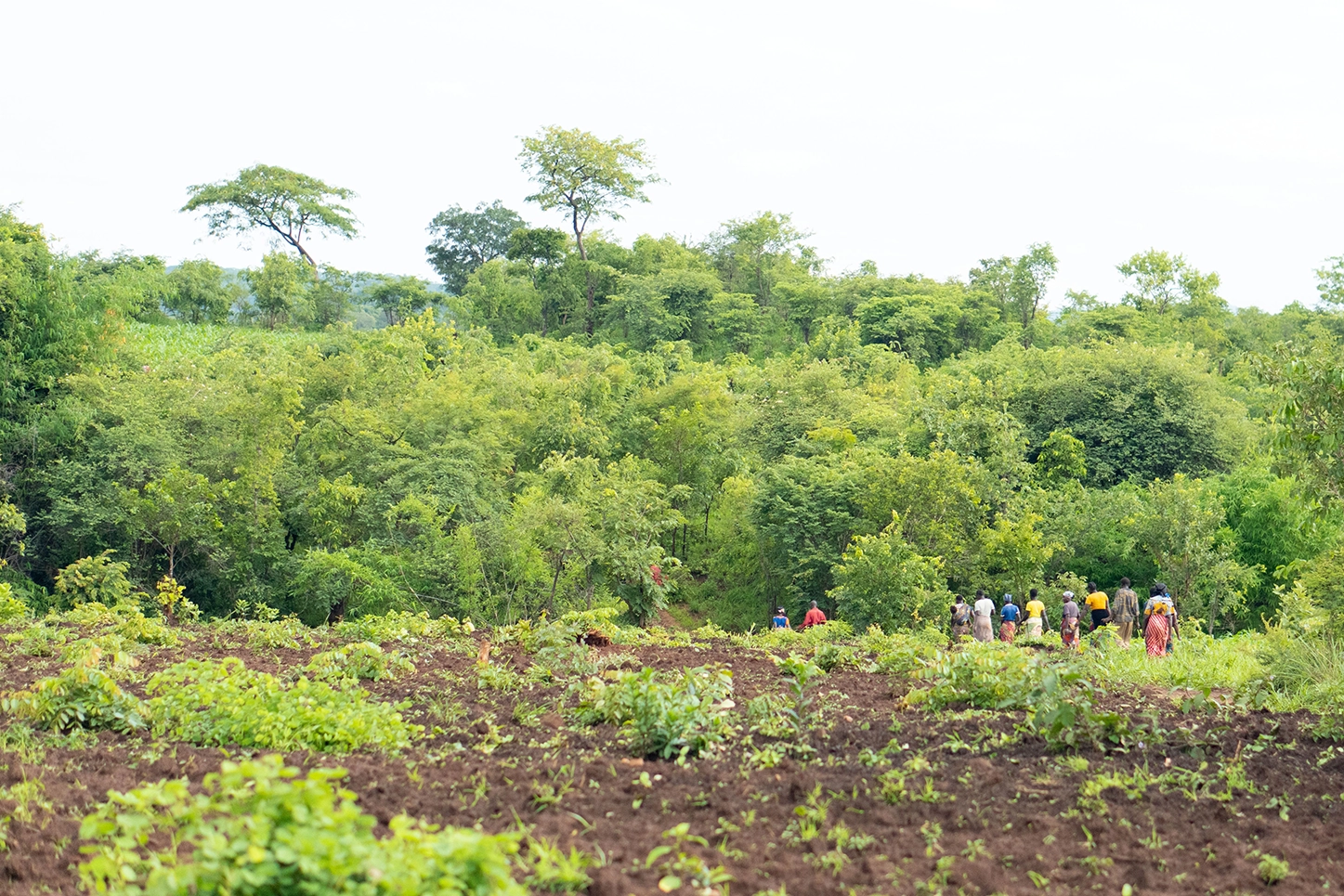
In Zambia, we are partnering with Community Markets for Conservation (COMACO)to support over 112,000 smallholder farmers as they integrate agroforestry systems on their land.
- Africa
- Acorn Methodology 1.0
- In development
Project Results

112,004
Farmers supported
0
CRUs issued
79,985
Hectares covered
Why this project matters
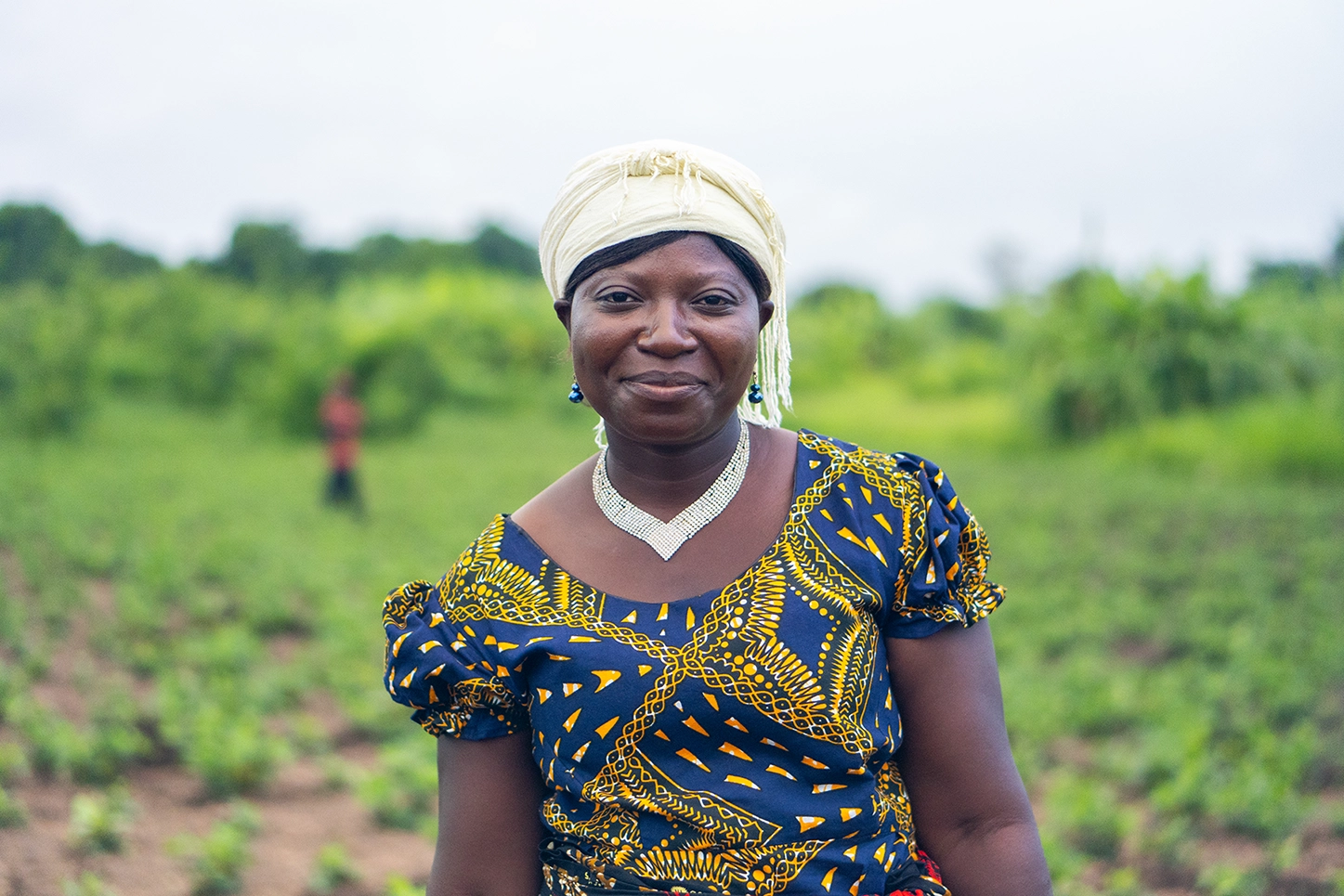
For Zambia’s smallholder farmers, agriculture is not just a livelihood, it is survival. Yet, many are working harder each year for diminishing returns. Soils have been depleted after repeated cultivation, rains are less predictable, and access to quality inputs, finance, and extension support remains limited. Poor producer households in rural areas have experienced lower yields, rising vulnerability to climate shocks, and increased pressure on their land and forests. For women in particular, who make up a large share of the agricultural workforce, these challenges often mean more labor with fewer economic gains, reinforcing cycles of poverty and food insecurity.
The Acorn agroforestry‑carbon program, implemented with COMACO, directly responds to these realities by putting farmers at the center of the solution. By planting fast-growing, nitrogen‑fixing trees such as Gliricidia sepium alongside crops, farmers can restore soil fertility, improve moisture retention, and stabilize yields over time—reducing their dependence on costly external inputs. At the same time, integrating fruit and native trees creates new sources of food and income, while carbon finance provides an additional, performance‑linked revenue stream that rewards long-term stewardship of the land. With many farmers already adopting climate‑smart practices through COMACO’s network, this model enables smallholders to transition from subsistence and vulnerability toward more resilient, diversified, and investable farming systems—improving household incomes while regenerating the natural assets their future depends on.
Project impact
The project has already undertaken the following activities:
Agroforestry designs created
Training sessions by lead farmers for their local community
Farmer onboarding and community engagement
Seedlings distributed
Send us a message
Offset your carbon emissions and join our impact.
SDGs
Page last updated September 17, 2026