Solidaridad Nicaragua
In Nicaragua, we are working with Solidaridad and Centro Internacional de Agricultura Tropical to empower cocoa and coffee smallholder farmers to improve their livelihoods through climate resilient farming systems.
- Latin America
- Acorn Methodology 1.0
- Validation Ongoing
Project Results

11.640
Farmers supported
37.482
CRUs issued

25.350
Hectares covered
Why this project matters
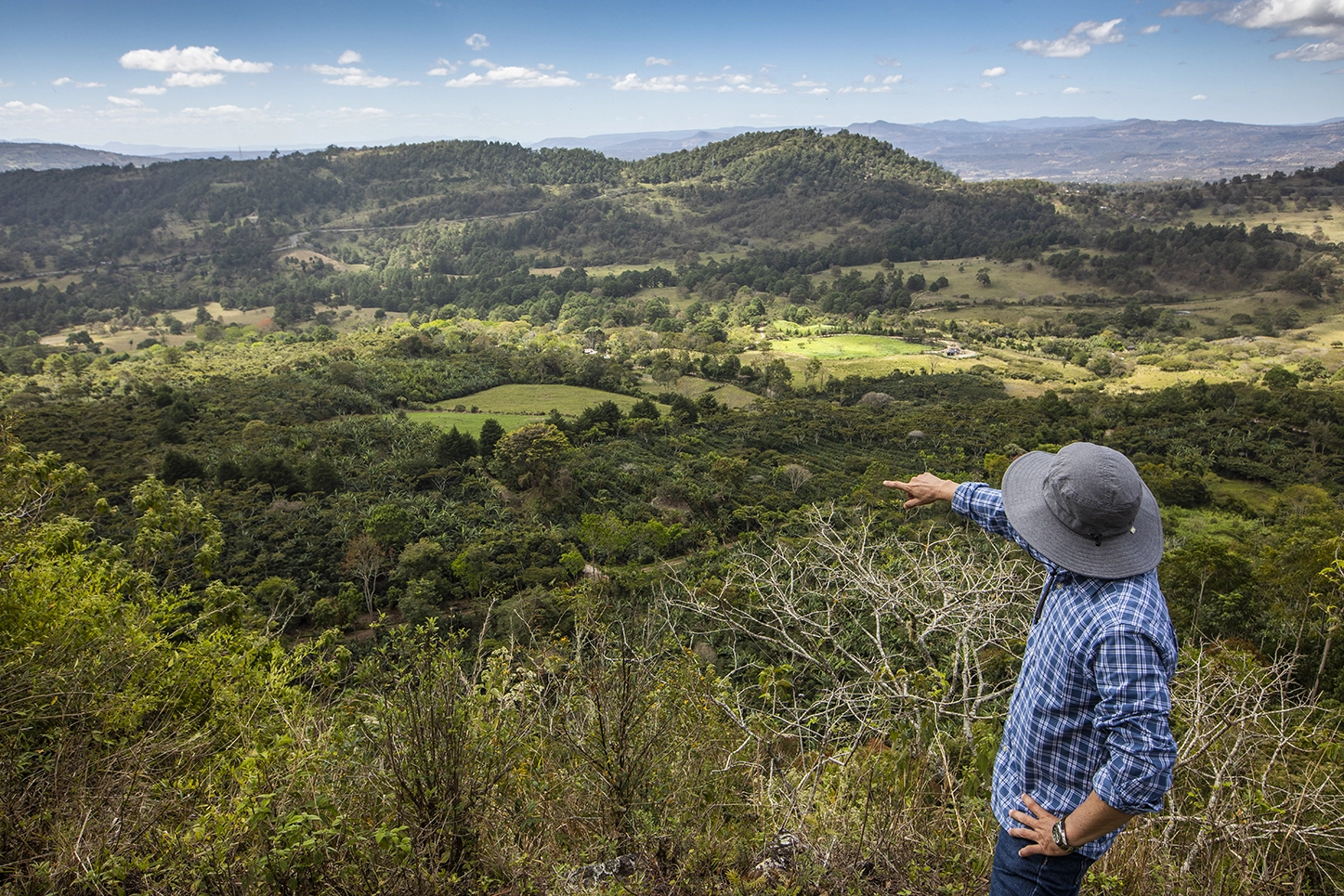
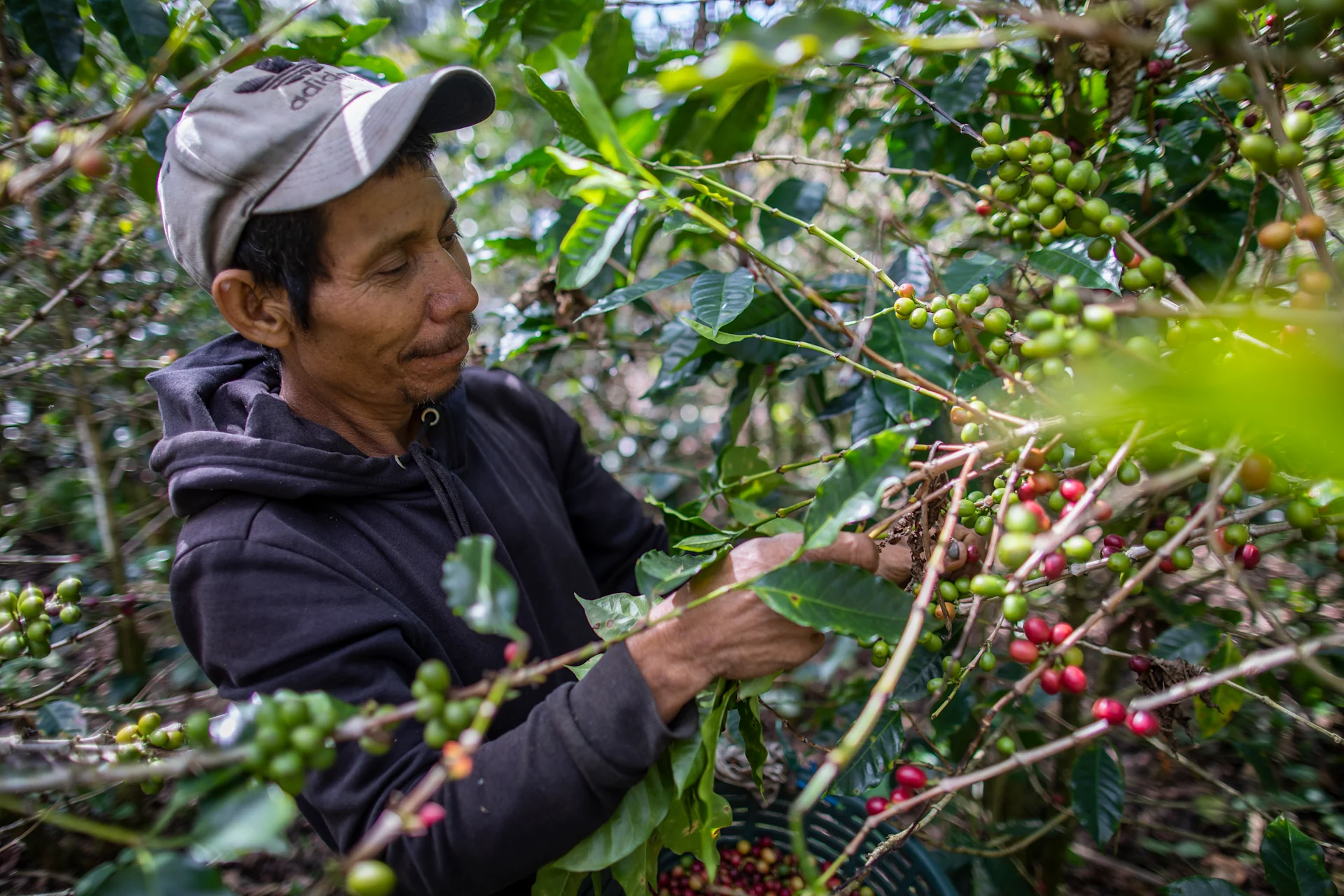
Rural communities in Nicaragua’s coffee regions of Jinotega and Matagalpa depend heavily on coffee for income, yet face persistent poverty and growing climate risks. The shock of the 2012–2013 coffee leaf rust epidemic still defines the region: in some areas, the disease wiped out large shares of production, with many farmers losing most of their yields and forced into a slow, costly recovery through replanting. Today, even as global coffee prices have reached recent highs, farmers struggle to benefit, facing rising input costs, labor shortages, and higher wages that have significantly increased the cost of production. For many, profitability remains fragile, and the risk of falling back after the next climate or disease shock is ever-present.
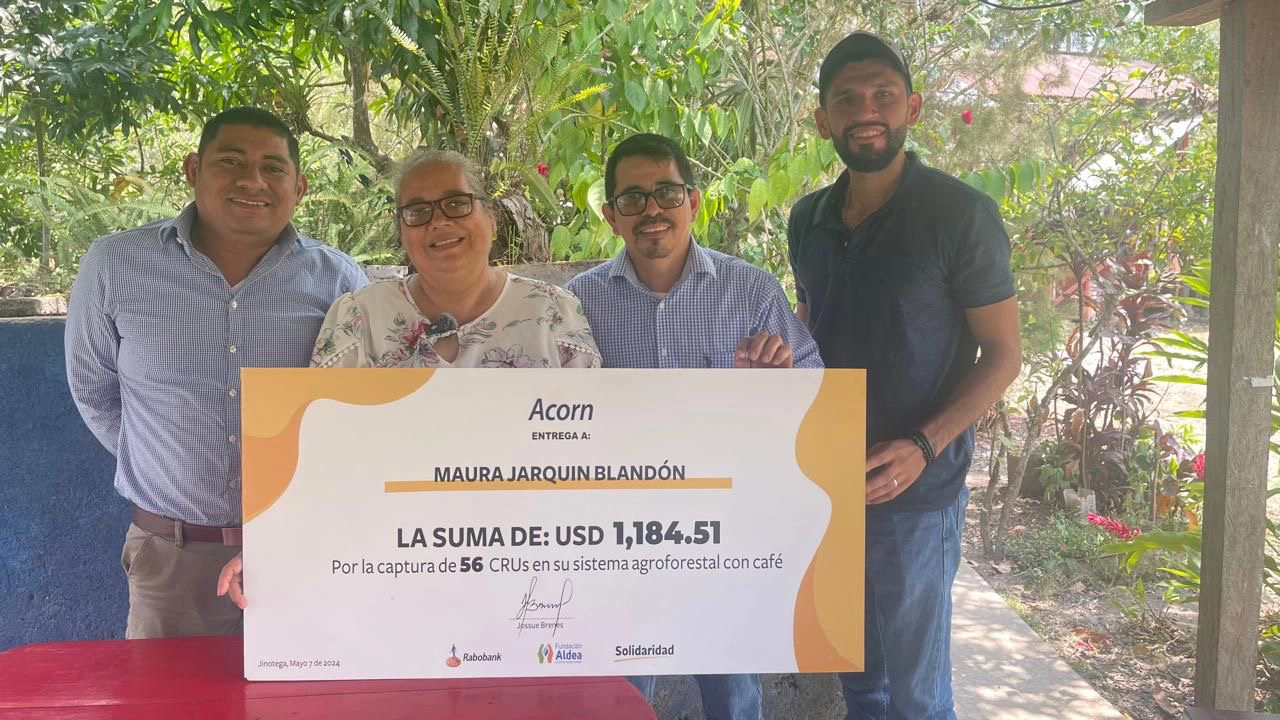
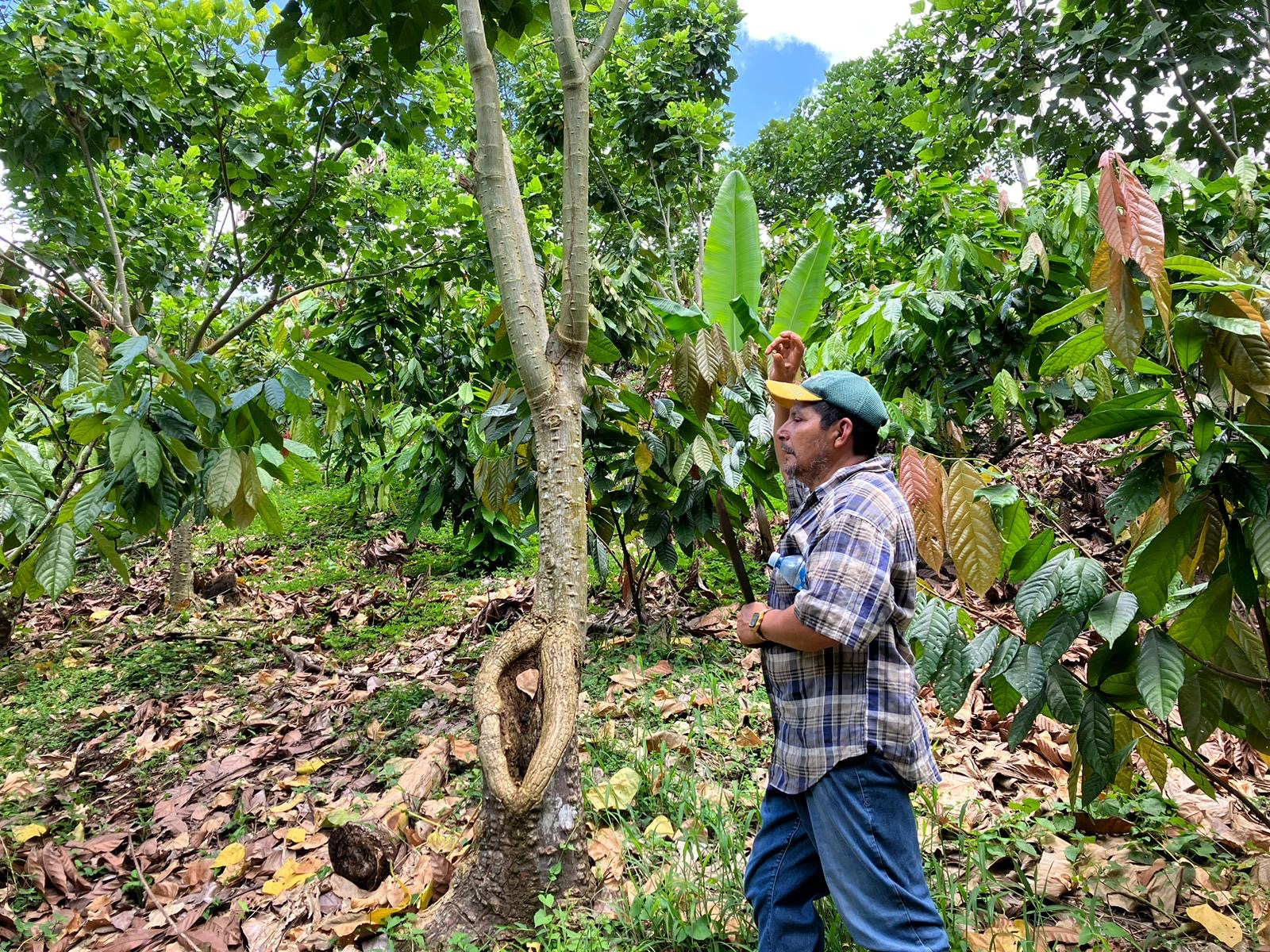
Our work with Solidaridad in these regions responds directly to this reality by enabling farmers to redesign their farms for resilience. By integrating agroforestry systems, farmers can protect their soils, regulate microclimates, and reduce their exposure to pests, diseases, and extreme weather. Crucially, carbon finance makes this transition viable: it helps farmers cover the costs of seedlings, inputs, and training, while also creating a new income stream linked to long-term carbon sequestration. Together, these interventions provide both a financial and environmental safeguard, enabling farmers to build more stable, diversified livelihoods—improving productivity today while strengthening resilience for the future.
Project impact
The project has already undertaken the following activities:
Selection of tree species based on technical discussions and input from farmer groups, cooperatives, and associations.
Capacity building through a training‑of‑trainers approach, ensuring that technical knowledge is effectively cascaded to farmer groups.
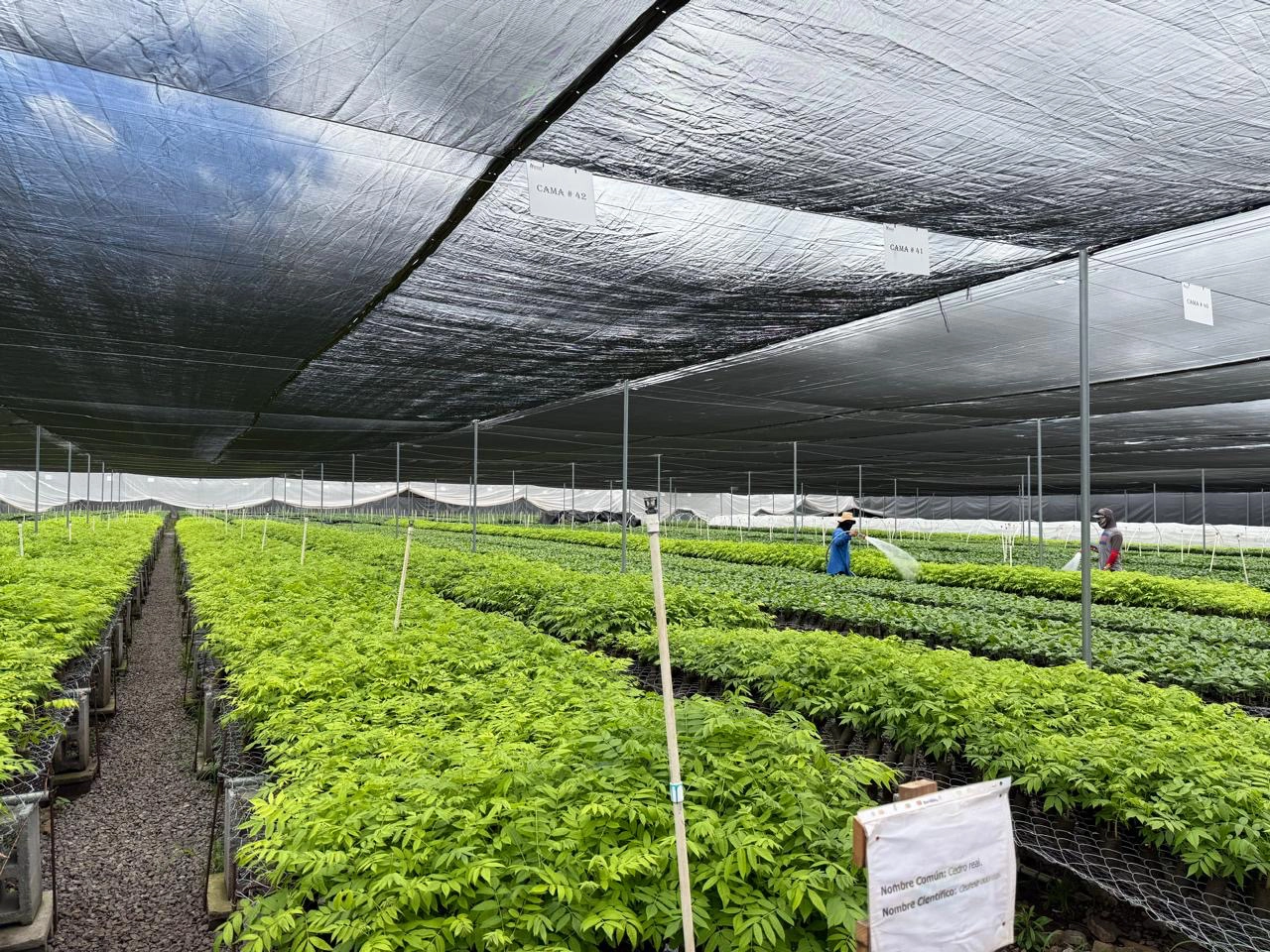
Selecting nurseries following strict criteria to ensure high‑quality planting material
Send us a message
Offset your carbon emissions and join our impact.
SDGs

Page last updated September 17, 2026