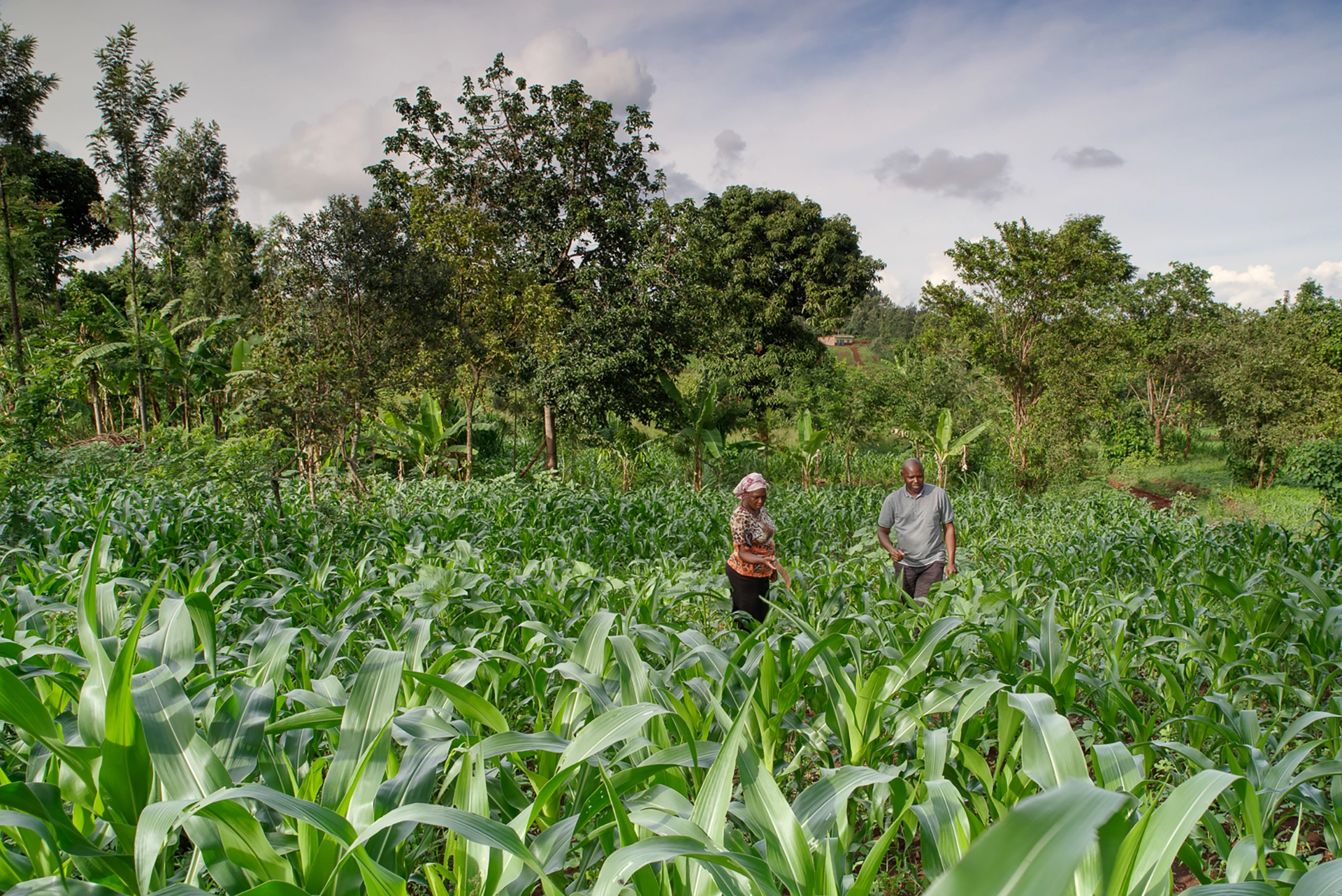

This Plan Vivo-certified Acorn project, run by our partner Farm Africa in Kenya, supports over 18,500 smallholder coffee farmers in Embu and Tharaki Nithi Counties.
The smallholder farmers in the project area are low-income earners as they dedicate their practices to subsistence agriculture, a value chain associated with low-income generation. Roughly half of the participant farmers have a low or insufficient access to resources and financial state. In addition, approx. 20% of Embu County’s residents have no formal education, and participants cannot afford the entire amount necessary for education for themselves or their families.
The land in the project area is severely affected by frequent droughts which severely reduce per capita food production. Adverse effects of climate change have also led to a continuous decline in soil fertility, and ultimately, in productivity and income levels. An estimated 12 million people (UNEP 2009) of the country’s population depend directly on land, and as the population continues to grow, resources are expected to become increasingly degraded unless urgent measures are taken. The lack of financial capital inhibit farmers from purchasing planting materials, and the lack of knowledge on the appropriate species to use in an agroforestry design, makes a successful transition to agroforestry on the farmer-level difficult without external support.
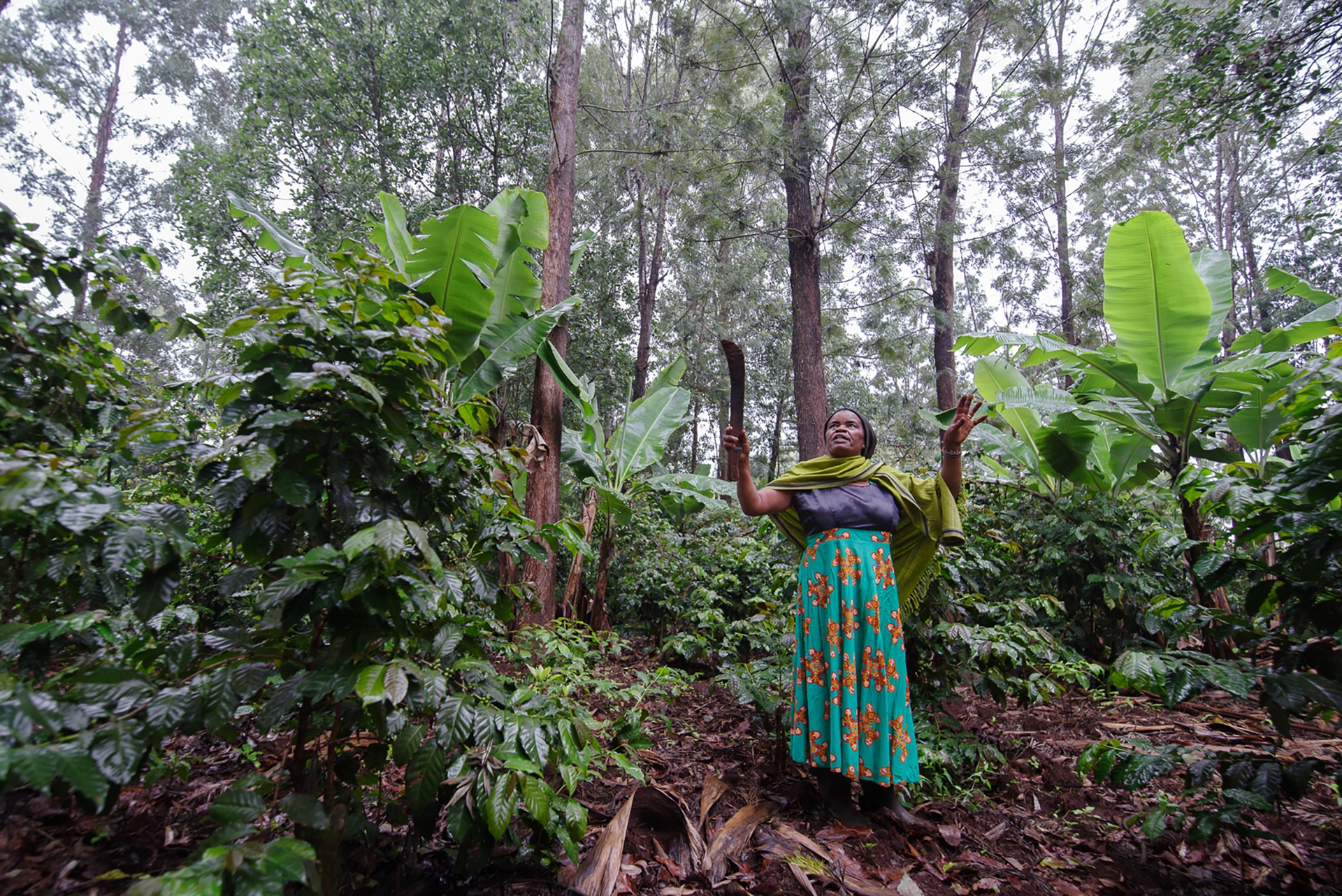
Farm Africa is an NGO specializing in growing agriculture, protecting the environment, and developing businesses in rural Africa. Located in Embu and Tharaka Nithi County, this project aims to incentivize regenerative agriculture project farmers to adopt an agroforestry system. Farmers’ needs and baselines were assessed in September 2020 through in-person farmer interviews. During these assessments and meetings, farmers raised the issue of needing income diversification and a financial incentive for planting trees. Farm Africa subsequently investigated and sought out carbon finance with Acorn.
In the past, farmers would travel long distances to acquire seedlings and obtain low-quality materials that are not true to type. Farmers also struggled with low purchasing power for fertilizers and organic manure in the drylands where livestock keeping isn’t a dominant livelihood activity.
With the Acorn project, farmers are set to benefit through income-generating activities including fruit trees and agroforestry nurseries and the sale of surplus mature fruits. Smallholder producers in project regions will also earn extra income from their carbon credits and sale of produce from their agroforestry systems, including bee products like honey. This can help provide them with a financial buffer, and prevents logging in times of severe financial hardship.
From an eco-system standpoint, indigenous plant species have been on the decline, while exotic and common species are on the rise. This means that availability of wild resources that people value, like food plants, medicinal plants, and other traditional plant resources, is declining. This project aims to strengthen local and indigenous biodiversity, for example by planting flowering trees that flower at different seasons of the year, to attract pollinators. The farmers will set up beehives on the farms to house said bees, also gaining access to honey as a food and revenue stream.
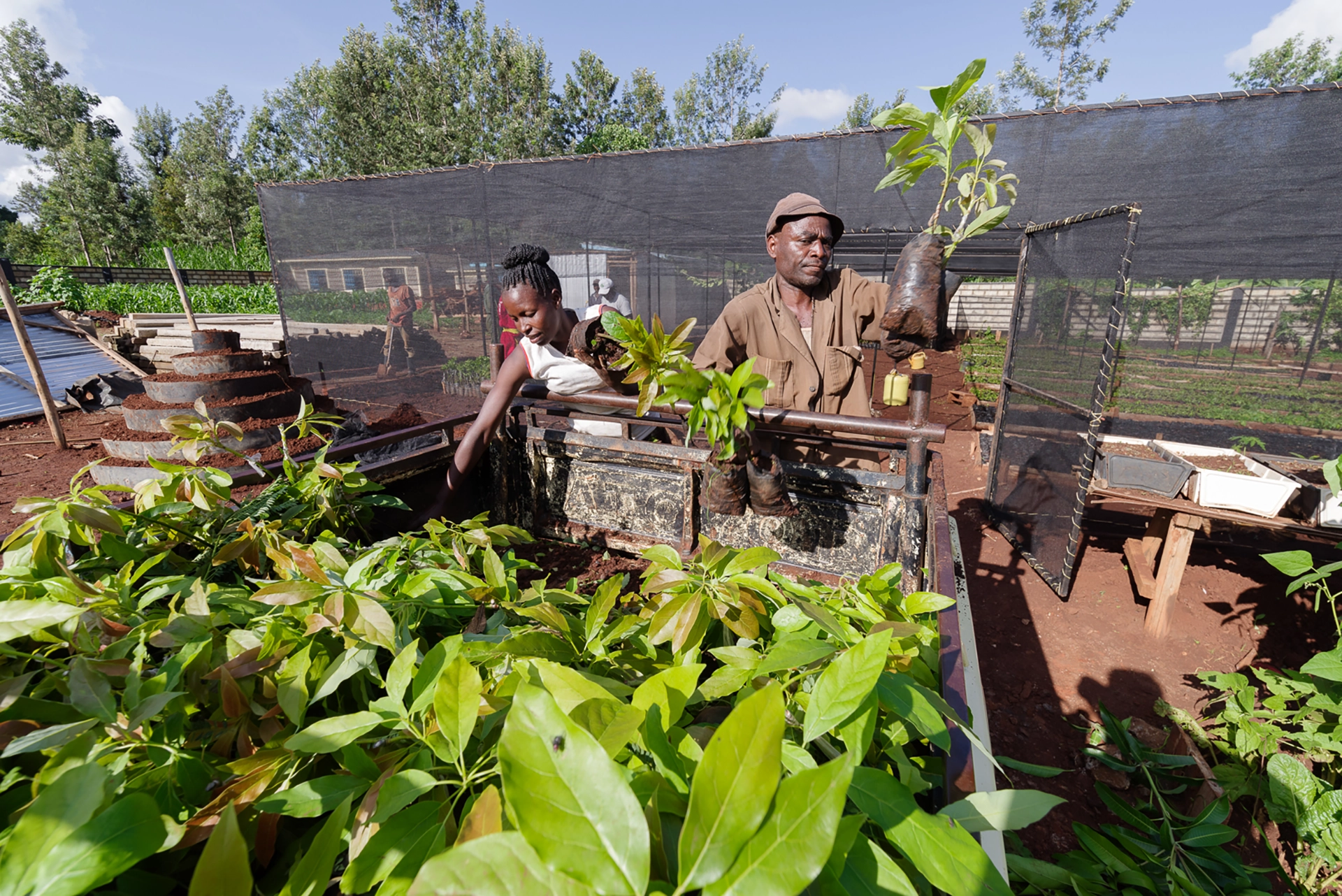
The project has already undertaken the following activities:
Click the links below to download the project's certification documents.