Ministry of Food and Agriculture Ghana
We are working with Ghana’s Ministry of Food and Agriculture to enable its smallholder farming communities to strengthen their cashew value chain with agroforestry practices.
- Africa
- Acorn Methodology 1.0
- In development
Project Results
21.734
Farmers supported

0
CRUs issued

44.498
Hectares covered
Why this project matters
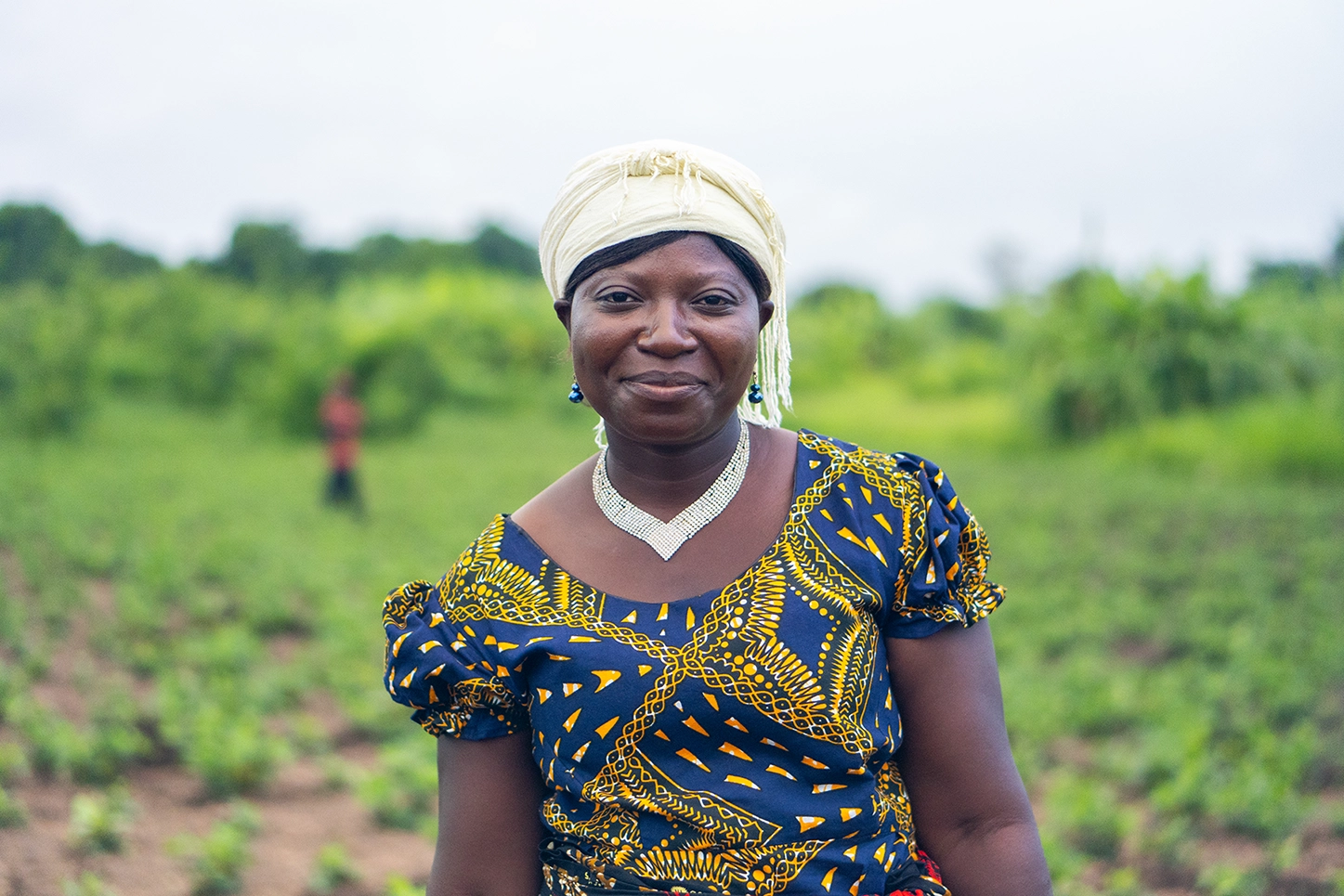
In Ghana’s forest–savanna transition zone, smallholder farmers rely heavily on cashew as their primary cash crop, with the sector supporting hundreds of thousands of rural households. Yet despite its economic importance, poverty and vulnerability remain widespread. Limited access to resources, extension services, and stable market pricing continues to constrain farmer incomes and broader development outcomes, such as education and healthcare. Climate change is already intensifying these challenges, with reduced yields and household incomes. Together, these factors leave rural communities highly exposed to livelihood shocks and long-term environmental degradation.
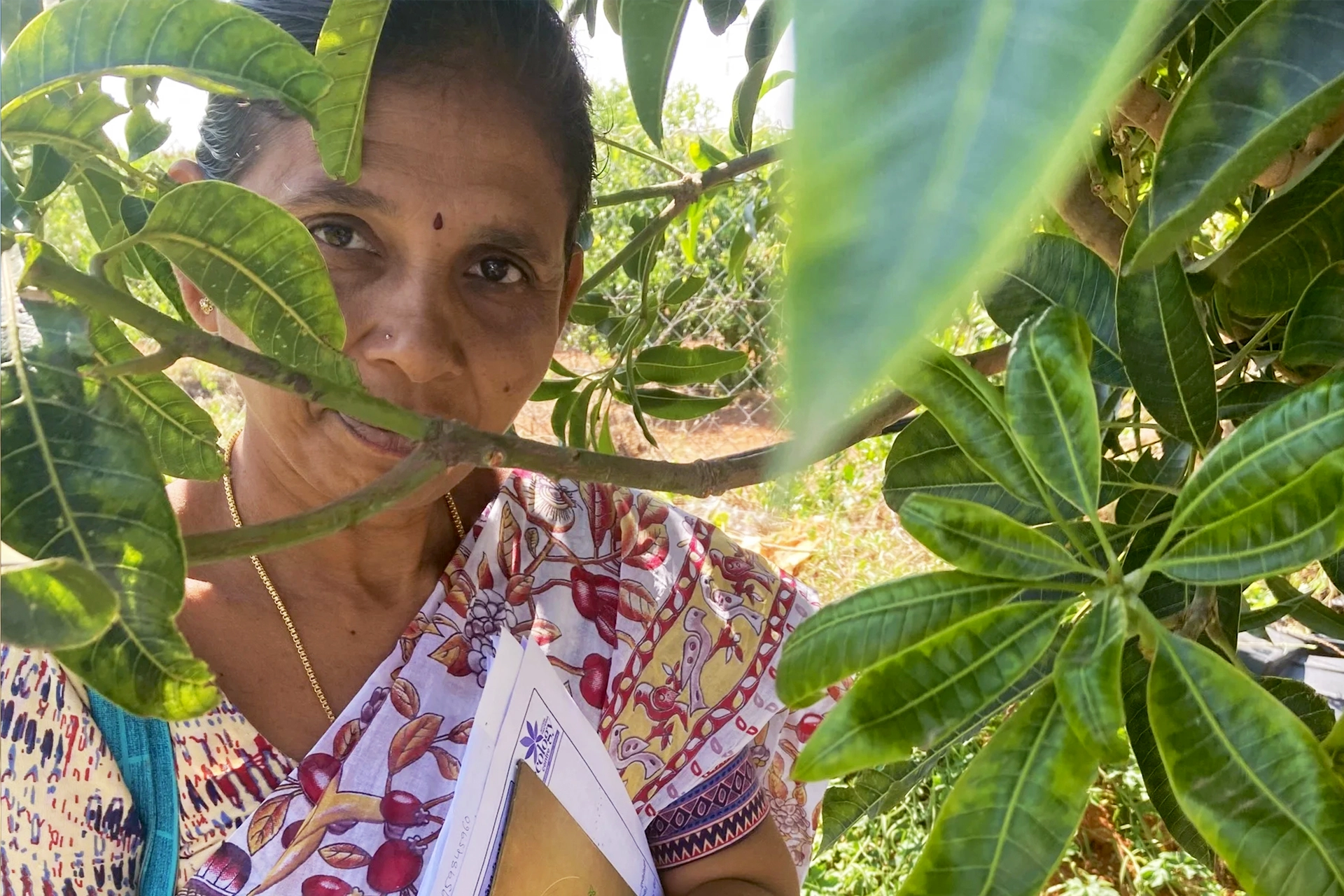
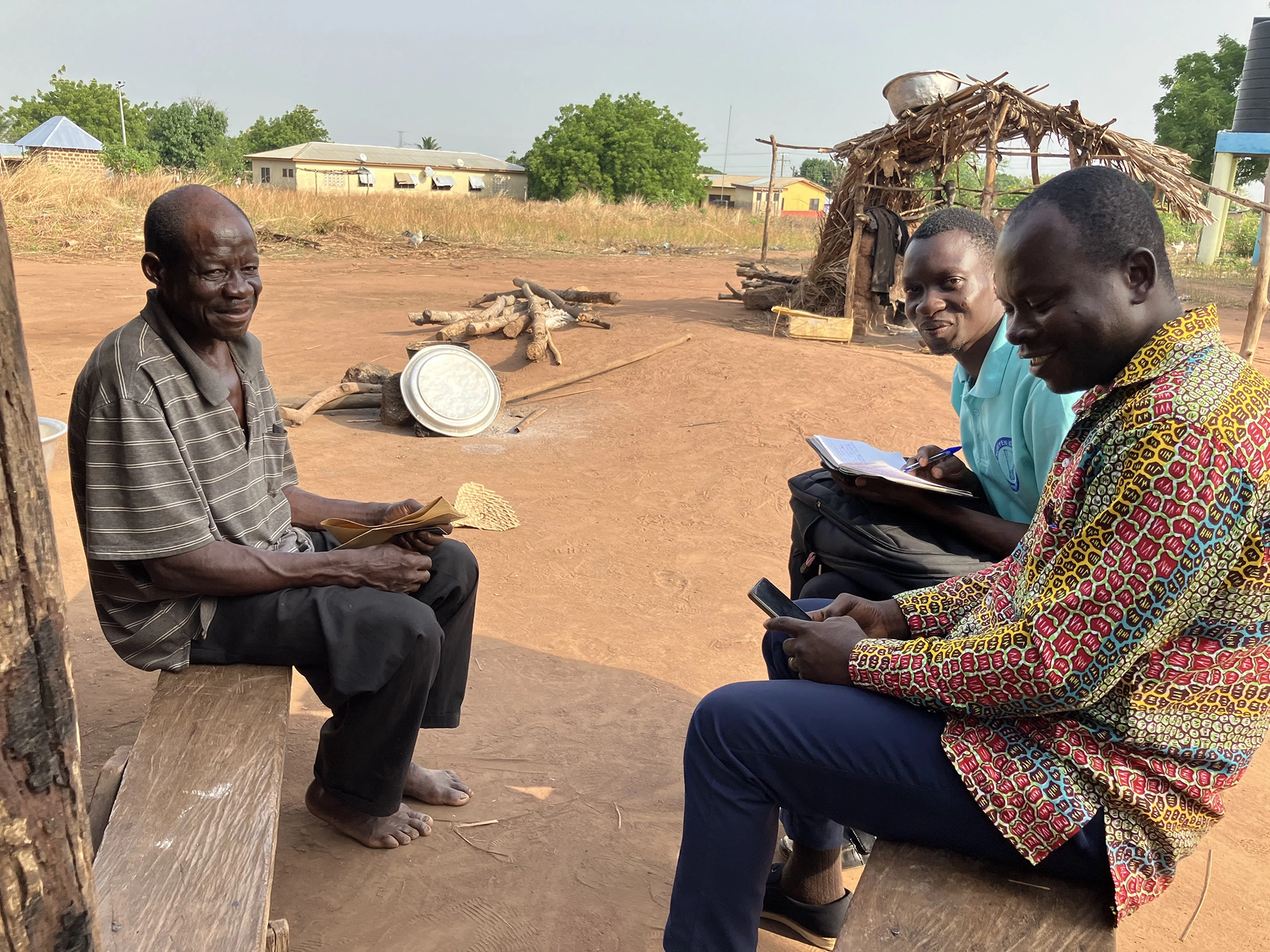
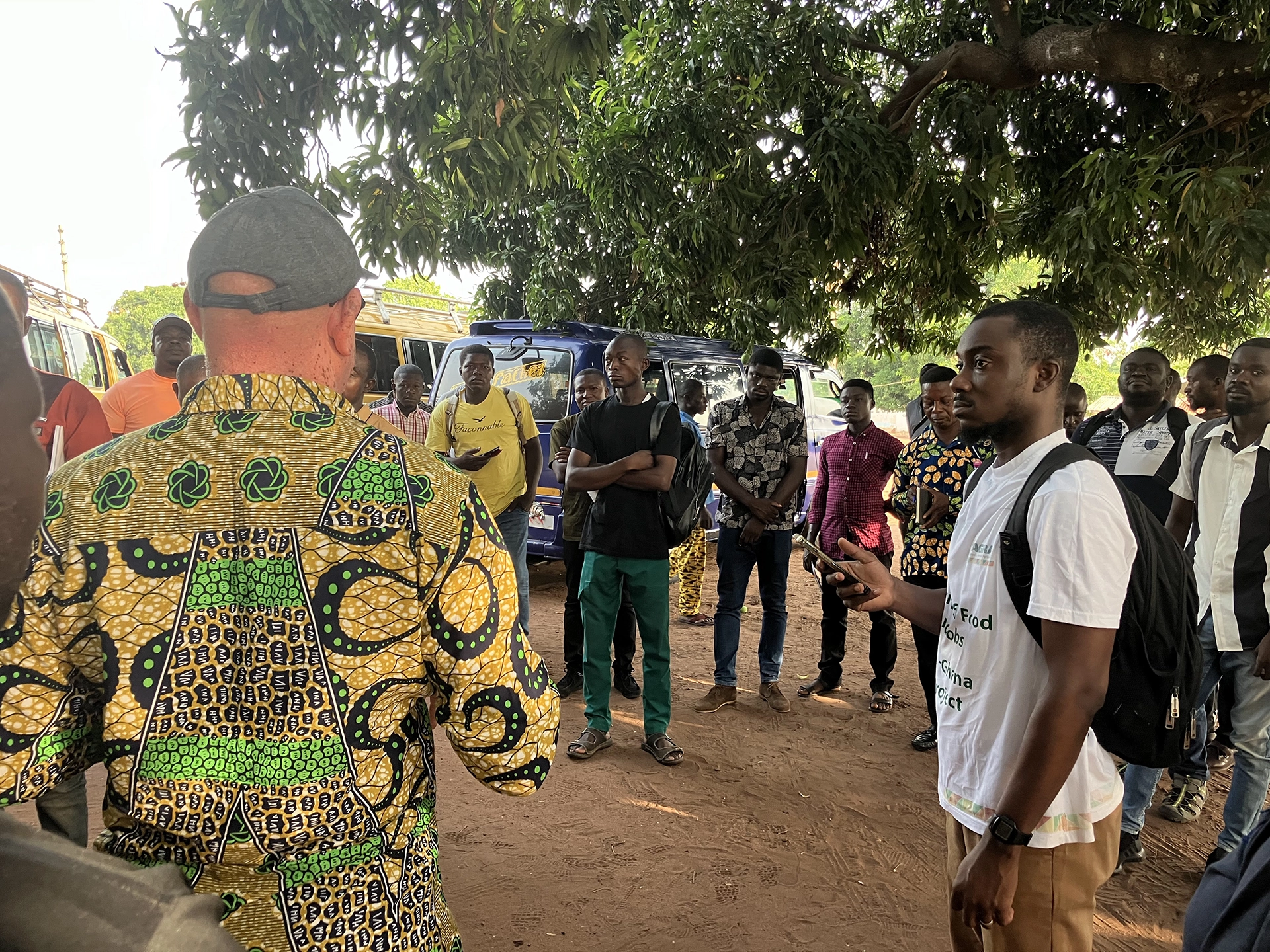
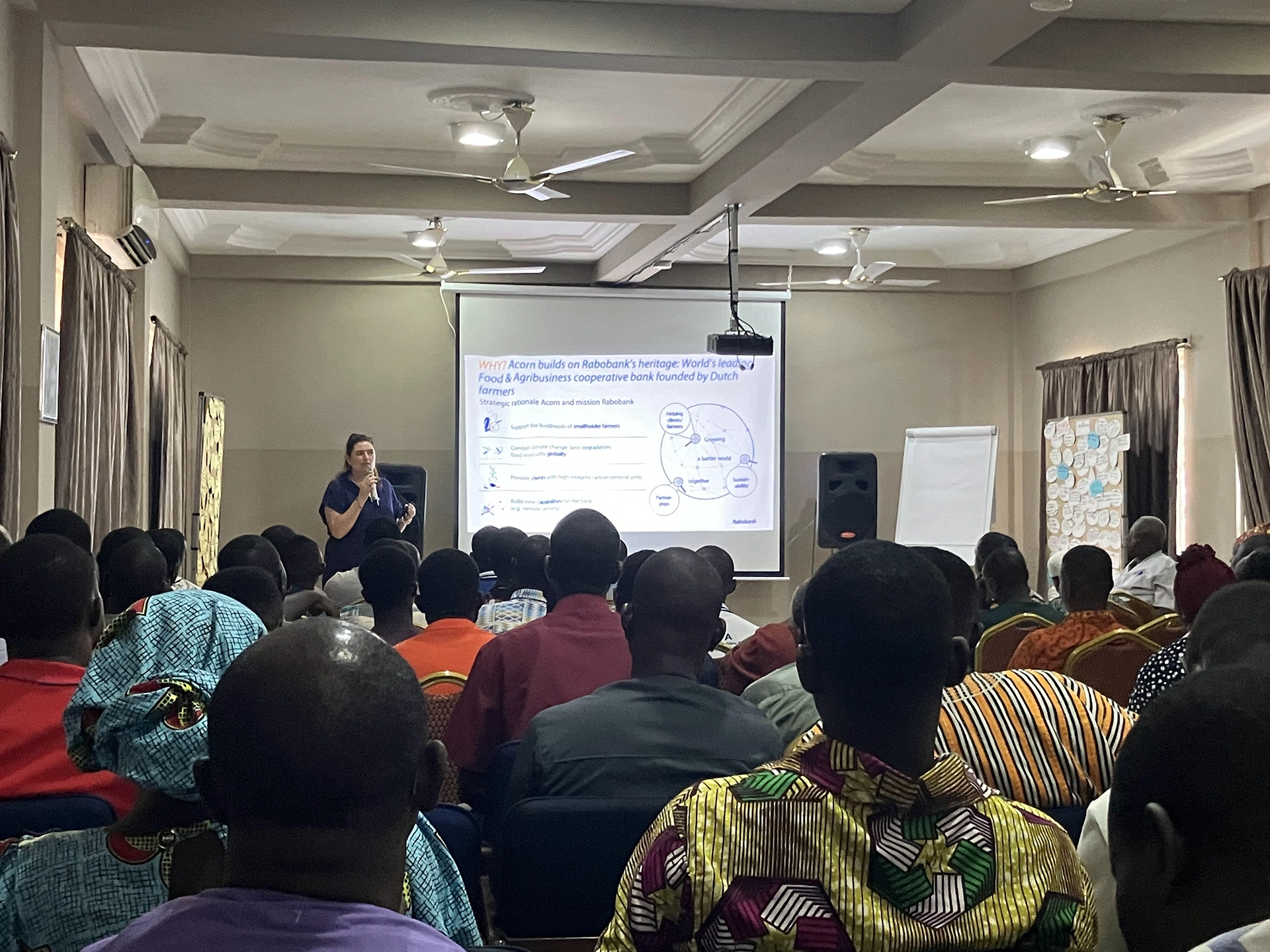
Working closely with farming communities, our project with MOFA and Deutsche Gesellschaft für Internationale Zusammenarbeit (GIZ) under the ComCashew initiative enables cashew smallholders to adopt agroforestry systems that combine cashew with crops, such as mango and moringa—restoring soils, strengthening resilience, and creating more diverse income streams. By building on local knowledge and improving access to planting materials and training, the approach enables farmers to sustainably rebuild both their land and their livelihoods.
Project impact
The project has already undertaken the following activities:
Agroforestry design developed
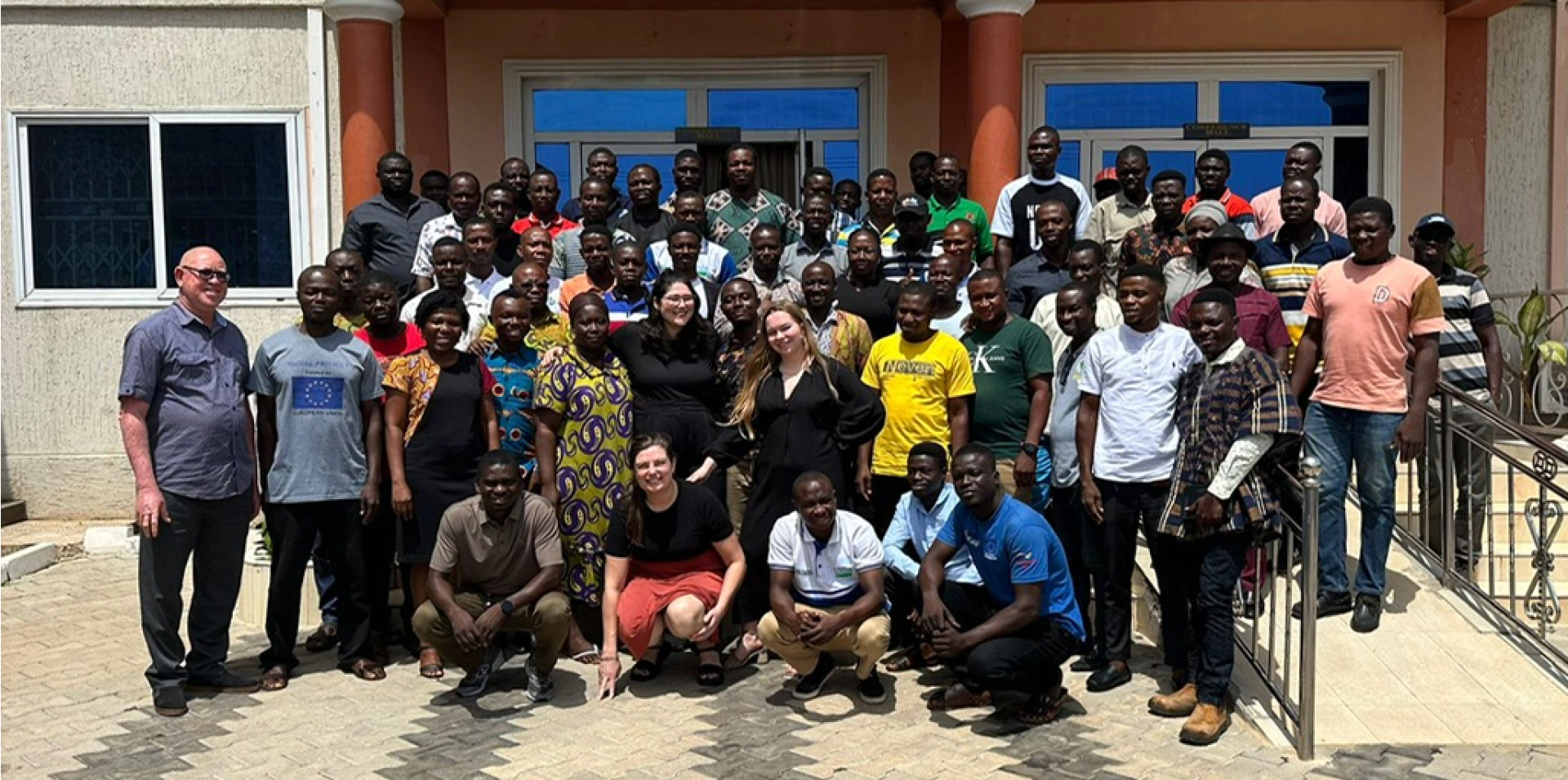
First training sessions by lead farmers for their local community
Seedlings distributed
Send us a message
Page last updated September 17, 2026