KEGRA Uganda
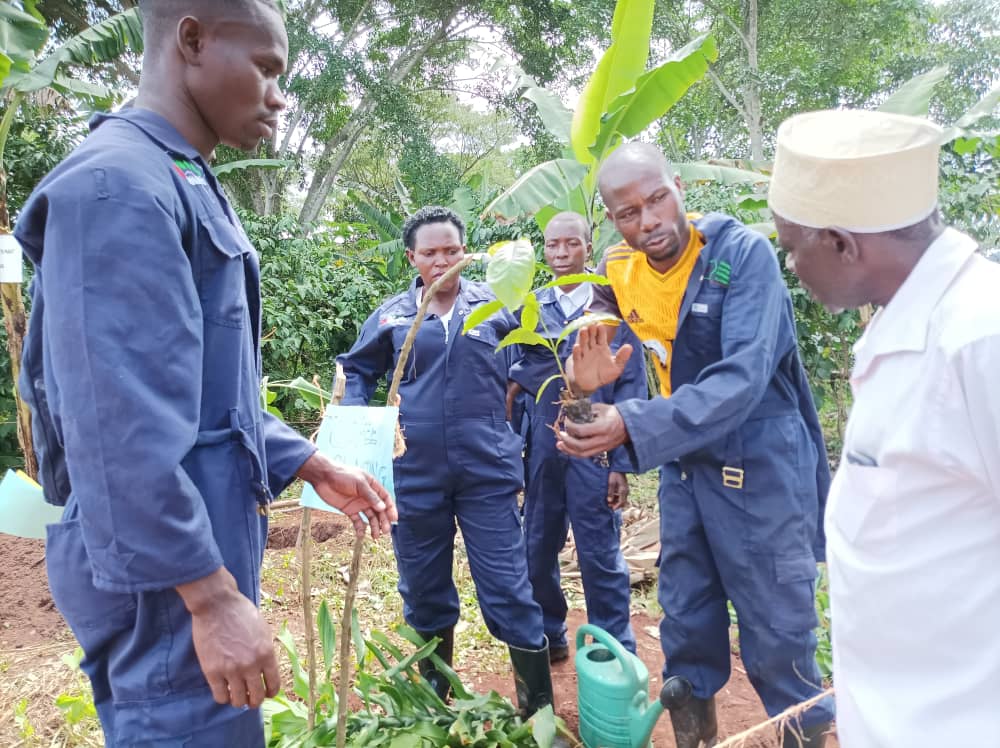
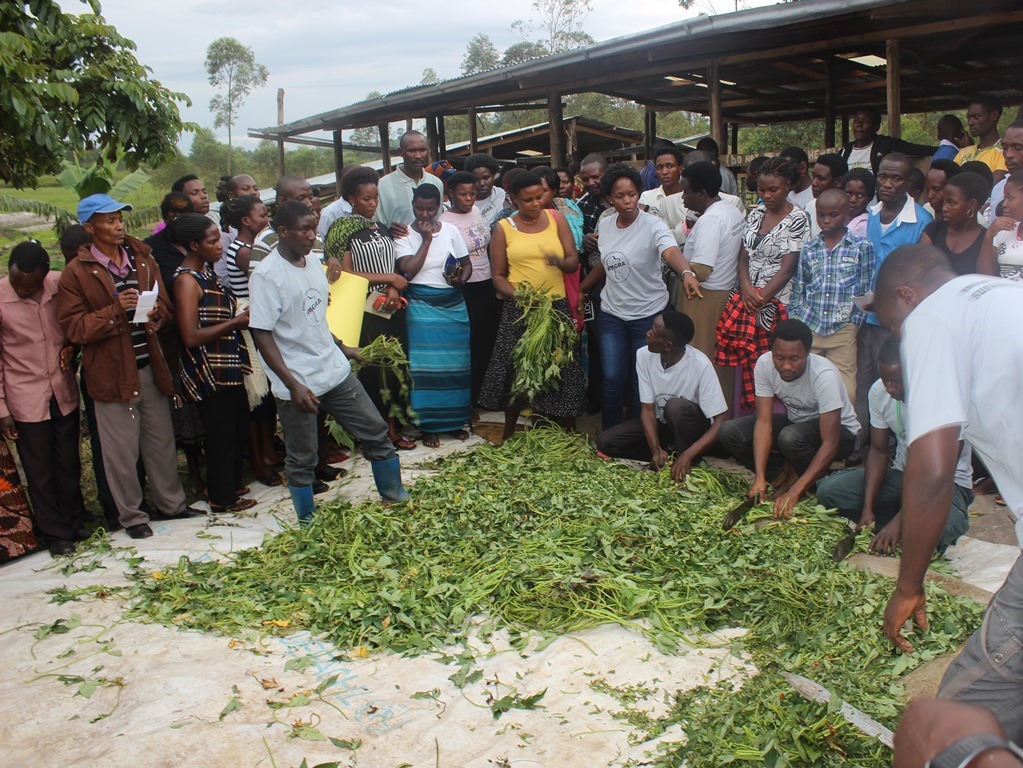
In south western Uganda, we’re partnering with Keirere Green Africa Agency (KEGRA) to help Ugandan smallholders adopt the ‘Forest Garden Approach’, integrating forest tree species with garden and crop systems.
- Africa
Project Results

13
Districts covered
0
VCUs issued
0.8ha
Average plot size
Why this project matters
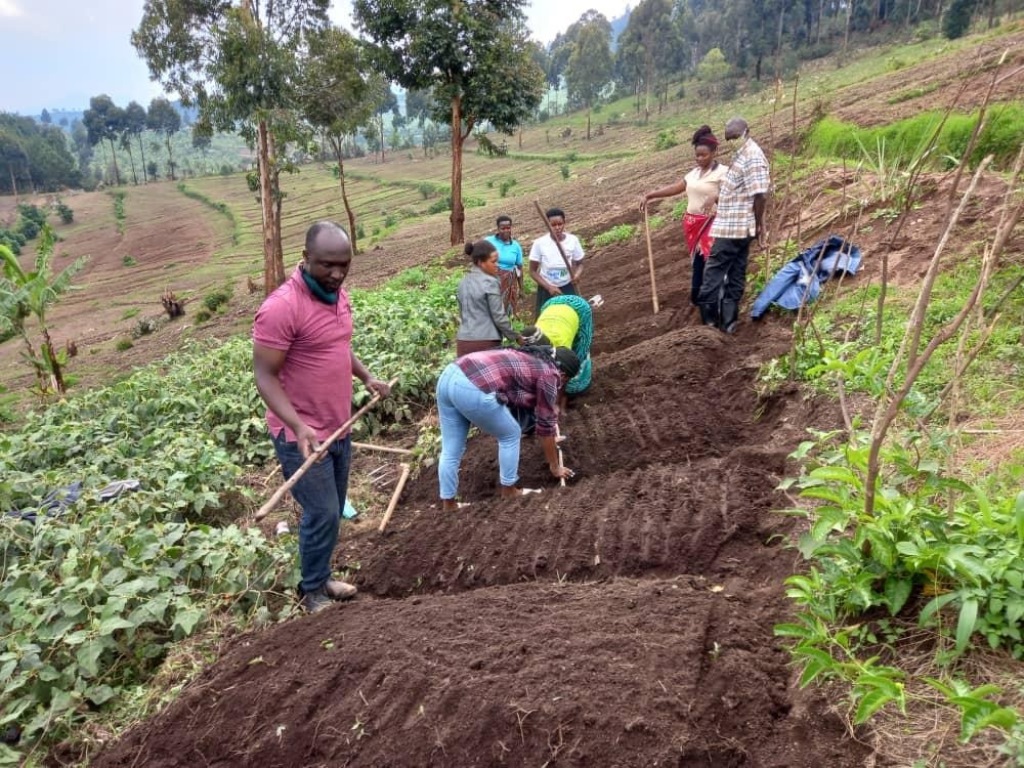
The project region is the home to Banyankore, Bakiga and Batwa smallholder households, who rely on the production of coffee, banana, avocado and tea as their main sources of income. Decades of land clearings and slash-and-burn practices have degraded soil across the region, while land is further strained by Uganda’s high population growth. Many of these farms, including those on the Kigezi highlands’ steep terrain, have little to no tree cover, leaving smallholders with unstable productivity exposed to erosion and landslides
Through KEGRA’s village farming network, established in 2012, our project aims to integrate shade, fruit and medicinal trees into existing farm ecosystems in order to improve soil fertility and resilience to erratic weather, while adding a source of income for seasons when cash crops fall short. The project also aims to improve equality in the region, by including the Batwa–one of Uganda’s most marginalized groups, historically displaced from their forest land—as well as women and youth, which make up roughly 40% of participants, who are given an equal say in how each community’s forest garden is run.
Send us a message
Offset your carbon emissions and join our impact.
Banner image from KEGRA
Page last updated September 18, 2026